Pretty normal day. Beginner class learned about possessive adjectives (this was the second time we’d done this lesson, but the first time they understood it); Advanced class learned about story structure (I use a version of the Dan Harmon story cycle, which he explains here); and Conversation class learned some slang (but I forgot to teach them “bet”, “drip”, and “spill the tea” so we’ll have to continue tomorrow).
9/27/21: Spider Update
Urgent newsroom music plays
It’s been a while since I’ve written about Large Bugs. Rest assured, this is not because there are fewer Bugs, or that the Bugs stopped being Large, but because I got used to them.
I have entered a new stage of coexistence with the spiders.
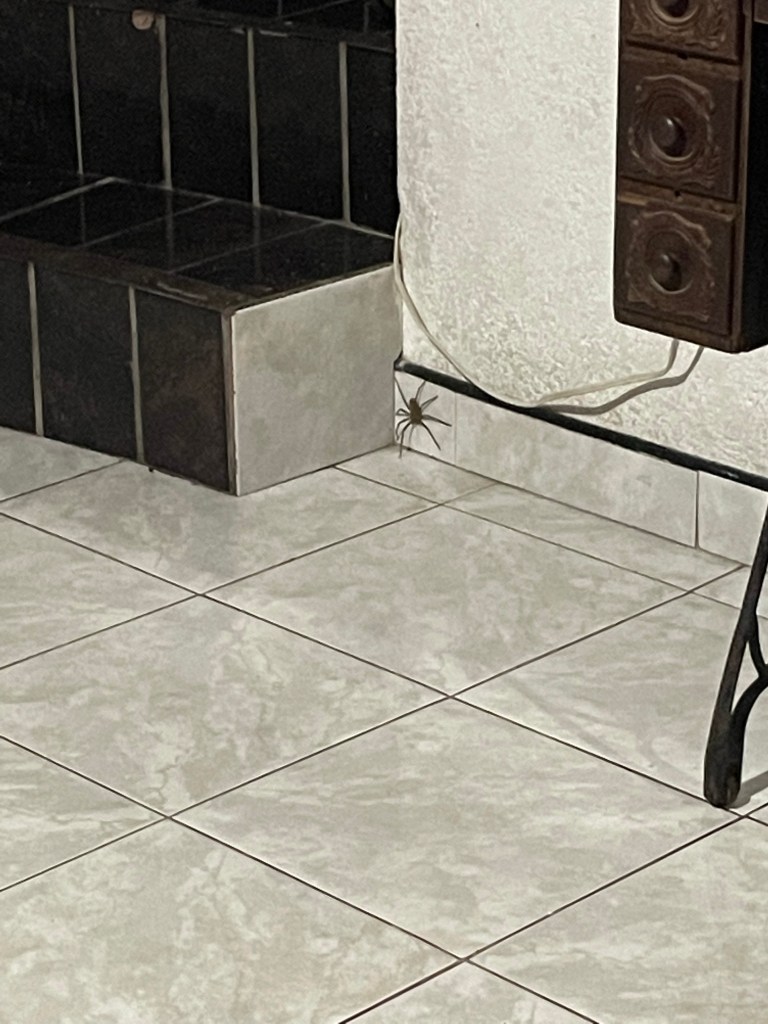
There are (at least) two Really Big Spiders that live in the house. They mostly hang out on the main floor and only come out when it’s dark. I see Them most nights when I go down to fill up my water cup before bed. At first this was very alarming, but I’ve realized that the Big Spiders don’t really move, so you can just walk past Them. They don’t seem to have webs. Maybe They are too big to have a web. Maybe They do have webs but they don’t sit in them at night. If it was a different animal, I’d look up the facts so as to be better informed about the world around me, but in this case, I don’t really feel like it. I accept that the Big Spiders live downstairs and sometimes we hang out together while I eat a late night snack, but I don’t want to think about Them any more than I have to.
Aside: In Spanish, a Big Spider is an Araña Grande, which sounds a lot like Ariana Grande, which makes me laugh every time I think about it.
Despite increased Big-Spider tolerance, the line on cockroaches, has not changed. I saw a cockroach the other day and immediately hit him with the poison gas, causing him to flee. For the most part, I think the repellent has been an effective deterrent. There used to be one every four days or so, now it’s less than one every two weeks. I think what really bothers me is how fast the cockroaches are. The Big Spiders are in more or less the same spot every night and almost never move. But cockroaches crawl, and fly all over, and even when they aren’t moving they still wave their antennae back and forth incessantly. They’re never completely still; always contemplating their next move. I cannot coexist with this.
9/26/21
I woke up pretty late today and spent the rest of my time working, mostly on the plans for my Advanced class. This week we will make our own short films, which may be a bit difficult, given that we are working remotely. Students may have to recruit their siblings for actors. The plan is to have students write their scripts during the week (Tuesday we will have a lesson on story structure, which should be fun) and film over the weekend. My beginner class will learn about school supplies, which is less exciting, but pretty important, and segues nicely into learning possessives. Conversation class will be learning about abbreviations and internet slang, but I haven’t quite figured out how to tie this into a bigger project. I just think it’s something they should know.
9/25/21: Thoughts on Seagulls
I took a day off today and didn’t do much, so here are some thoughts about seagull distributions, as promised.
I’ve been reading (among other things) an ecology textbook I bought at a used bookstore, and I want to share something I read a couple weeks ago, from a chapter on animal distributions. A scientist predicted that among non-territorial animals, differences in habitat fitness (how suitable a habitat is for living) would be perfectly equalized by population density (that is, more individuals will go to the better habitats until they become so crowded that they are no better than the previously less-desirable habitats; as a result, the more plentiful habitats will have more residents and the more barren habitats will have fewer, such that survival and reproduction rates will be evenly balanced in all locations). Sure enough, they found that even though bushy areas were better for seagull to live than the grasslands (because they provide more food and shelter), the population density had been distributed in such a way that the bushy-area seagull and the grassland seagulls each had practically identical numbers of surviving offspring.
Upon reading this, I was awestruck. Initially, I appraised this as a work of genius, but the more I think about it, the beauty here is precisely that this system is dumb as rocks.The entire seagull population acts as a distributed fitness calculator, enacting something similar to a pressure distribution equation, but the seagulls don’t know that they are doing this. Thousands of individuals, each making their own choices based on very limited information have, in aggregate, found the most efficient solution to a huge optimization problem with no guidance, intention, oversight, or outside intervention.
In complexity science, patterns like these are known as emergent properties: higher level orders created by large numbers of simple interactions. Emergent order is a powerful explanatory tool; it provides a philosophical though-line from buyers in a commodity market to neurons in the brain. I’d read about it before, but this particular example with the seagulls hit differently. There’s an exquisite simplicity to it that stuck with me.
At its lowest level, our existence is a seagull distribution. We are nothing more (and nothing less) than a collection of multitudes, blindly reproducing at multiple scales simutaneously. Chemicals bond to conserve energy. Organisms evolve to maximize fitness*. Neurons reroute to minimize uncertainty. Languages develop to increase cooperation. Competitive firms organize to reduce commodity prices. Things that are good at continuing to exist continue existing, and things that aren’t don’t.
Excerpt From the Heart Sutra:
Body is nothing more than emptiness, emptiness is nothing more than body. The body is exactly empty, and emptiness is exactly body. The other four aspects of human existence — feeling, thought, will, and consciousness — are likewise nothing more than emptiness, and emptiness nothing more than they.
All things are empty: Nothing is born, nothing dies, nothing is pure, nothing is stained, nothing increases and nothing decreases. So, in emptiness, there is no body, no feeling, no thought, no will, no consciousness. There are no eyes, no ears, no nose, no tongue, no body, no mind. There is no seeing, no hearing, no smelling, no tasting, no touching, no imagining. There is nothing seen, nor heard, nor smelled, nor tasted, nor touched, nor imagined.
There is no ignorance, and no end to ignorance. There is no old age and death, and no end to old age and death. There is no suffering, no cause of suffering, no end to suffering, no path to follow. There is no attainment of wisdom, and no wisdom to attain.
*(Forgive my teleological language. It was necessary to keep the clauses parallel and brief)
9/24/21
A typical Friday. Breakfast with Tayde and Sherrill, then a long nap, then the regular three classes, then the extra class for the twins in Milwaukee. I’m not going anywhere this weekend, so hopefully I can plan ahead a bit. Lately I have been making my lessons the night before I teach them; it would be good if I was prepared a little farther out. Next week my Beginner class will learn about school supplies and possessives, Advanced class will learn about movies, and Conversation class will learn about recipes. I’ll try to write another long post tomorrow (maybe about seagulls), but right now I’m really tired, so this is all you get for today.
9/23/21
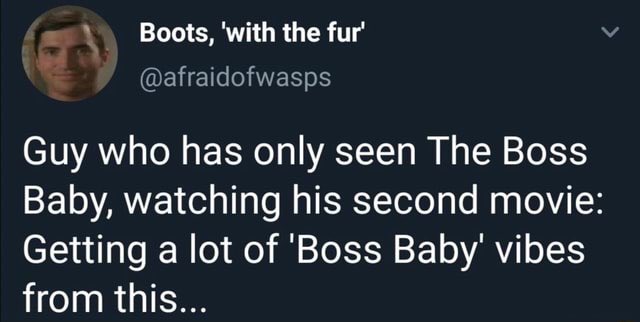
Nothing extraordinary happened today, so here’s a review of one of the books I finished back in August, Teach Like a Pirate by Dave Burgess, lent to me by Sherrill. This was only the second book I’ve read about pedagogy, so I have no choice but to compare it with Paulo Freire’s Pedagogy of the Oppressed (a very different approach). In doing so, I’ll be committing a bit of a Boss Baby fallacy, be hopefully something useful can be reached.
Teach like a Pirate is mostly a book about performance. There is surprisingly little information about pirates (turns out it’s an acronym). Burgess is concerned with how to engage students, and his answer is (in short) to treat the classroom as a circus (a comparison he himself makes). The teacher performs in a high-energy, ultra-entertaining manner, and the student will be so enthralled that they’ll learn on accident. Alongside the performances are a number of wacky games and activities, which I think probably represent his work at its best. Studies on neuroplasticity have found that people learn best when their brain is forced to make new connections, ie mixing multiple modes of sensory information and motor activity. Burgess suggests that most teachers who fail do so because they are boring; young people have many things competing for their attention, and teachers must rise to the occasion by making classes more fun and entertaining.
I have no doubt that Burgess is an effective teacher, but I felt the book was lacking in terms of underlying theory. It provides an engaging how-to, without examining questions of why or what, ie, What is the goal of education? What is the role of the teacher and the student? How should classes be structured so as to achieve this goal?
Paulo Freire was a different kind of educator. A Christian and a Marxist, Freire’s educational praxis was underpinned by explicitly political aims. He rose to prominence for his creation of cultural circles, a sort of democratic classroom, where adult farmhands were taught to read. When his methodology was being developed, literacy was still a legal requirement to vote in Brazil; thus, for Freire, the political character of education was unquestionable and obvious. He was imprisoned, and lated exiled from Brazil following the 1964 military coup (backed by the US government) which overthrew the previous, democratically-elected government .
Pedagogy of the Oppressed, his most famous book, was written in Bolivia and published in 1968. It is more a work of political theory than an educational manual, and seeks to bridge the divide between the oppressors and oppressed of society through education. Freire criticized what he calls the “banking model of education”, where students are treated as piggy banks, to be filled up with facts, in the hopes that some of those facts may one day accrue interest and give birth to new facts. This model, he argues, reinforces old hierarchies of oppression. Students learn that knowledge is a gift, generously handed down from those who have more, and it is the role of the student to shut up and pay attention. This cultivates a feeling of helplessness, detachment, and alienation, because the students are not part of the knowledge-production process. Freire’s alternative is the “problem-posing model”, a classroom based on dialogue and discussion, in which the students and teachers collaborate to explore themes and search for answers to collective problems. Knowledge is not purely the domain of the teacher, but also the student, and by sharing their knowledges in dialogue, the two work together in the production of new knowledge, thereby empowering the student. Students who see themselves as part of the knowledge-production process learn to take pride in their creativity, connect the classroom with outside experience, and seek solutions to the problems of the world around them.
Freire makes no reference to curriculum and shies away from specific examples. For him, all this should be shaped by the particular circumstances and desires of the locality. This is both a strength and a weakness; while Pedagogy of the Oppressed provides an excellent theory for empowerment through education, it gives almost nothing in terms of concrete examples to work from.
Teach like a Pirate provides a way of engaging students, but occasionally, it seems like Burgess, a history teacher, prefers to hand down ‘the facts’ from on high, teaching history for its own sake, rather presenting it as a tool for students to use. Pedagogy of the Oppressed lays out interesting ideas about education, but in its radicalness, it can be difficult to envision in practice.
To take the best of both in my own work means engaging students on their own terms. I try to approach English-learning not as a practice in itself, but as a medium for discussing other topics. We learn English so we can bridge the knowledge gap between us. Grammar and vocabulary are tools which allow us to share thoughts with greater precision. I am lucky (although it does create a lot of extra work) in that my classes do not have a very strict curriculum. There are some grammar things that I must teach, but otherwise, I try to let the students guide our topics of study and discussion, and create situations in which they are involved in the process of creating and sharing knowledge. If we ever get a chance to work in person, I would like to incorporate more role-playing activities, so that students can move beyond just discussing ideas to actually embody and act them out. As it stands now, I teach via Zoom, mostly using PowerPoints, and I fear I often lapse into the banking model, lecturing rather than discussing. In part, I blame the medium; Zoom is good for lecturing, but difficult for creative collaboration. But beyond this, it is difficult to break away from the banking model because it is so ingrained in the American educational system, and by extension, my own experiences. Envisioning a more empowering form of education is hard, and putting it into practice is even harder, so I fall back on what is easy and familiar. Especially when kids are hesitant to participate. I think my biggest takeaway from Teach like a Pirate was that, if you want kids to be excited, you have to be excited first. If you want them to open up, you have to open up first. And I’m not yet fully confident in what I’m doing, so my students will reflect that. I’ve gotten somewhat comfortable planning a certain type of mildly-successful lesson, which means it’s time to start interrogating my methods, to keep what works and scrap what doesn’t. I have a lot of freedom over my work here, and I want to make the most of it, for my sake and the students’.
“A concept is a brick. It can be used to build a courthouse of reason. Or it can be thrown through the window.” – Gilles Deleuze
9/22/21
A pretty regular day. There are so many Spanish verb tenses. I don’t know how I’ll ever keep track. My Beginner class has been very enthusiastic learning about animals, but the Advanced class seemed pretty bored talking about religion in different countries (which I find fascinating). Tomorrow we’ll talk about food and dress around the world. I have been watching a series of lectures on physics, and I made it all the way to episode five (of twenty-four) before things became unintelligible. Later, I ate some disappointing chocolate, only to double-check the wrapper and find out it was actually “cocoa candy”.
9/21/21: Do you remember?
Today was a good day, but five minutes before my last class ended, the power went out, and I had to run home through ankle-deep rain. The power is back, but the internet isn’t so I’m keeping things short tonight, as my data is limited. I’ll have to finish up my lesson plans tomorrow morning.
9/21/21
I woke up before my alarm today, feeling mildly refreshed, which is a first. Spanish class was a bit rough (I had started feeling good about my speaking skills because I was able to talk my way through a bunch of small interactions in San Cristobal, but as soon as I got back to the complex verb tenses, things were hard again. In general, my days cycle between feeling super excited because I’m learning so much, and feeling dumb as shit because there’s so much I still don’t understand). Afternoon classes went well. My beginner class is learning about animals, so we drew lots of pictures and talked about which animals were our favorites; Advanced class is all about geography this week; and in Conversation class we read an article about the pros and cons of space tourism. In all, a fun day of classes.
Afterwards I cooked up some eggs and spoke with a friend for like two hours on the phone. We hadn’t talked in a while, and it was really nice to catch up.
I think my mental stamina has been improving; these last few days of class, I haven’t feel quite as braindead when I got home. Hopefully this trend continues. I have way more books to read now, so I need all the focus I can get.
9/19/21
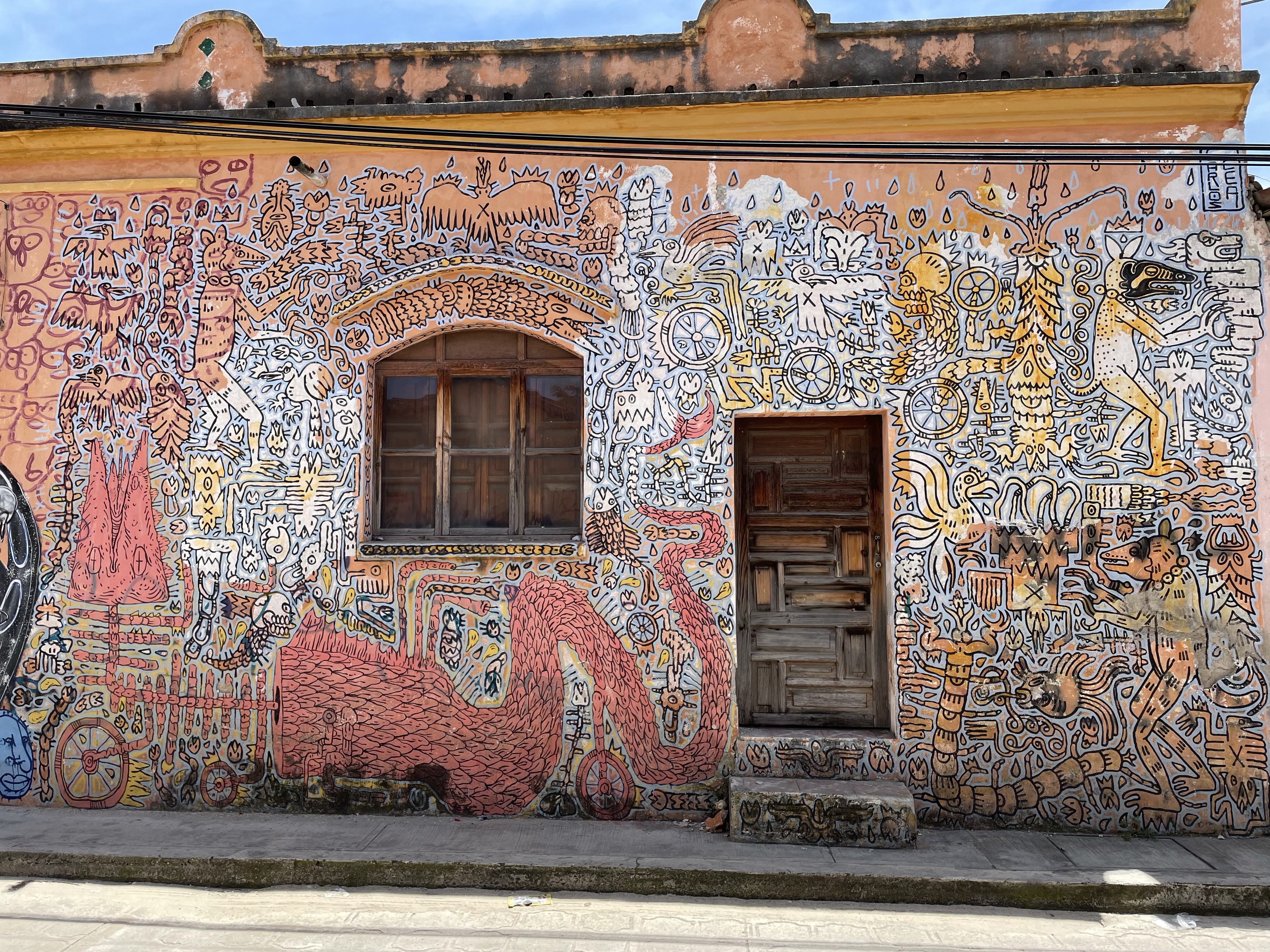
I woke up around noon and headed out to explore the city. Yesterday I was told that San Cristobal was a city with lots of hippy tourists, and this was definitely the case. It is city where Deepak Chopra and Charles Bukowski inhabit every bookstand and a dreadlocked drummer sits on every street. The influence of the indigenous Chiapan population is also remains present, albeit commodified by trinket-vendors and park-performers. San Cristobal came to global prominence with the Zapatista Uprising of 1994 and the anti-globalization movements of the later 90’s, but ironically this demand for autonomy seems to have shifted them to a more central, albeit counter-cultural, node in the global economy. In resisting the centralized power of the Mexican state, will the international tourism market become San Cristobal’s new master? All of this is not to say I have a negative experience. Quite the opposite; I had a great time and intend to return soon. San Cristobal is a fantastic city to be a tourist in. It seems to be a hub for all manner of interesting travelers, in much the same way I imagine Tangier in the 50’s. But I have to wonder if this was what people wanted when they took up arms in 1994. The girl I spoke with last night grew up in Tulum, a coastal city on the other side of the Yucatan where rich people go to do drugs and party naked on the beach. The picture she painted of her hometown was interesting and often comical, but I have to imagine that being a local in such a place would be an alienating experience, and it seems San Cristobal may be slowly headed down a similar path.
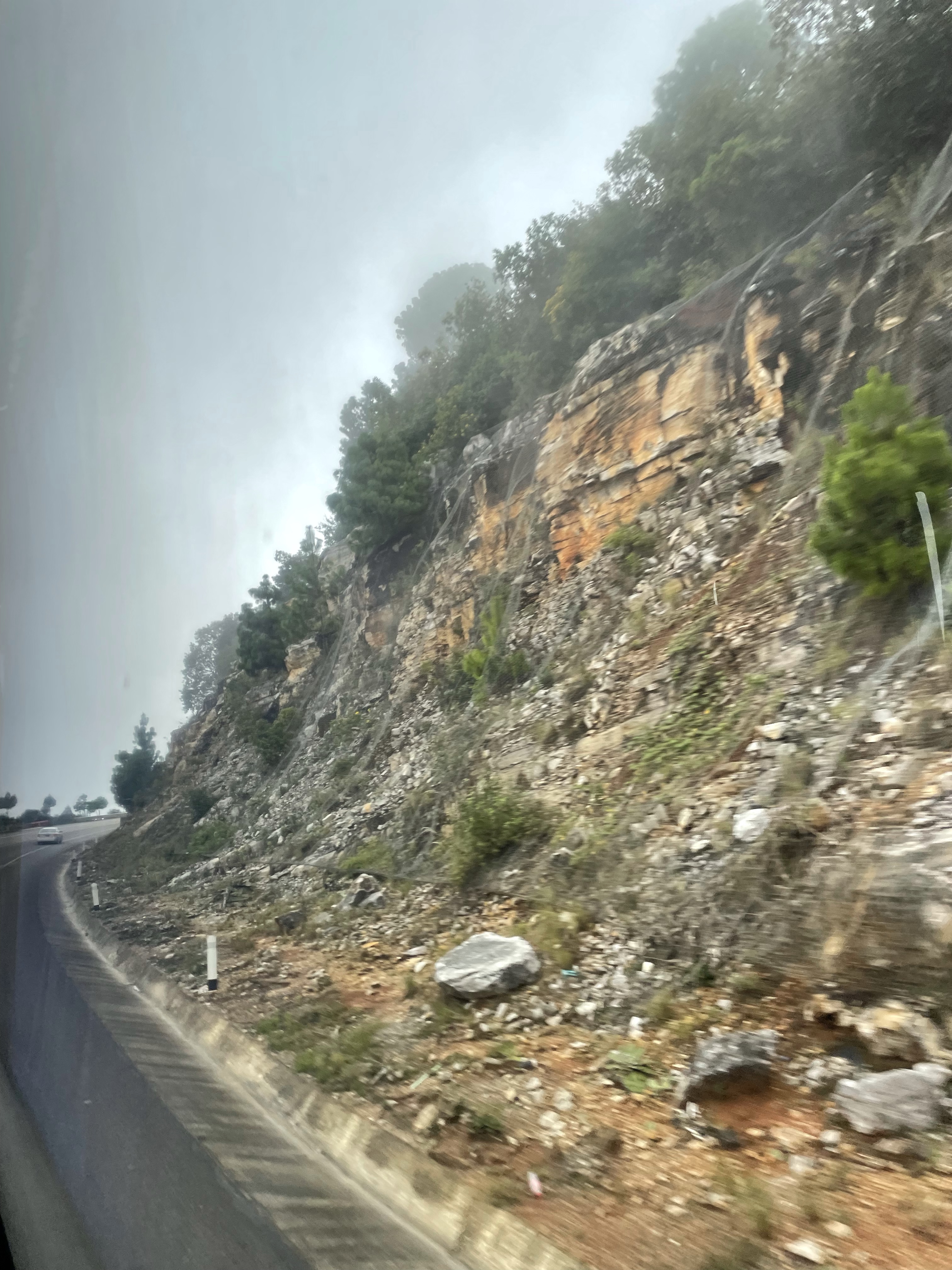
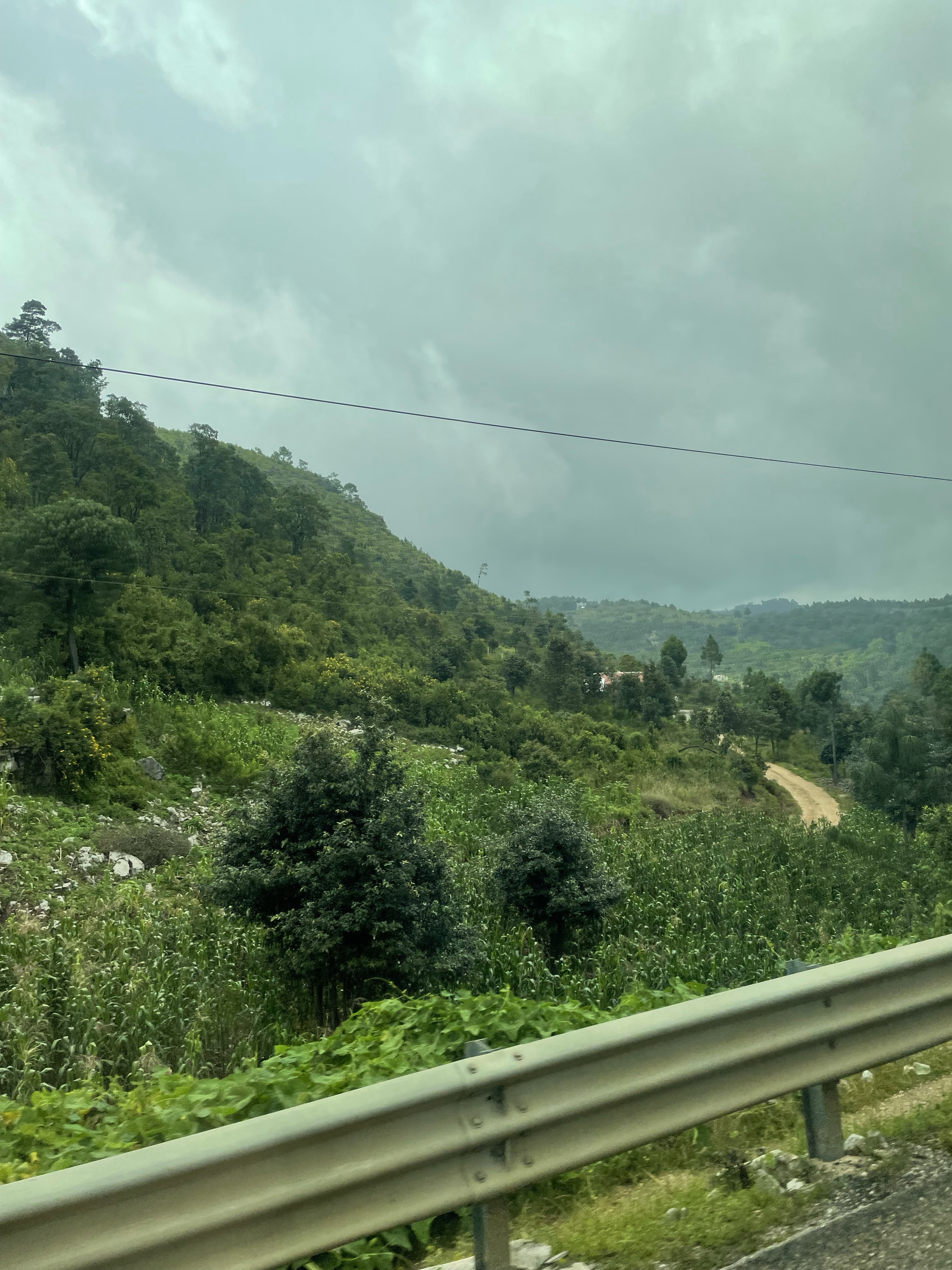
The bus ride home was beautiful. San Cristobal sits in the mountains, where hills rise in every direction and disappear into the fog of the cloud forest before you can see the peaks.
In the evening, upon return, I called up my friend who studied stats and we took a look at the media mention data I had collected. Preliminary results say population is a better indicator of media mentions than GDP, but this is possibly because GDP distribution is more exponential than linear and the program I’m using can only check linear regression. I’m going to keep playing around with the data sets, but at this point it seems unlikely that any publishable research will follow. Regression analysis is “more of an art than I science”, I was told, and I remain a novice in the field.
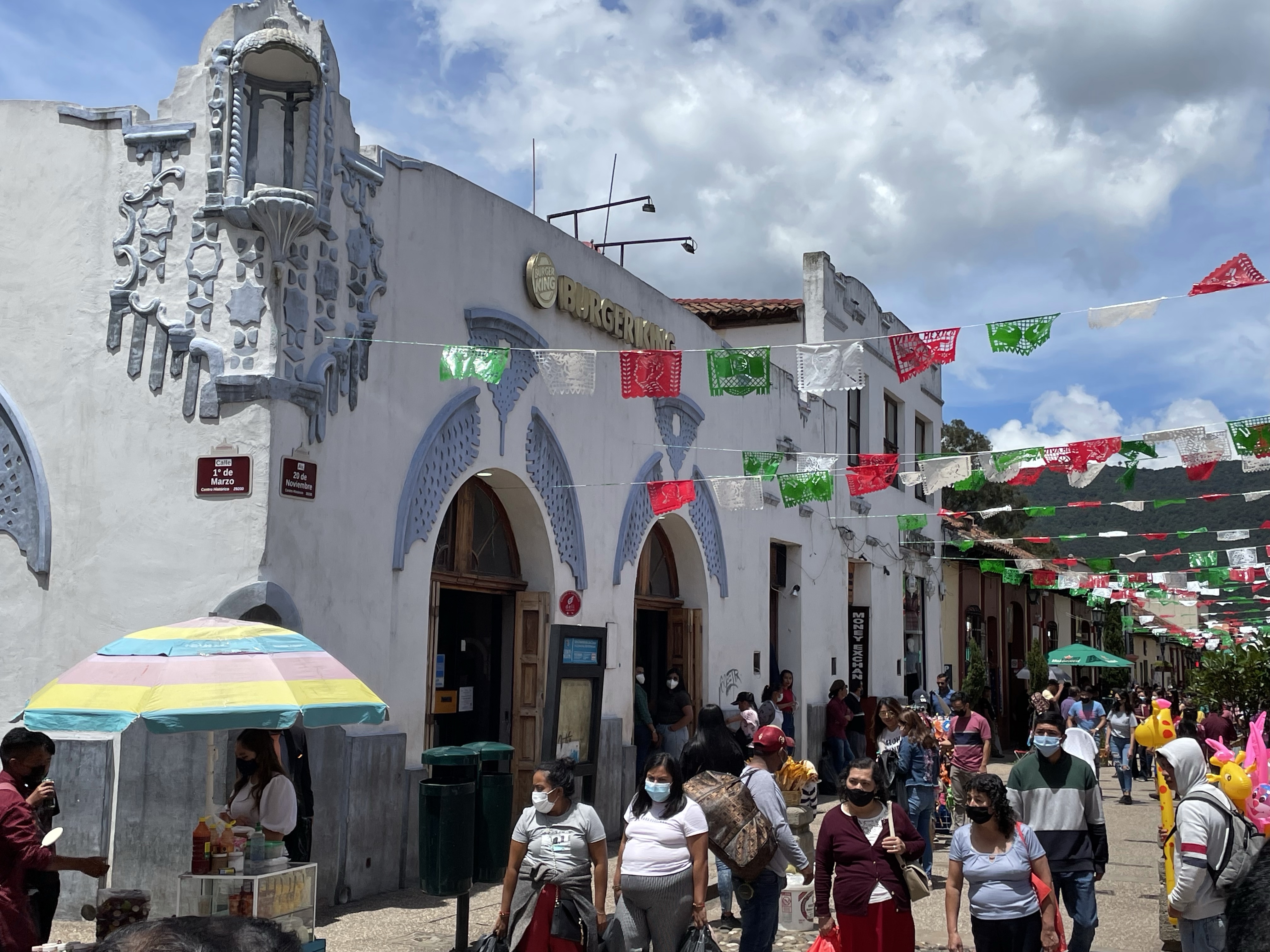
Burger King 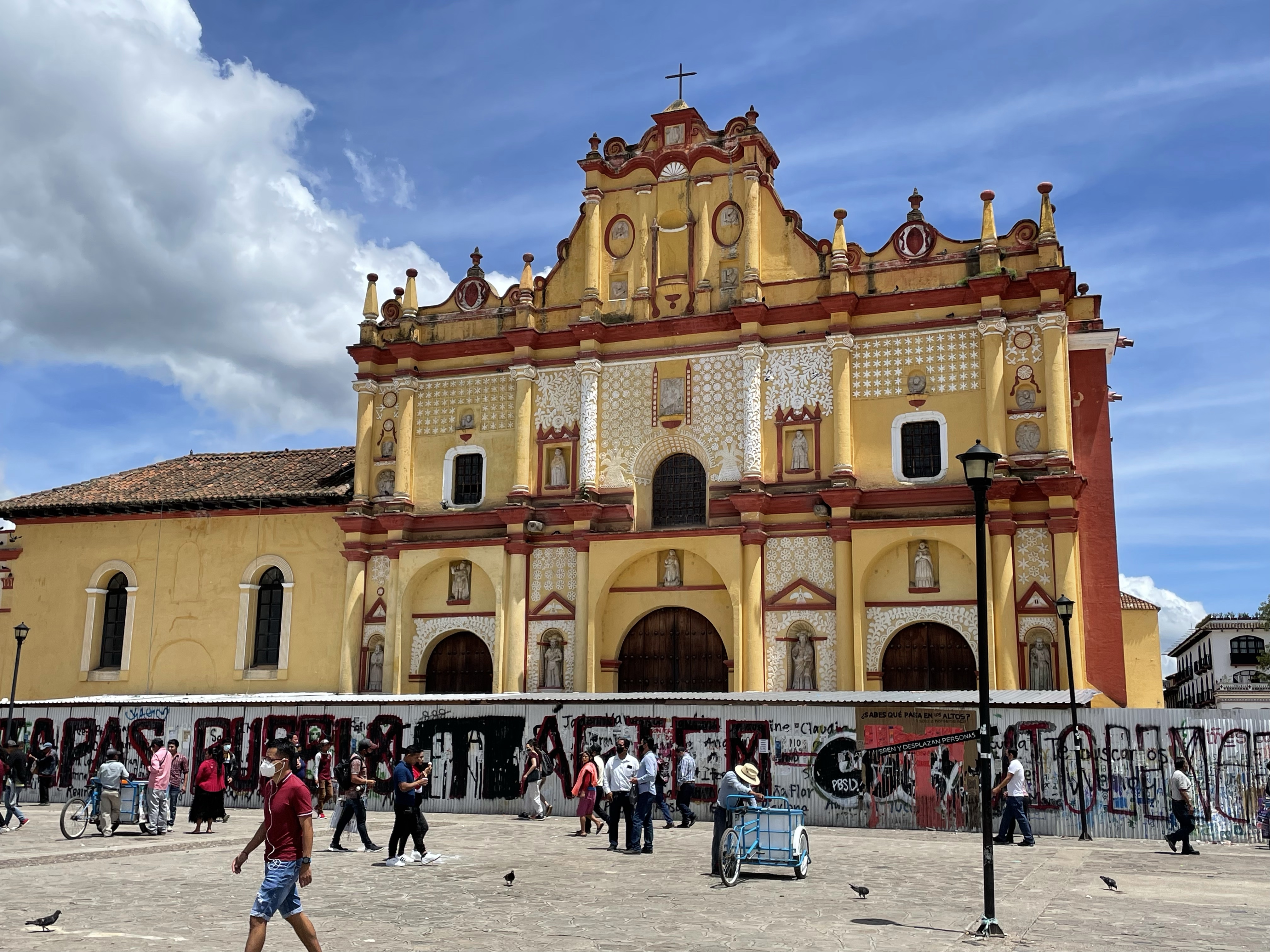
 AdamFendos.blog