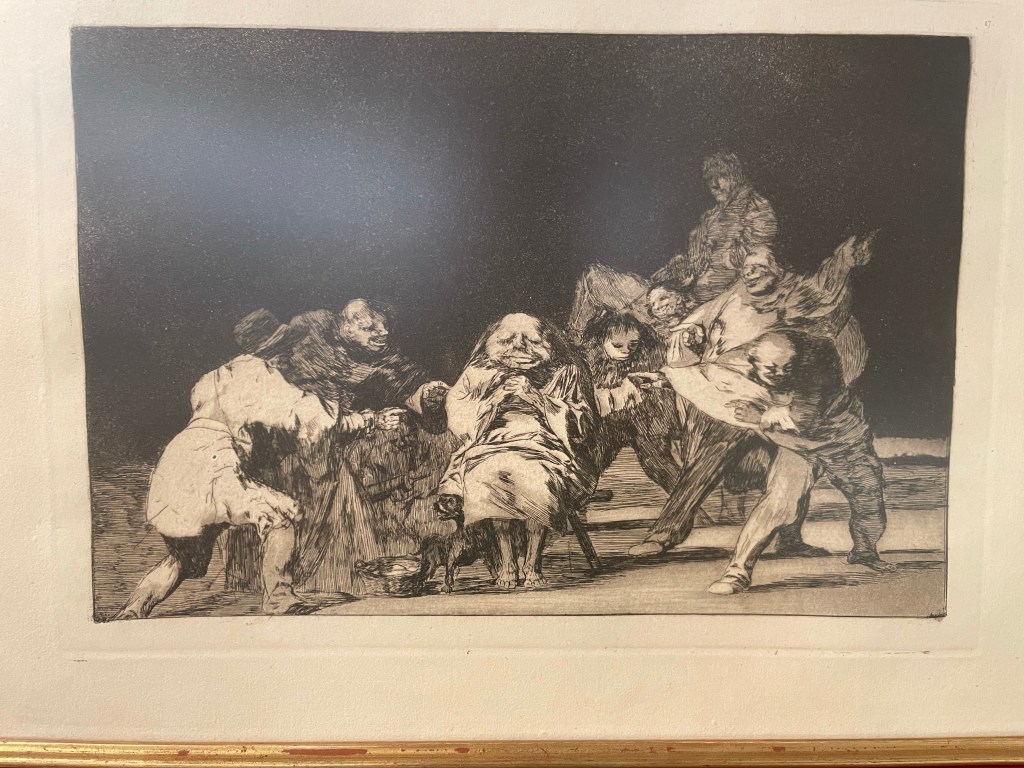
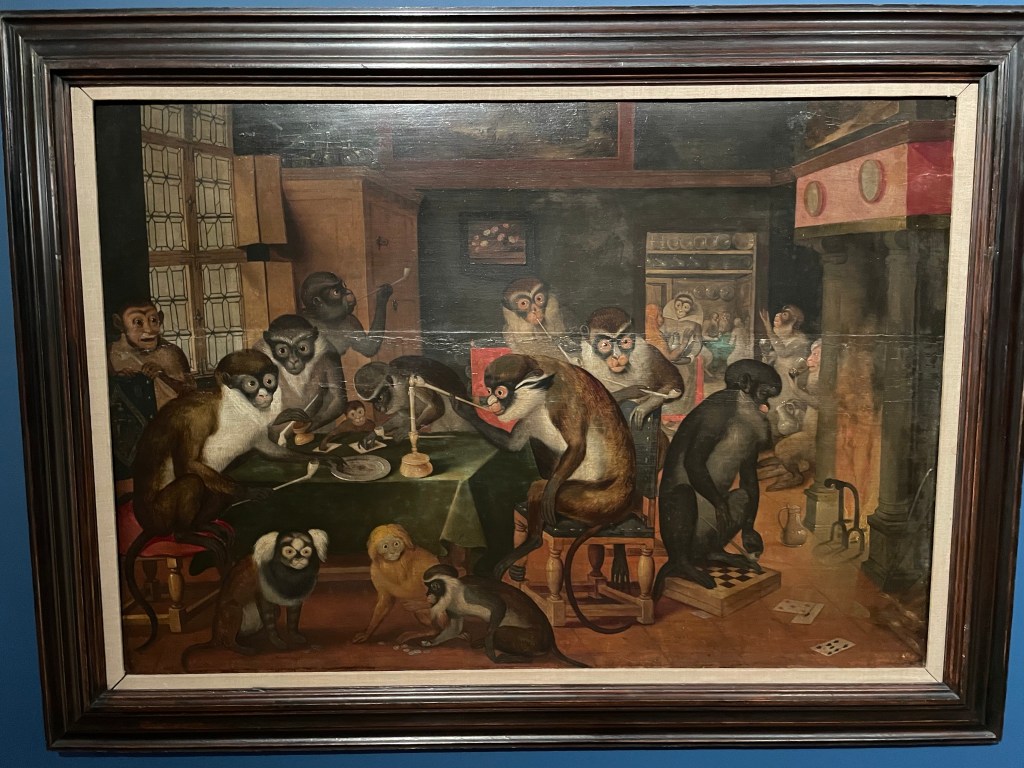
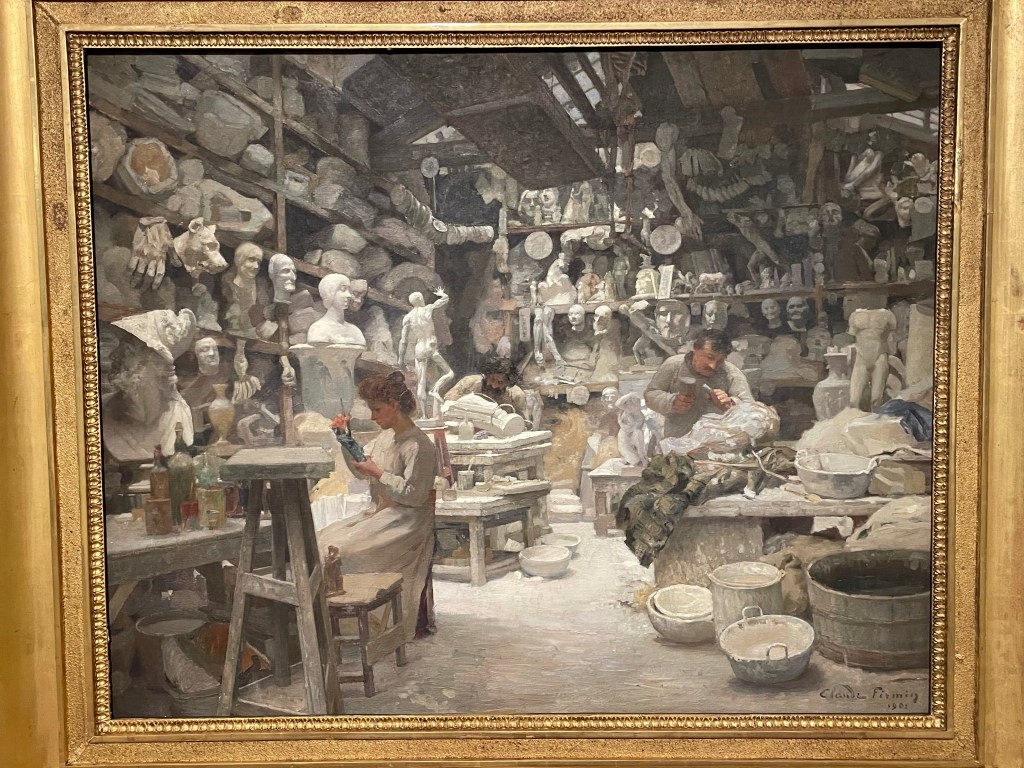
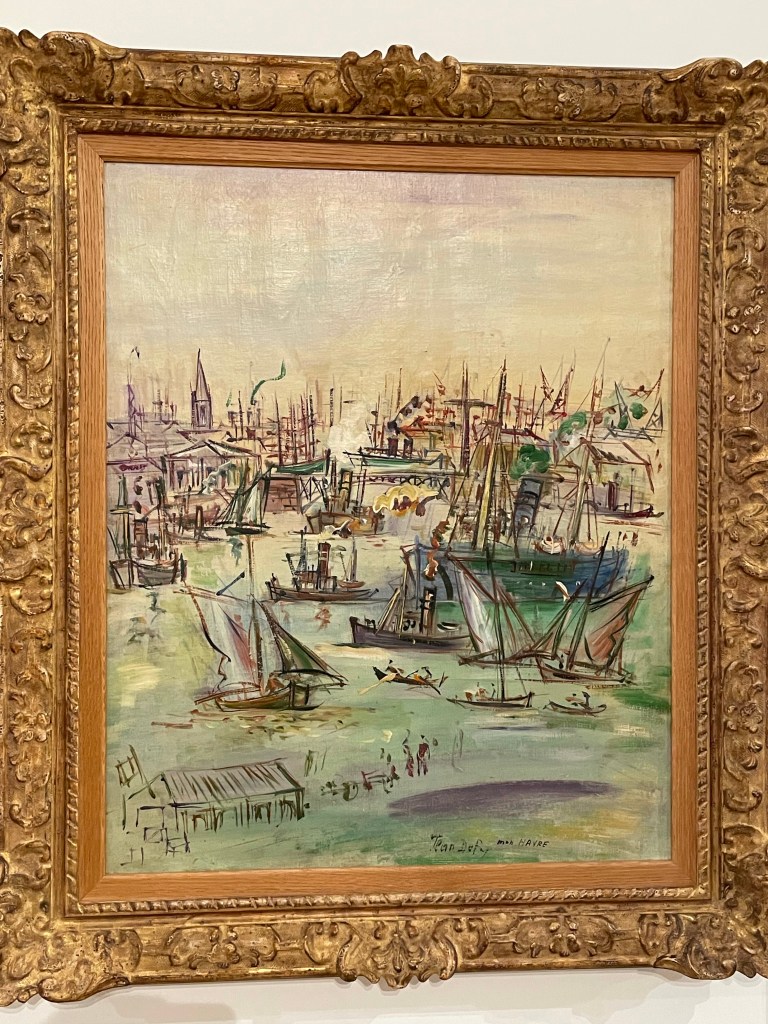
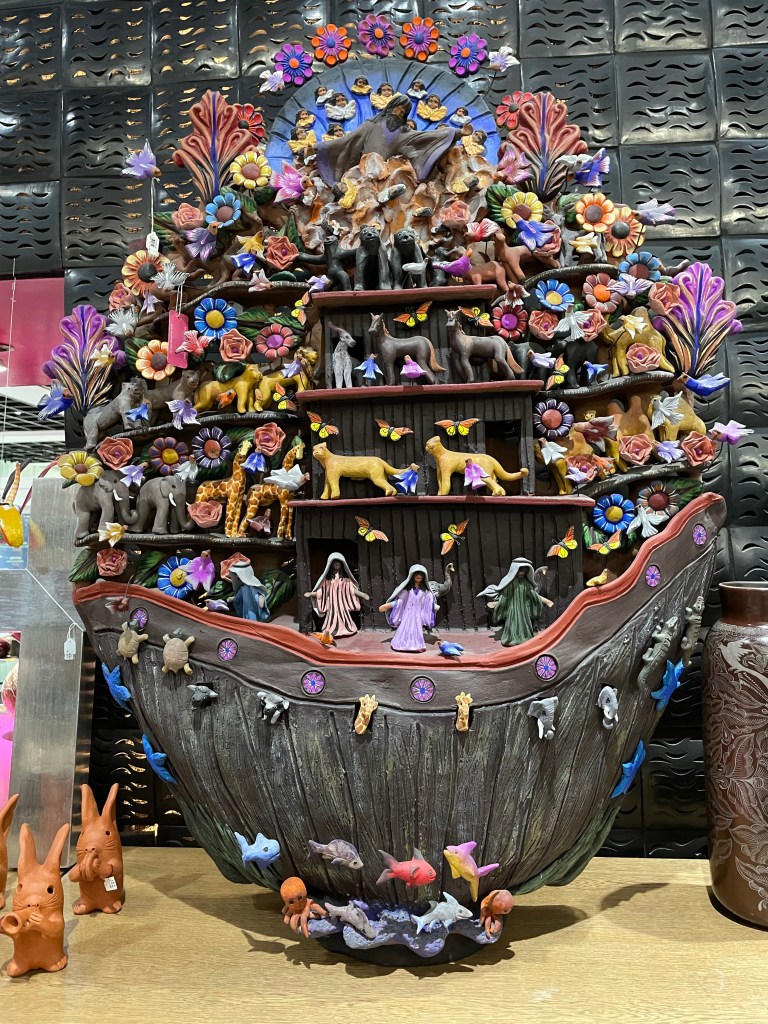
A return to normal. Below are pictures from 11/1 and 11/2.


A blog by Adam Fendos
A return to normal. Below are pictures from 11/1 and 11/2.
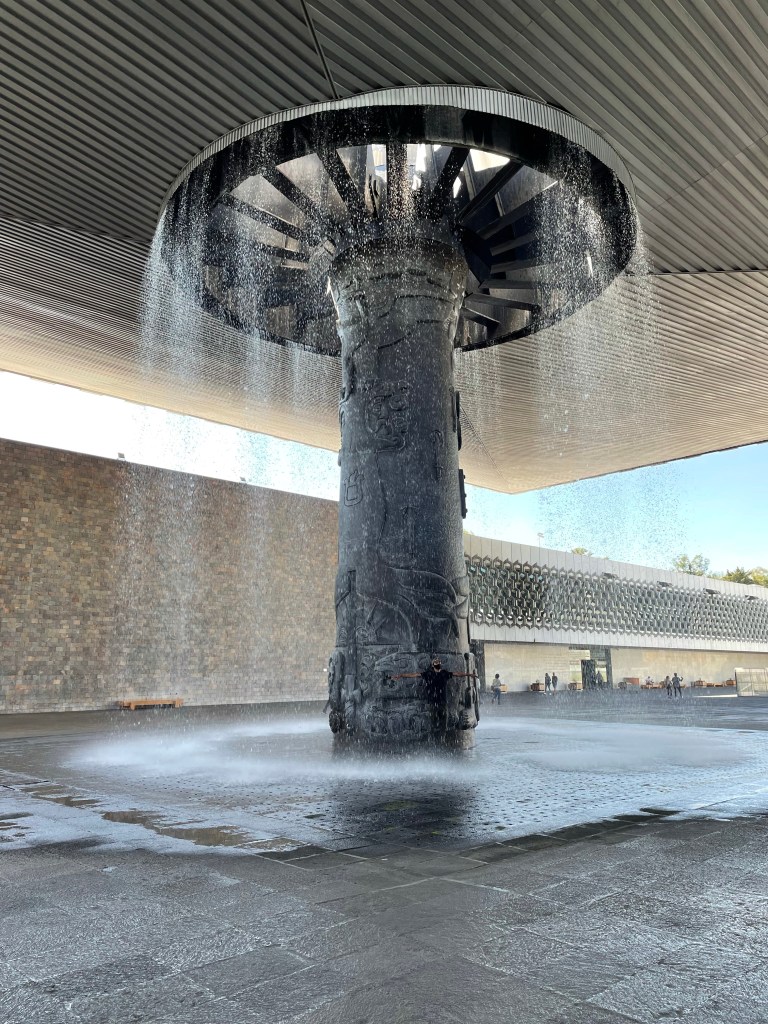
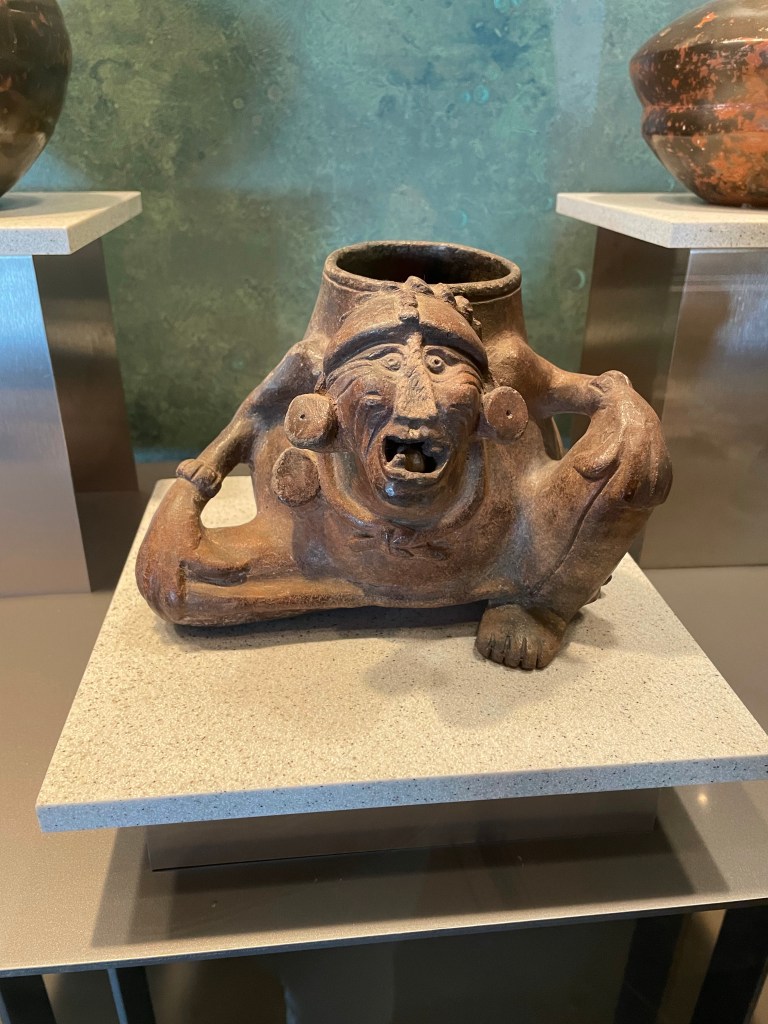
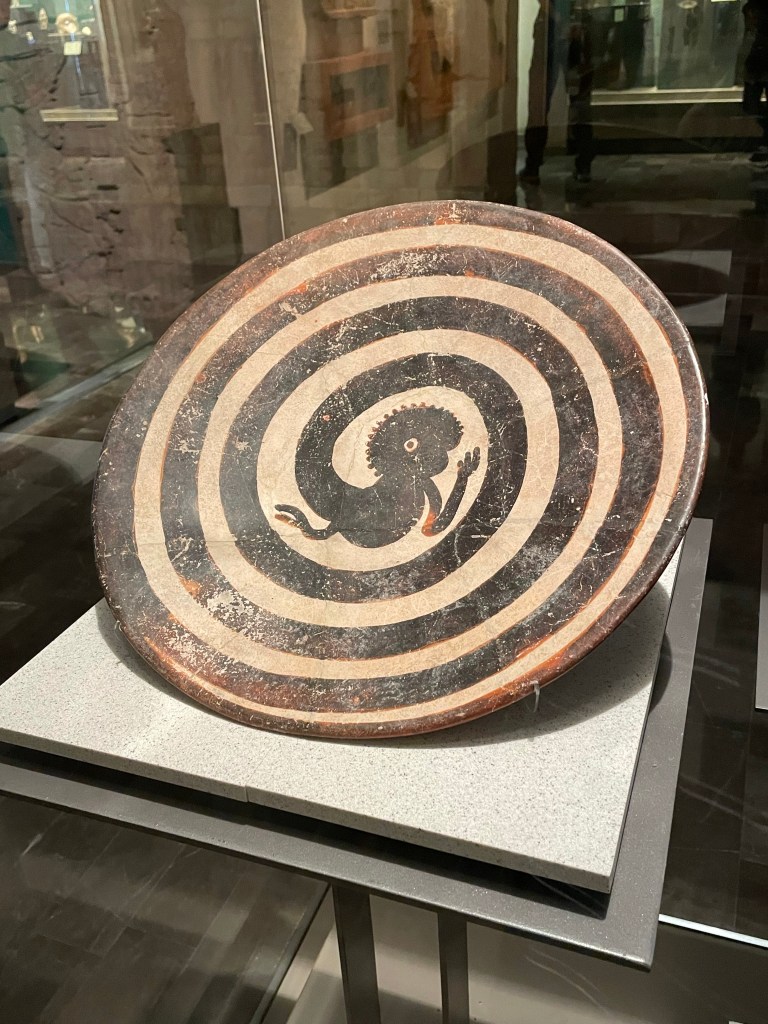
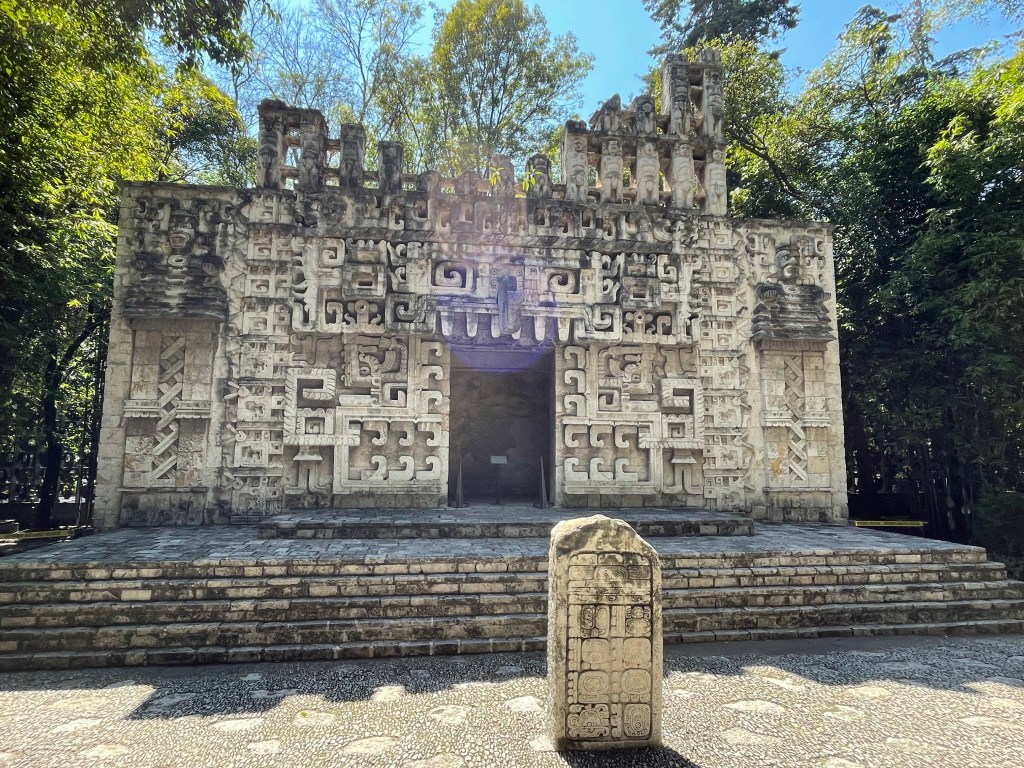
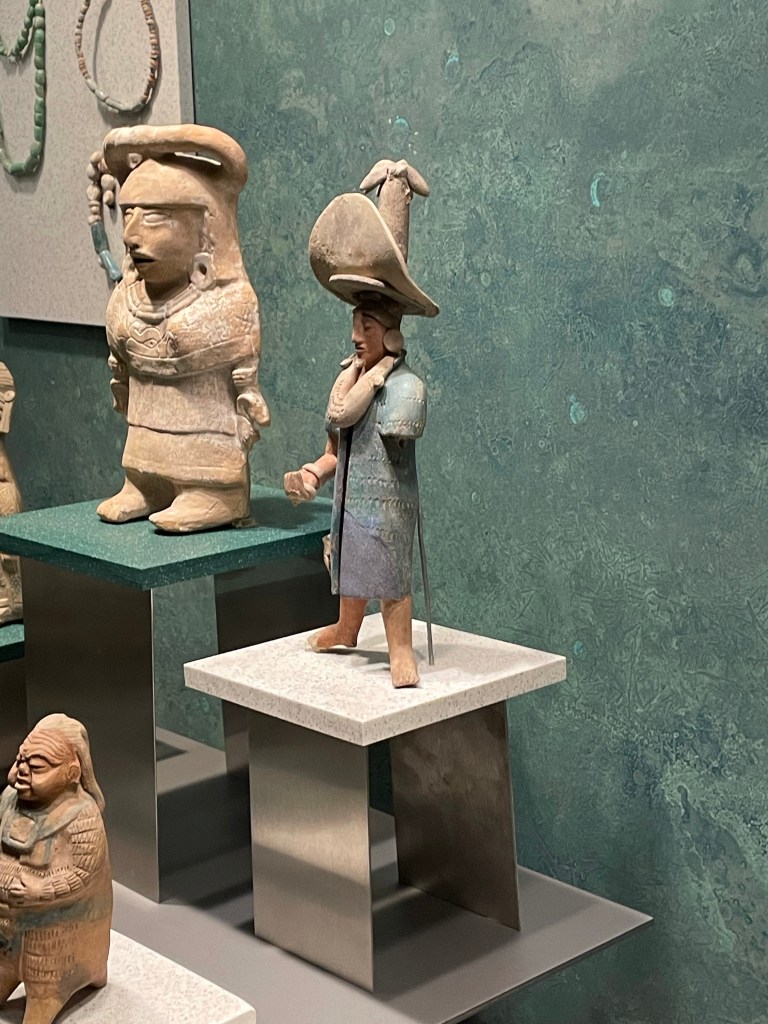
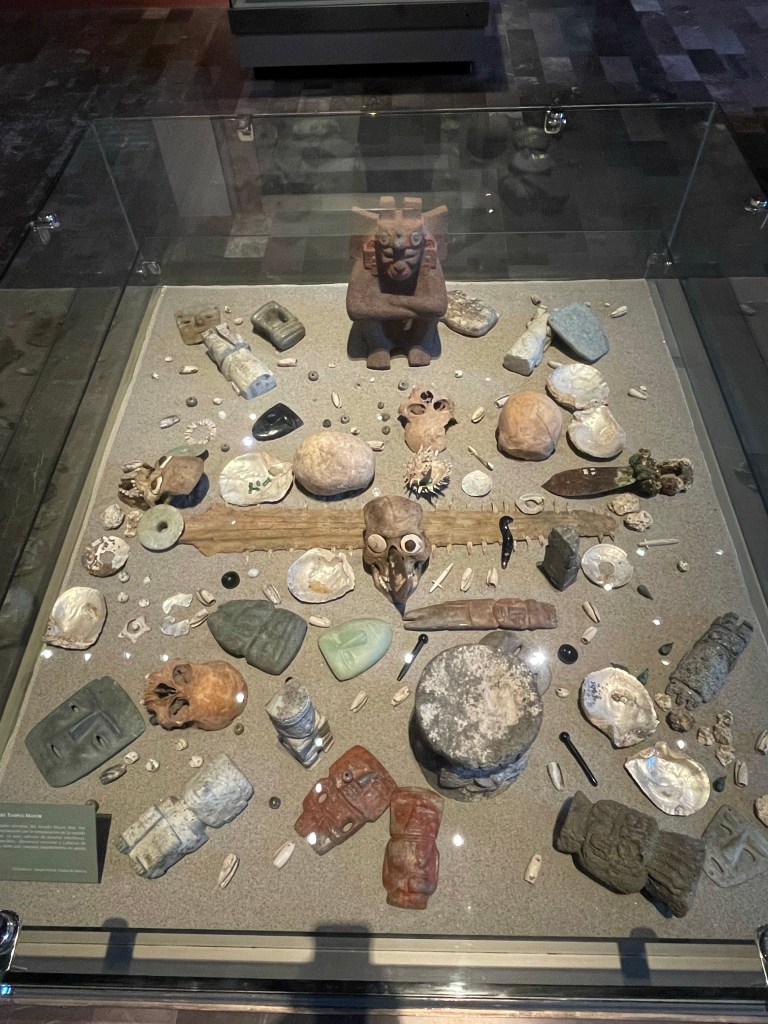
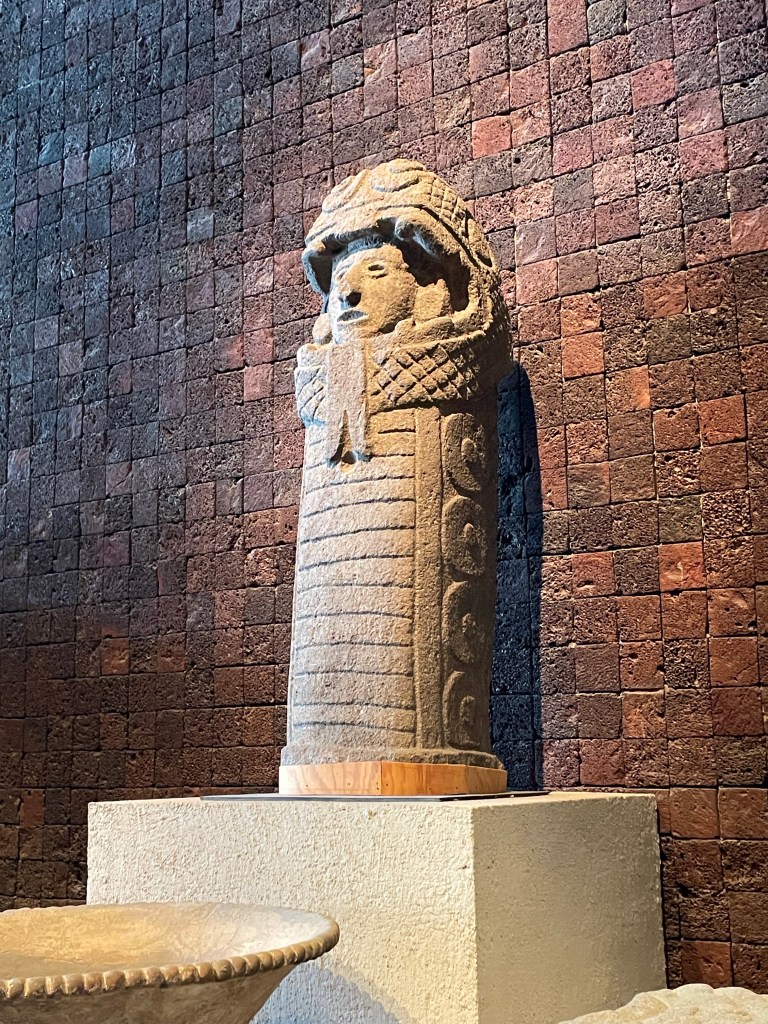
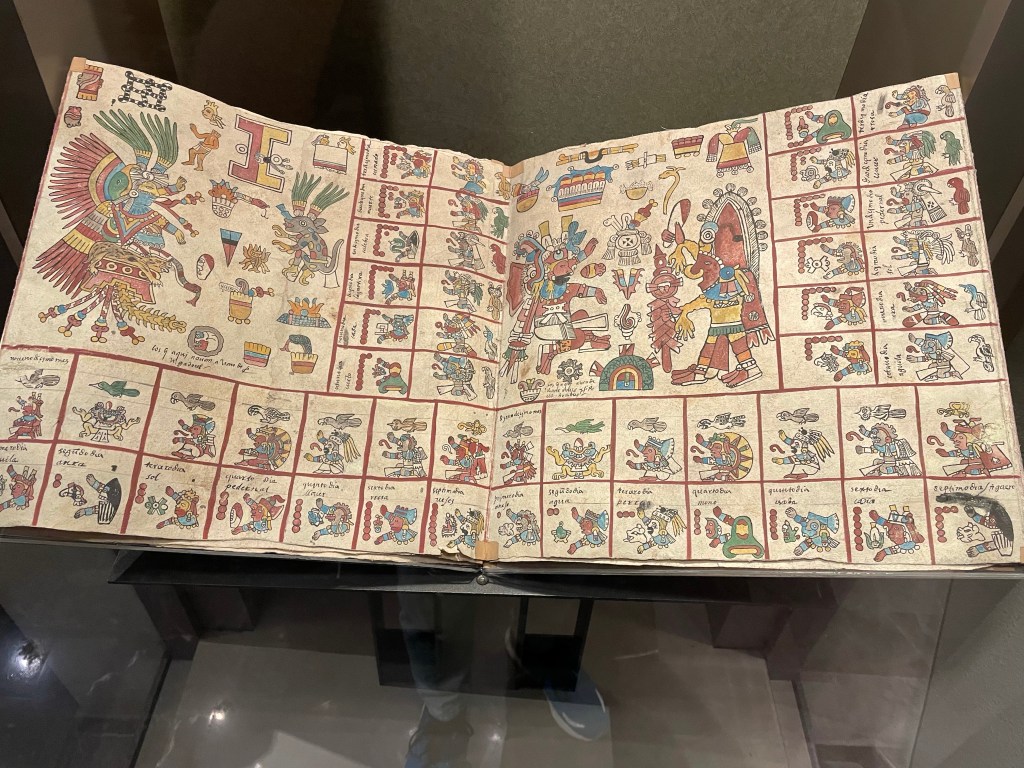
I woke up early to get to the Museum of Anthropology, then waited in line for more than an hour. Upon entering, I immediately realized that the Museum of Anthropology was far too big for me to explore it in just one day; their collection includes pieces from pre-Colombian all across Mexico, covering thousands of years. I needed to leave for the airport by 3:30 and still wanted to see the Palace of Fine Arts, so I limited myself to the part of the museum dedicated to the Maya. I walked away from the museum with that overwhelming feeling you get when you realize that your estimate of how much you know about the world was a gross overestimate. Most of the history I’ve studied has focused on the past two centuries in North America, Europe, and Asia. There’s so much more to learn.
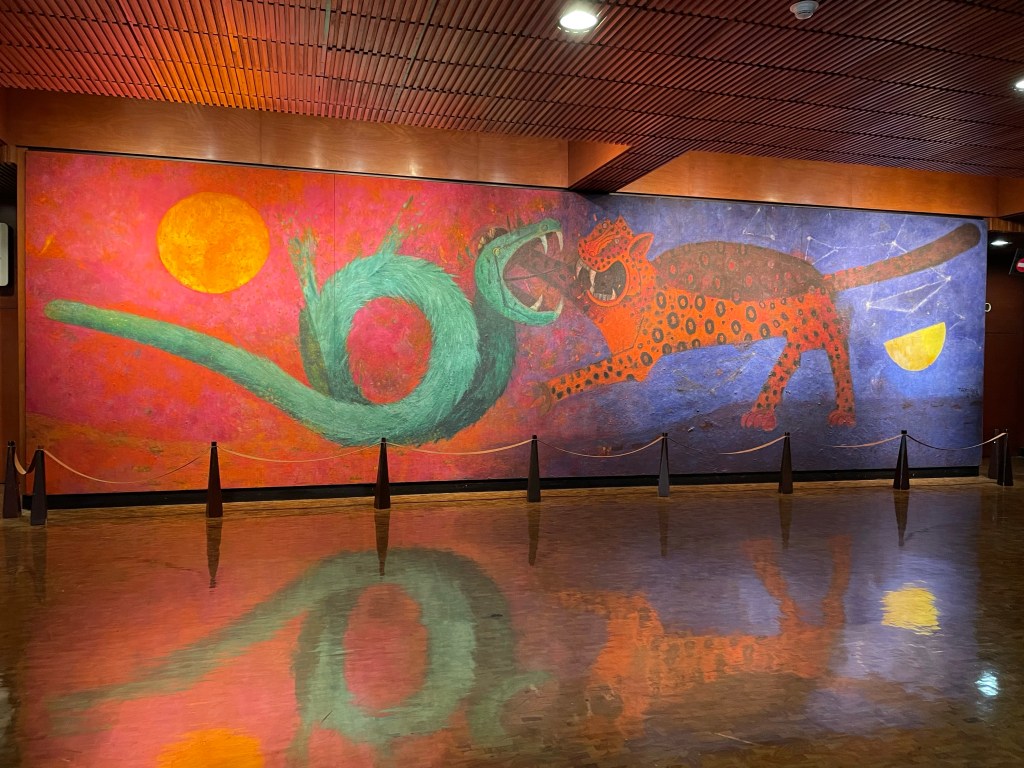
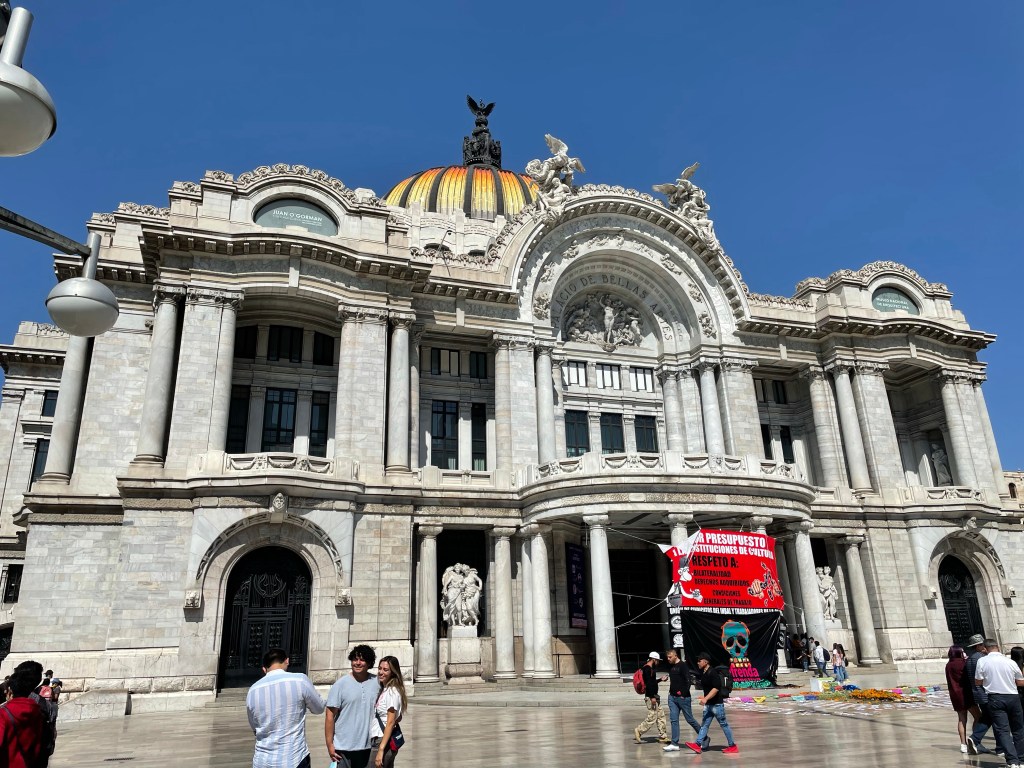
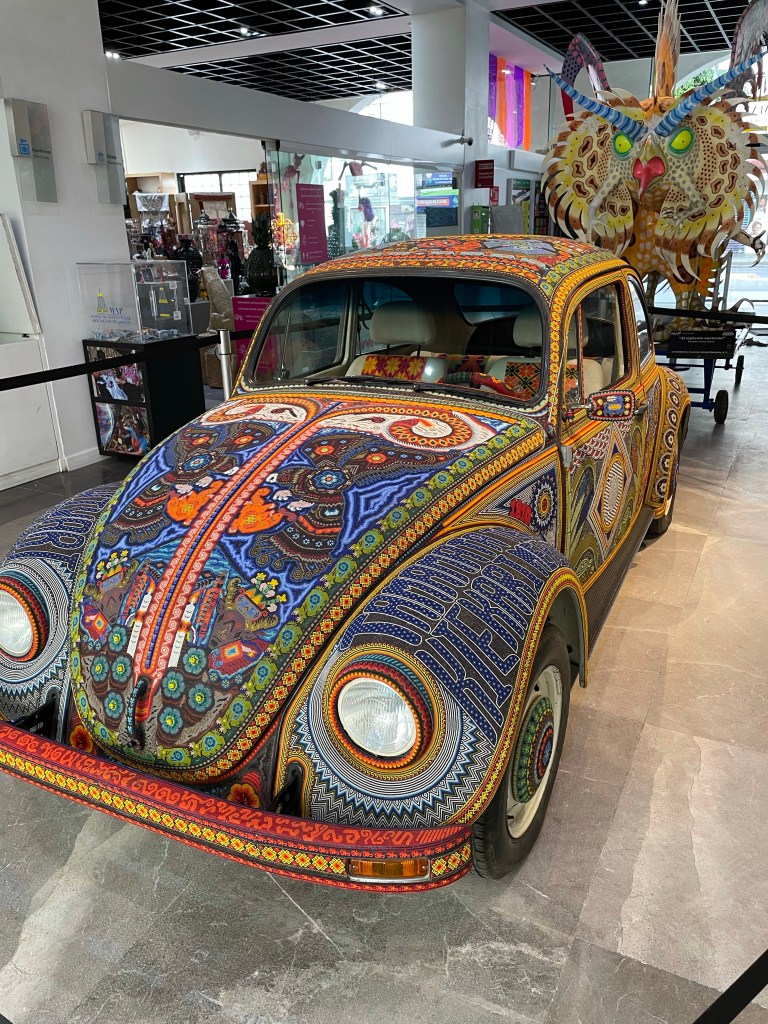
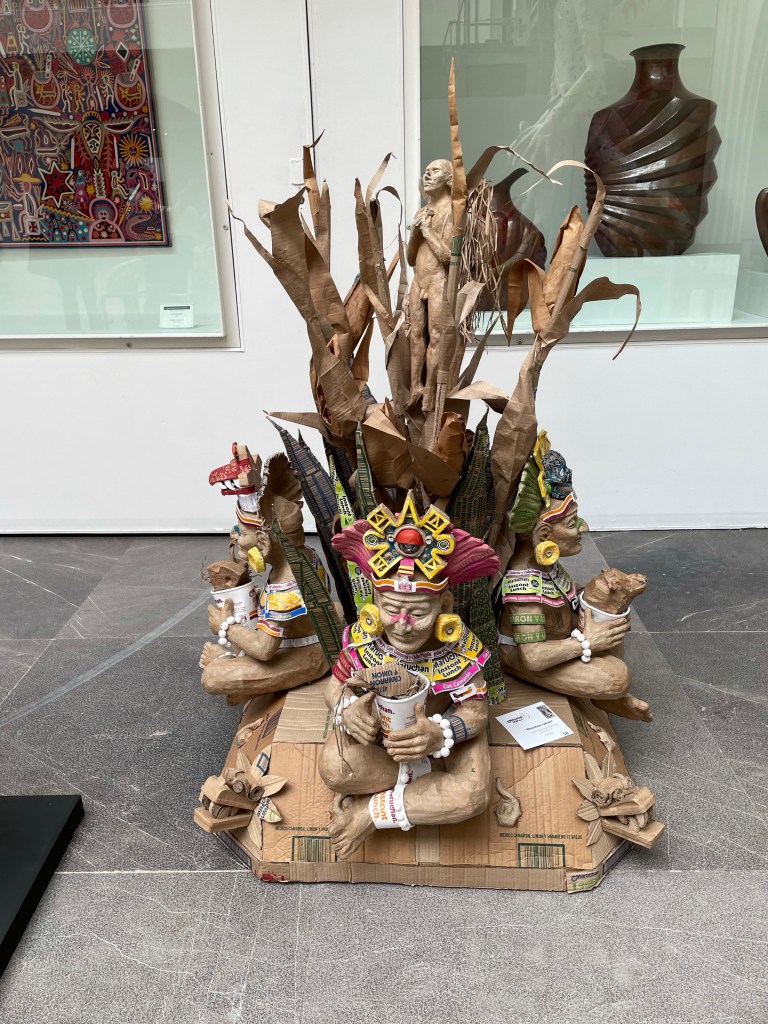
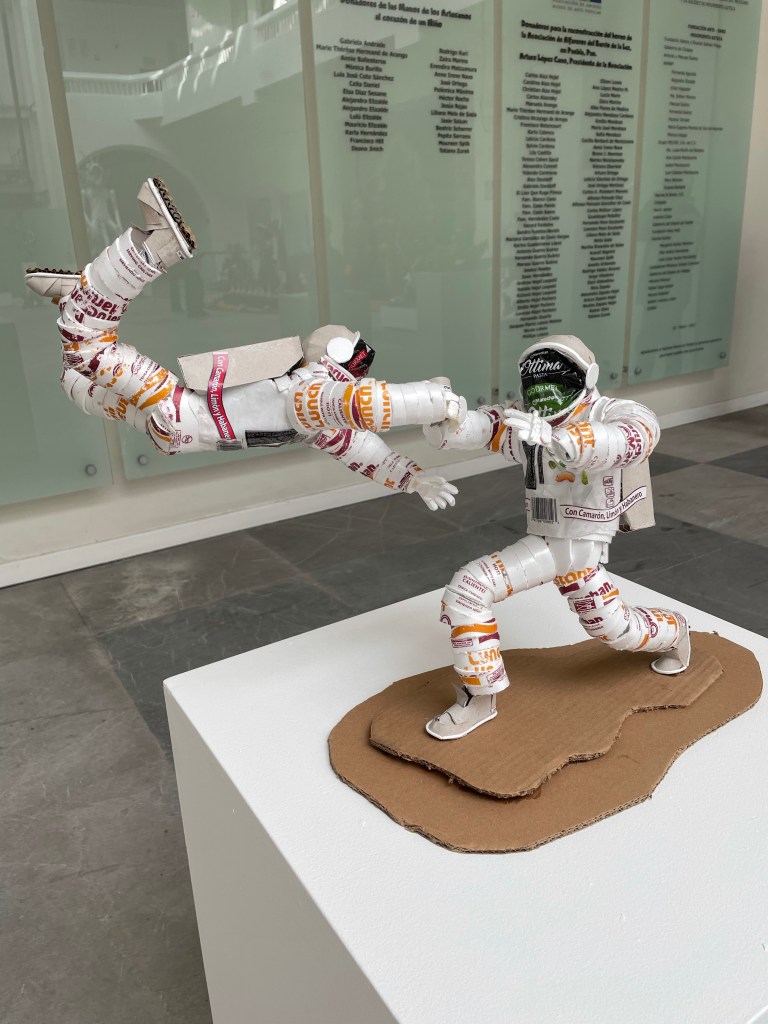
I left the Museum of Anthropology around 1, only to arrive at the Palace of Fine Arts and learn that it was closed; they just didn’t bother to update their website. Without enough time to drive back to the Museum of Anthropology (traffic was terrible and it was the opposite direction of the airport), I wandered around a bit, eventually coming across a Museum of Popular Arts which was open in a limited capacity. After this, I sat in the park for a while, and headed to the airport.
Mexico City airport is my least favorite airport. It’s clean and has lots of nice shops and stuff, but it’s incredibly confusing. Having had trouble navigating the airport on my initial journey to Chiapas, I arrived two hours before my flight today, even though I wasn’t checking a bag, just in case. Over the course of two hours, they gradual updated my departure gate, slowly shifting me from one waiting area to another, before finally assigning a gate five minutes before boarding started. I slept on the plan and arrived back in Chiapas without problems.
I took a bunch of photos today and yesterday; I’ll upload them later. I have classes to teach tomorrow and haven’t really planned that far ahead. I’m also really tired. It’s been a long weekend.
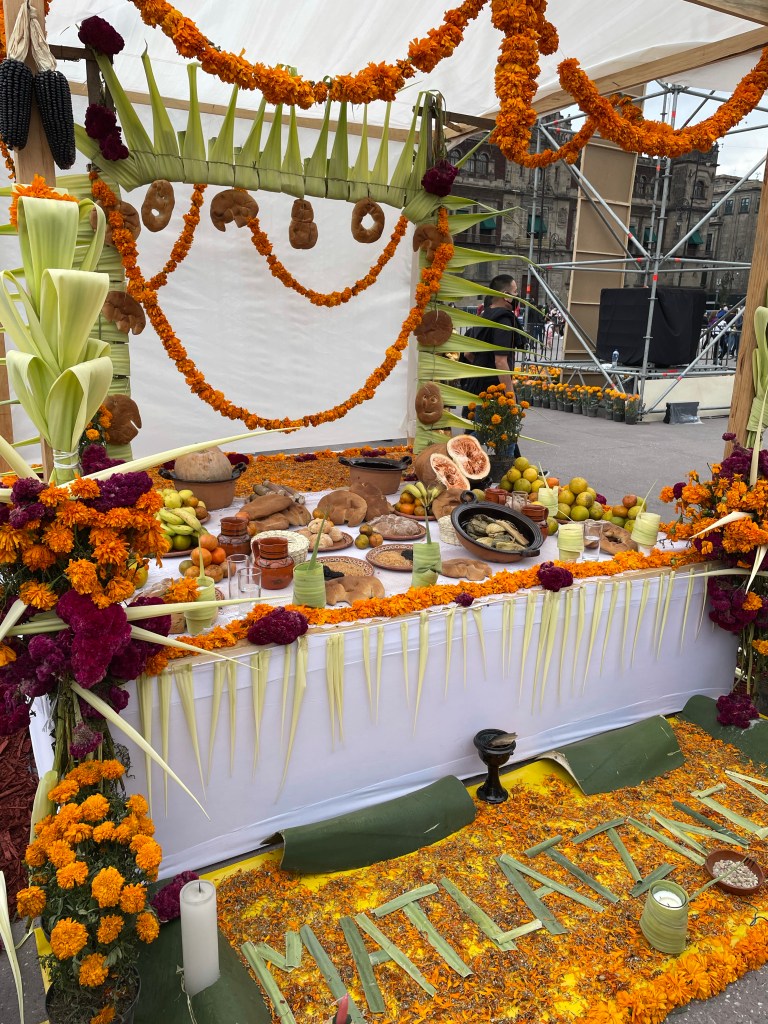
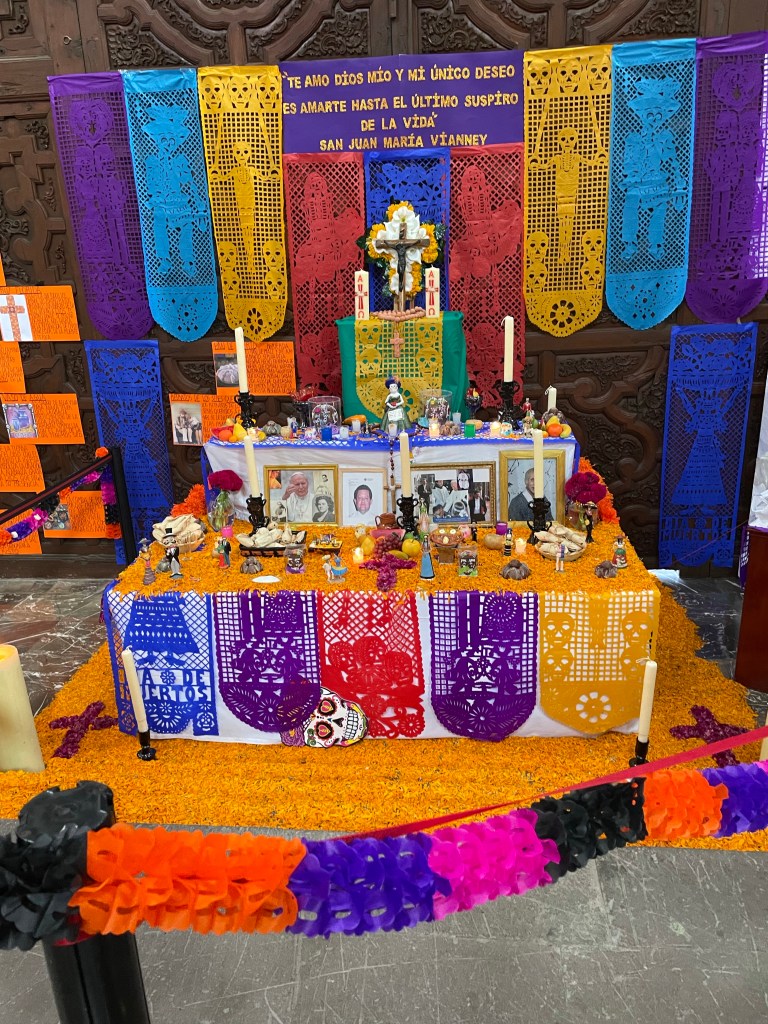
Today was the Dia de los Inocentes, the first part of Day of the Dead, which celebrates those who did in childhood and infancy. Tomorrow will be Dia de Muertos, which celebrates everyone else. I also saw a lot of trick-or-treaters out tonight (by far the most common costume was the masked guys from Squid Game, which seems really popular here, but which I haven’t watched yet). It appears that American influence has brought some elements of Halloween into Dia de Muertos (interestingly, both holidays have partial origins in All Saints Day. In Ireland, All Saints Day traditions melded with the older traditions of the Celtic holiday Samhain and were brought to the US to become Halloween. In Mexico, Spanish evangelists incorporated Aztec traditions into All Saints Day to create Dia de Muertos). At this time last year, I was teaching Korean students (online) and learned that young people in South Korea are also starting to celebrate Halloween. These sorts of cultural exchanges are cool, but there are downsides as well. One of my older Korean students complained that younger Koreans don’t want to celebrate the traditional fall holiday (Chusoek) anymore; they just want to dress up and eat candy like Americans. I don’t know to what extent that’s actually true, but it is certainly the case that globalization often leads to a diminishing of local traditions.
I also learned today that Mexico City did not hold a Dia de Muertos parade until the year after the James Bond movie Skyfall came out, in which there is a scene that takes place during a Dia de Muertos parade in Mexico City. This was completely made up because the director thought it would look cool, but Mexicans agreed, and now it’s a real thing.
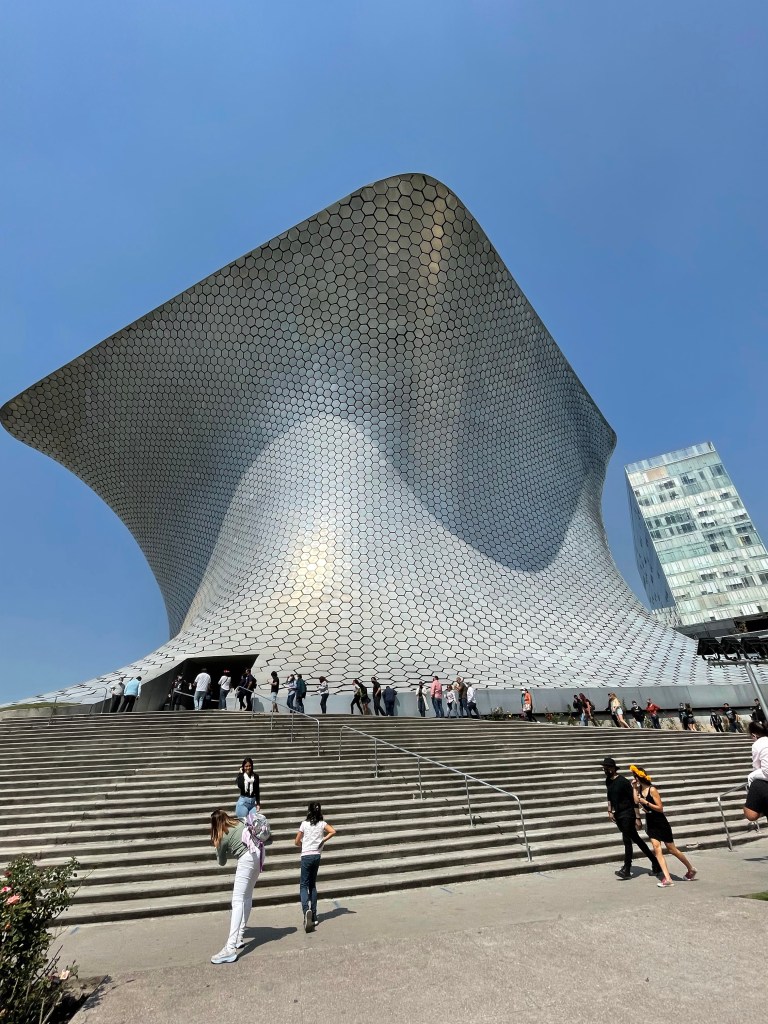
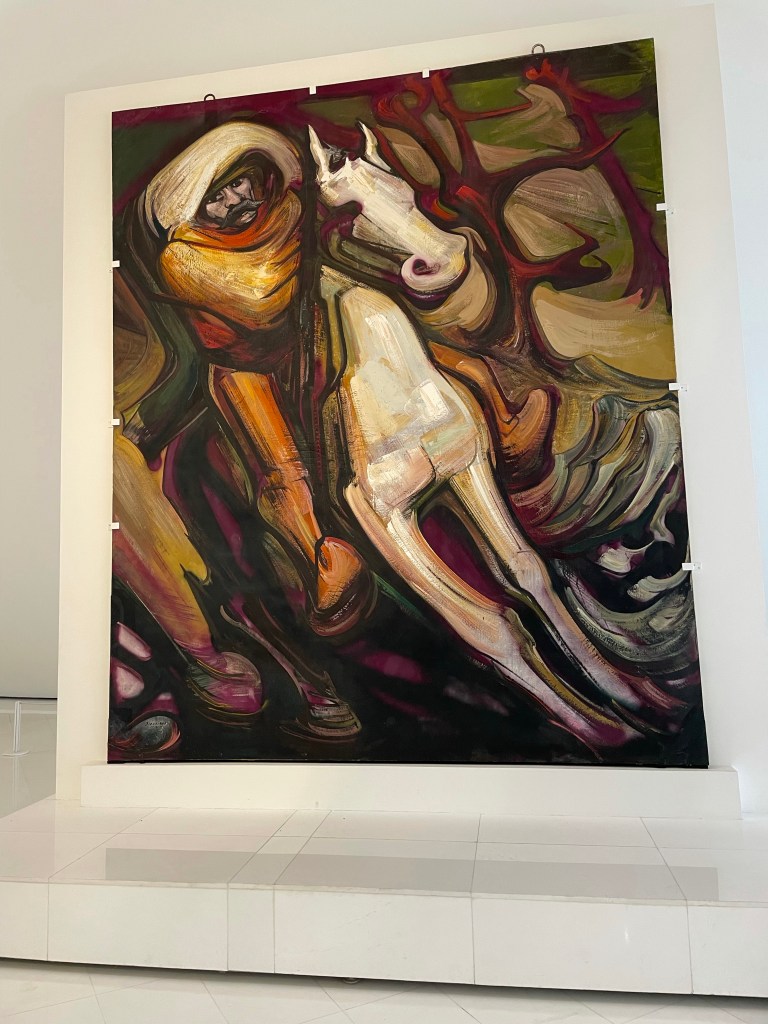
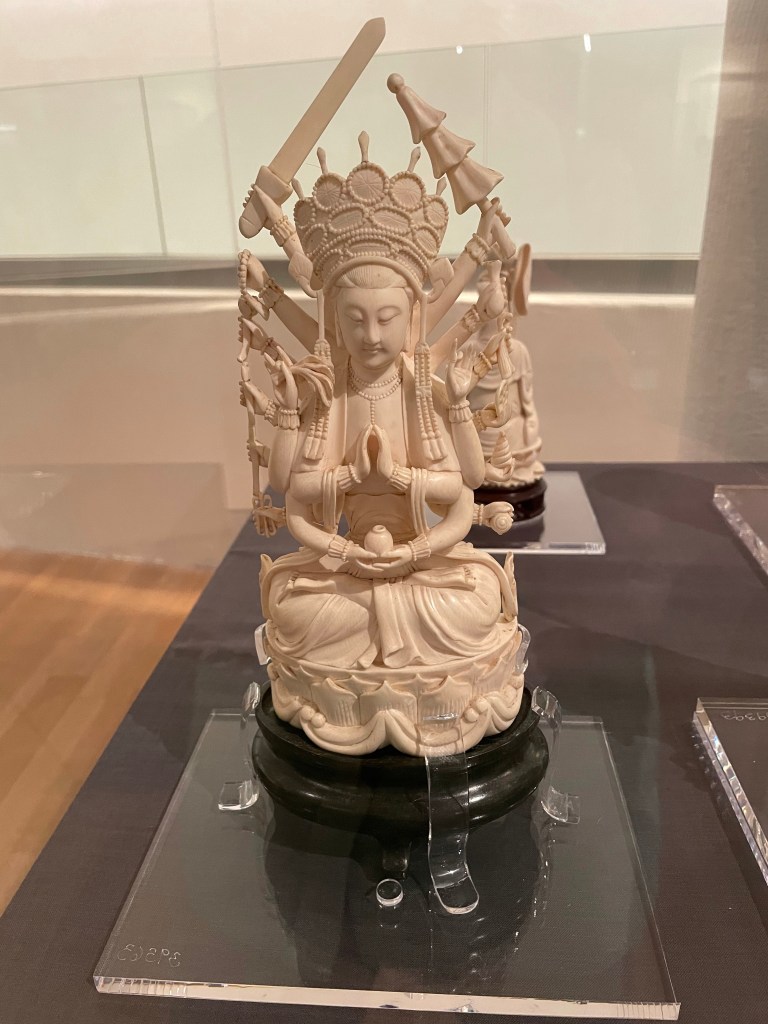
Last night, before going to bed, I doubled checked the hours at the museums I planned to visit, only find find out that everyone had updated their schedules and that most of the major tourist destinations would be closed for the day. Because of this, I ended up going to the Soumaya, an art museum with a mostly European collection, which I hadn’t planned on visiting, but which happened to be the only thing open. The Soumaya had a nice collection, but with art from across Europe, Asia, and Mexico, it lacked the focus that made the National Museum of Art special. When an art museum focuses on just one country, you can really see the way the artists are influenced by their historical circumstances and each other; a lot of that context is lost when you have a broader collection.
After the Soumaya, I made one more trip to the Zócalo, where the roped-off area was finally unroped, and then found my way to a Starbucks, where I spent about an hour working in grades. Later, I read for a bit and called a friend. These past two days have been pretty busy (and tomorrow’s schedule will be tight as well), so it was nice to slow down for a minute.
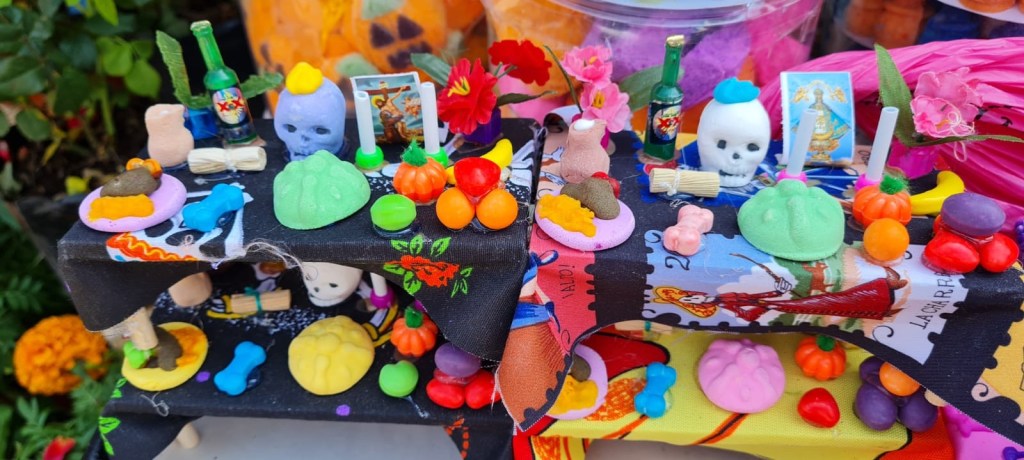
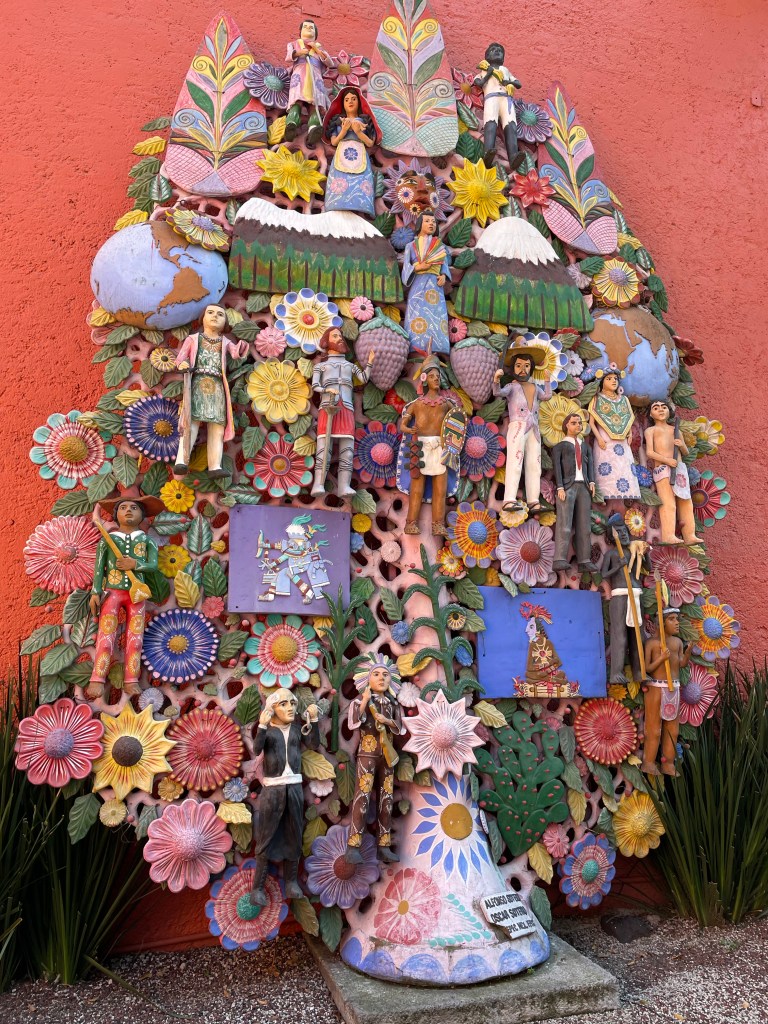

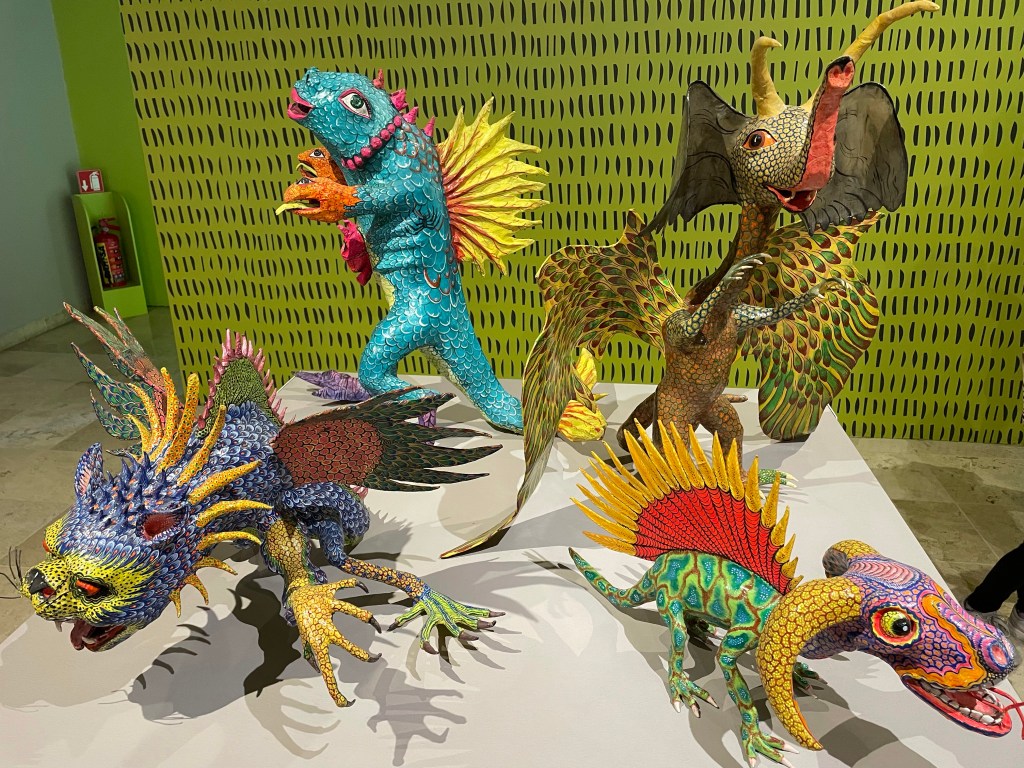
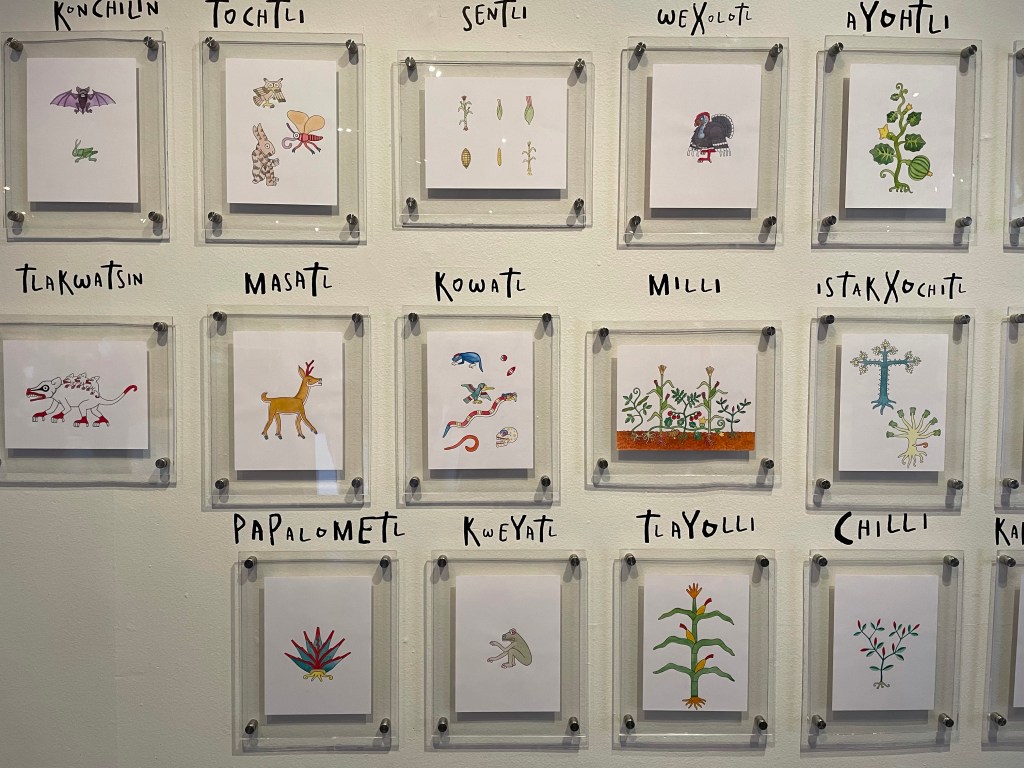

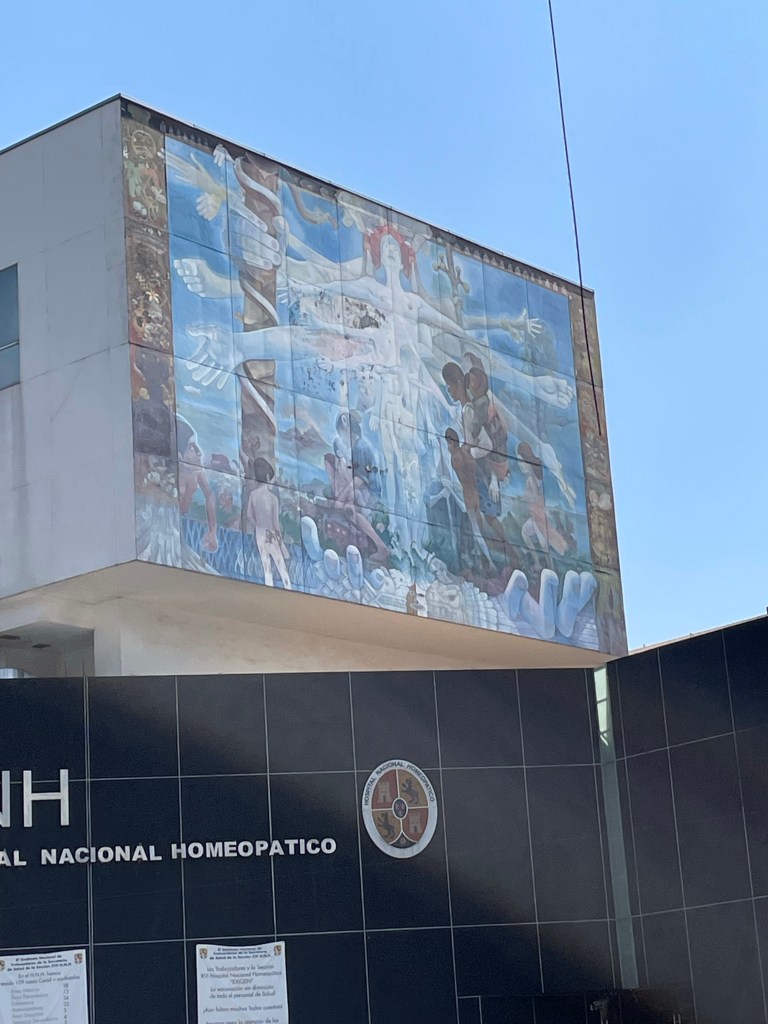
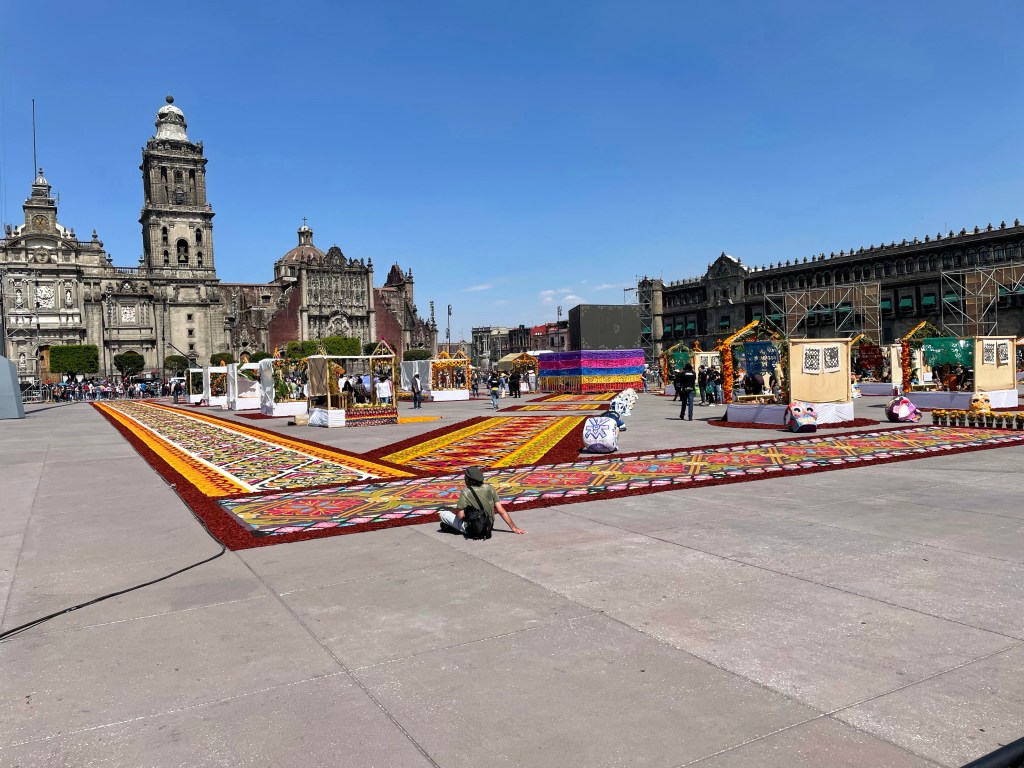
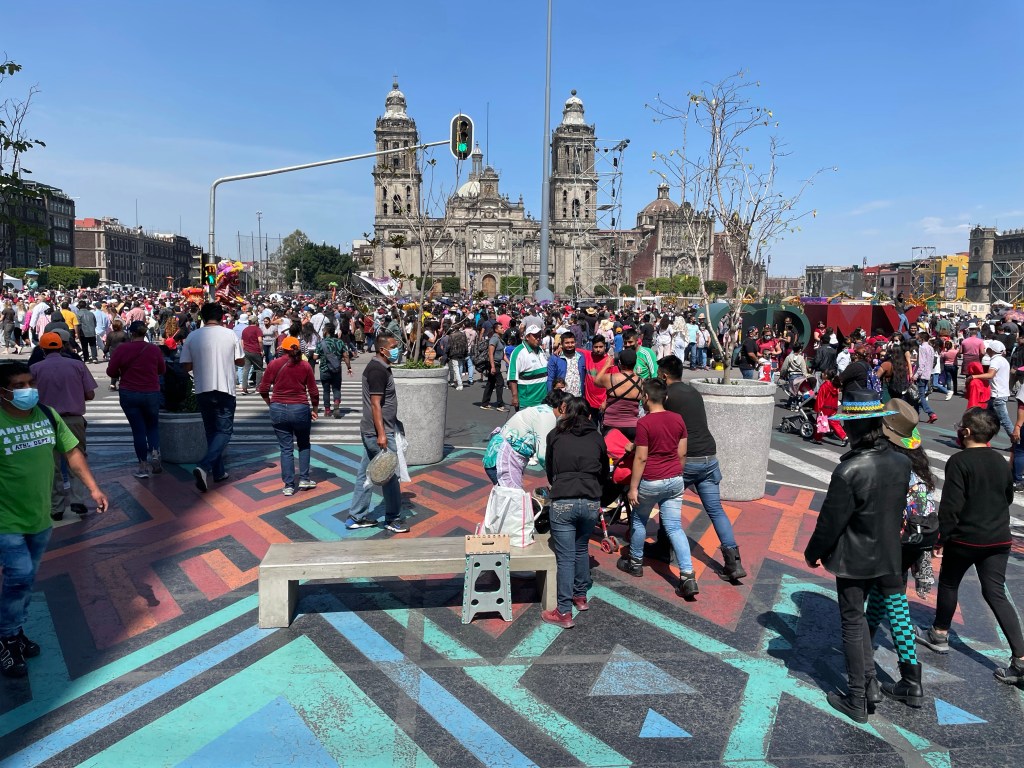
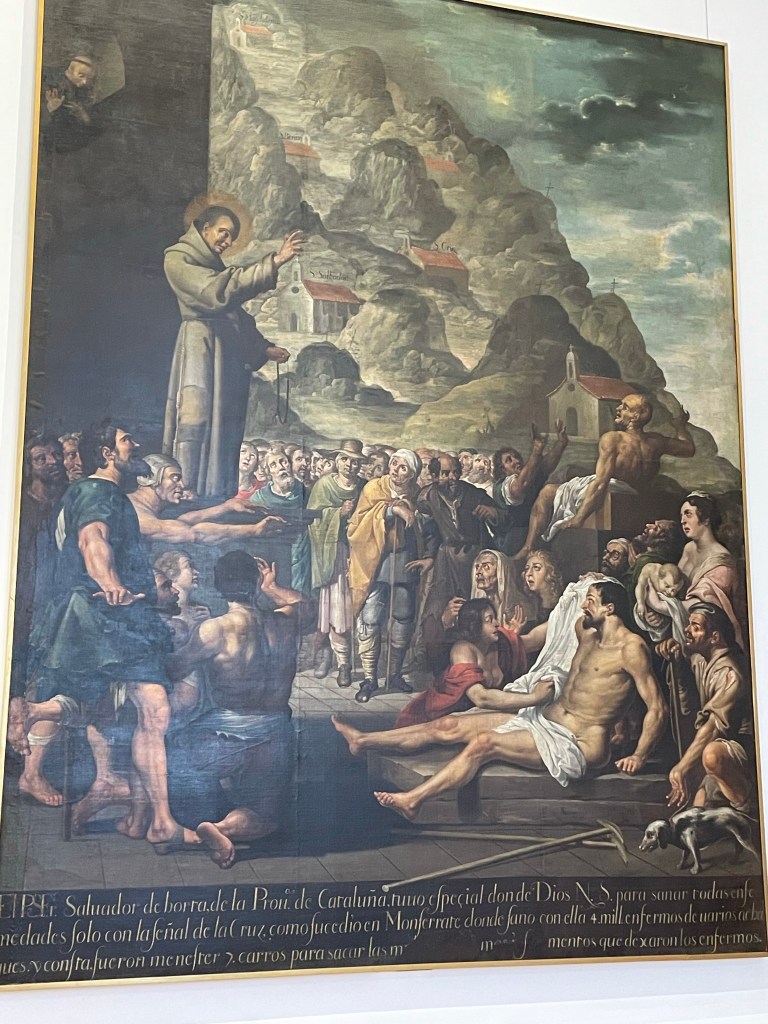
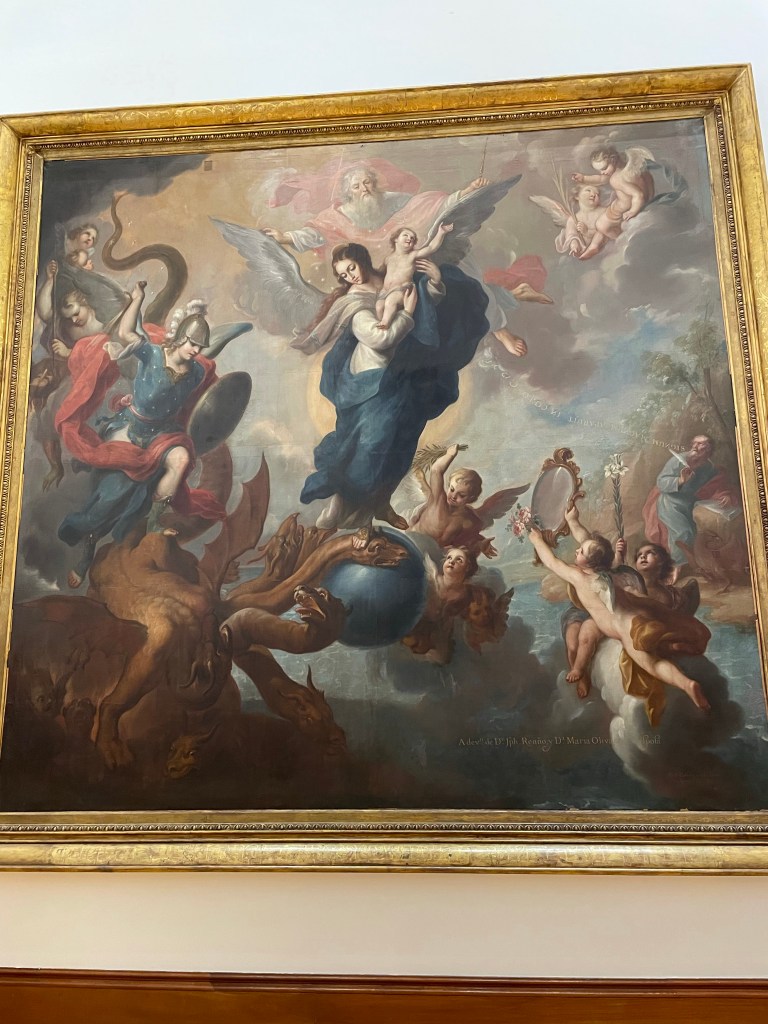
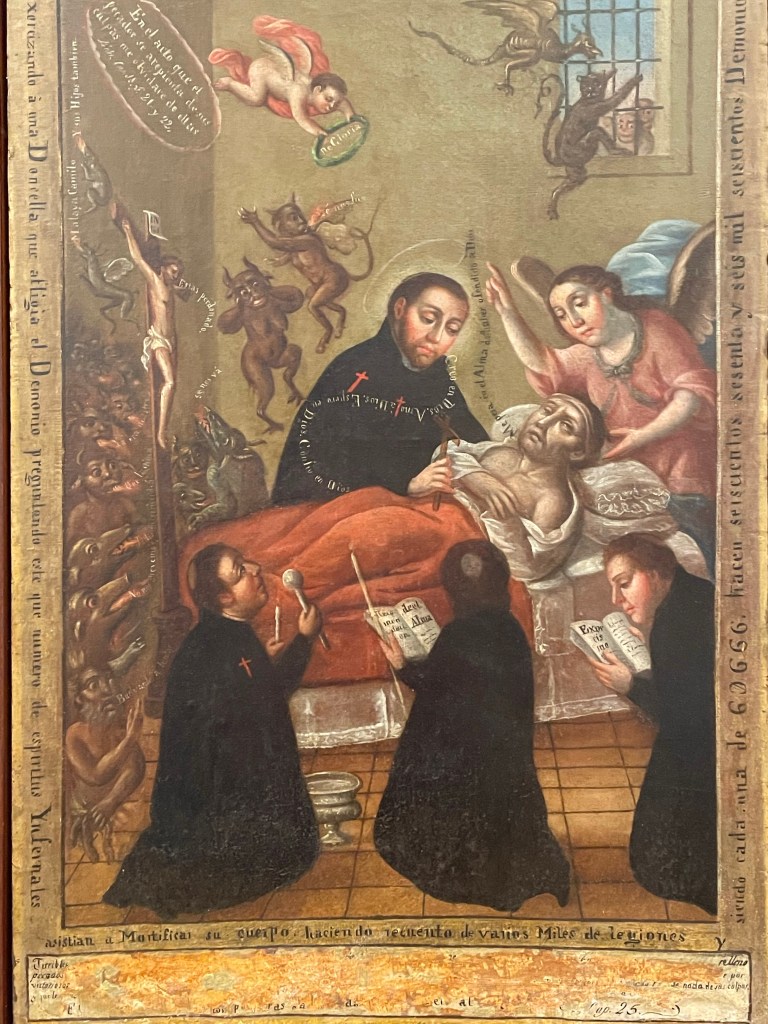
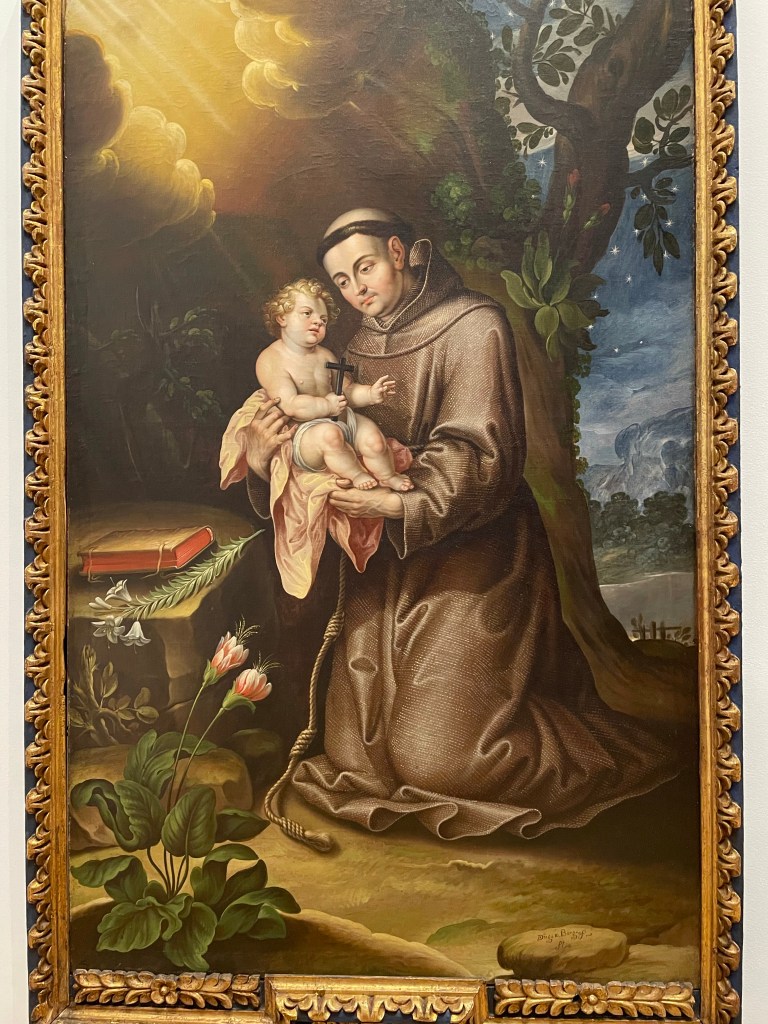

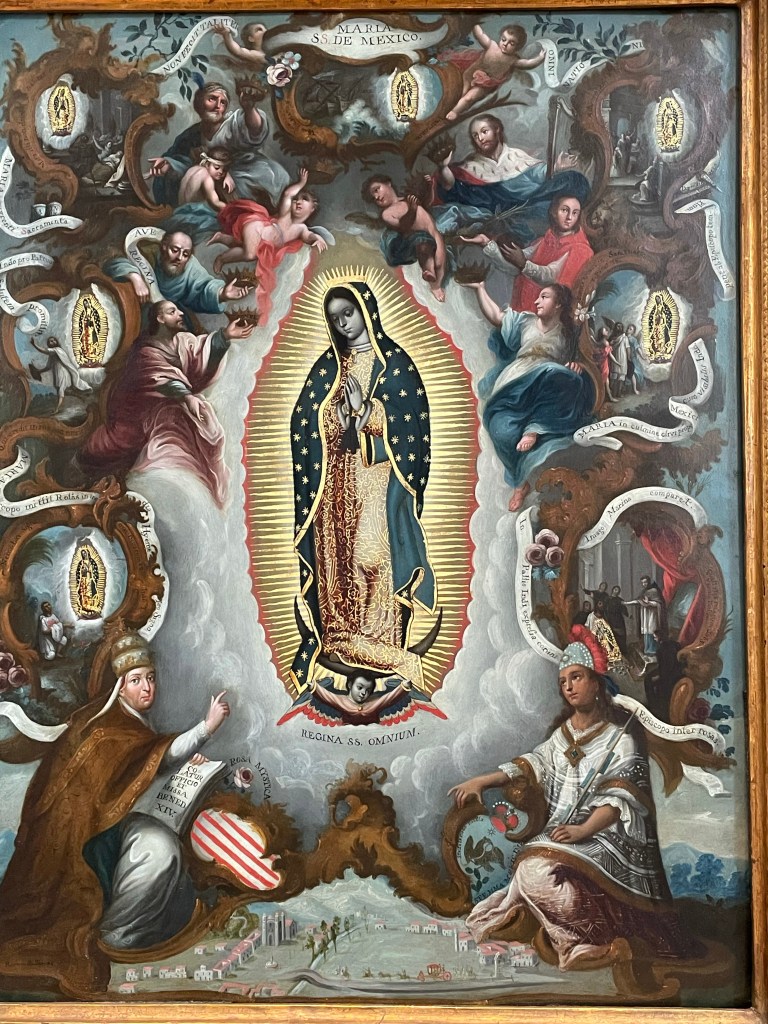
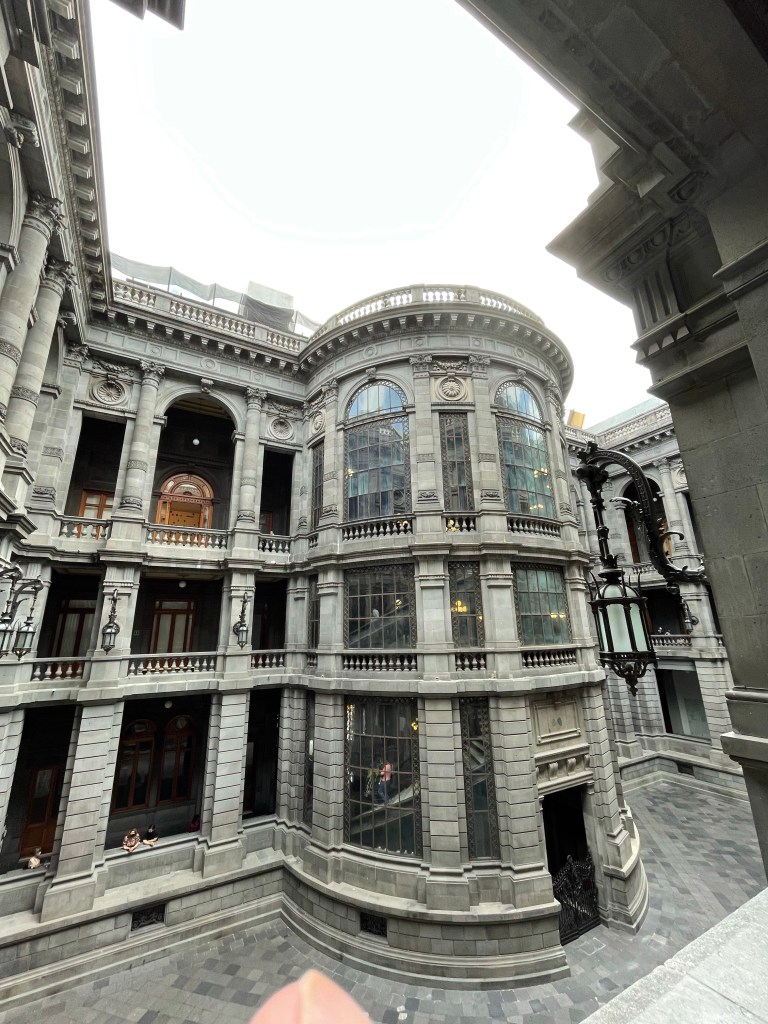
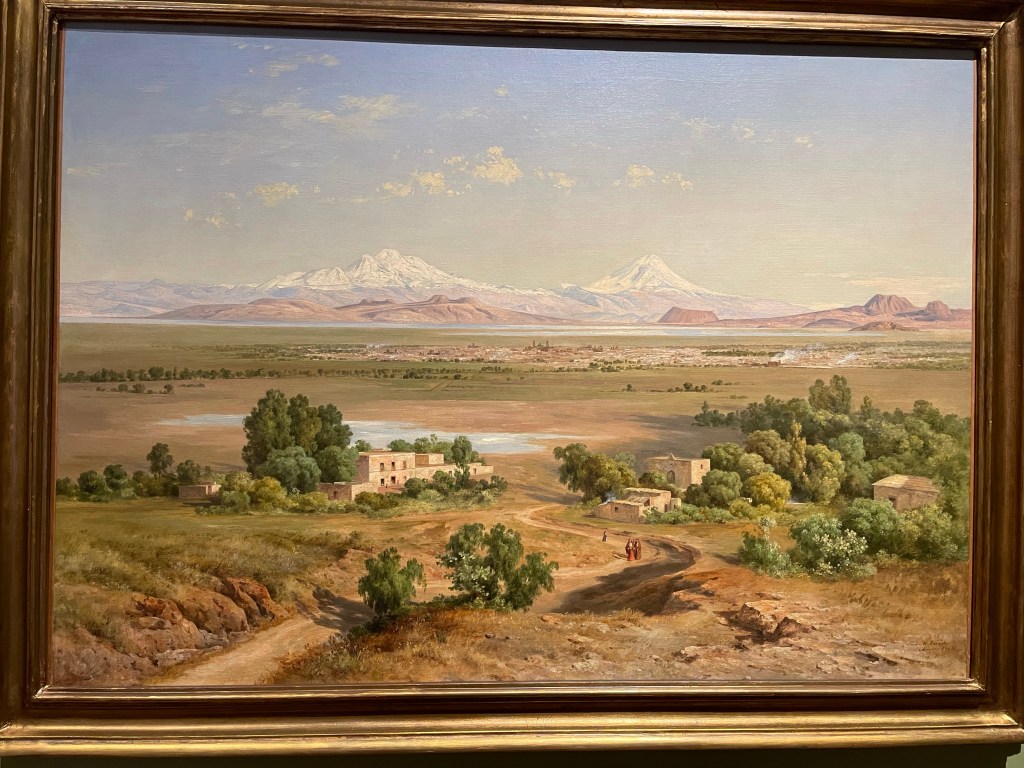
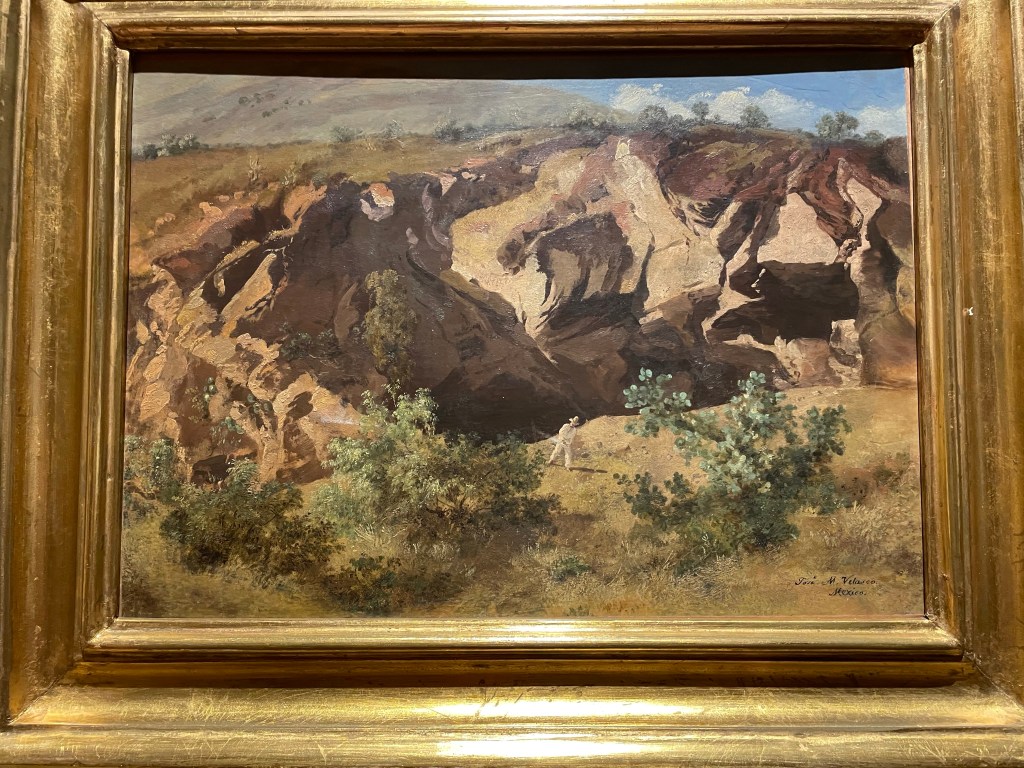
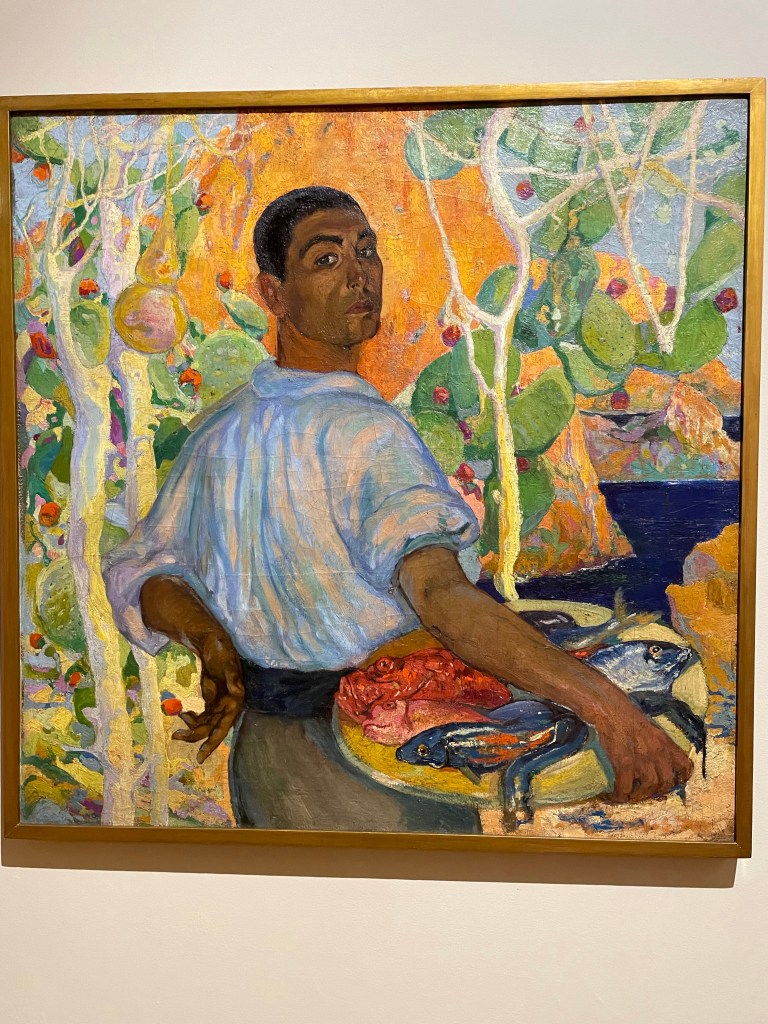
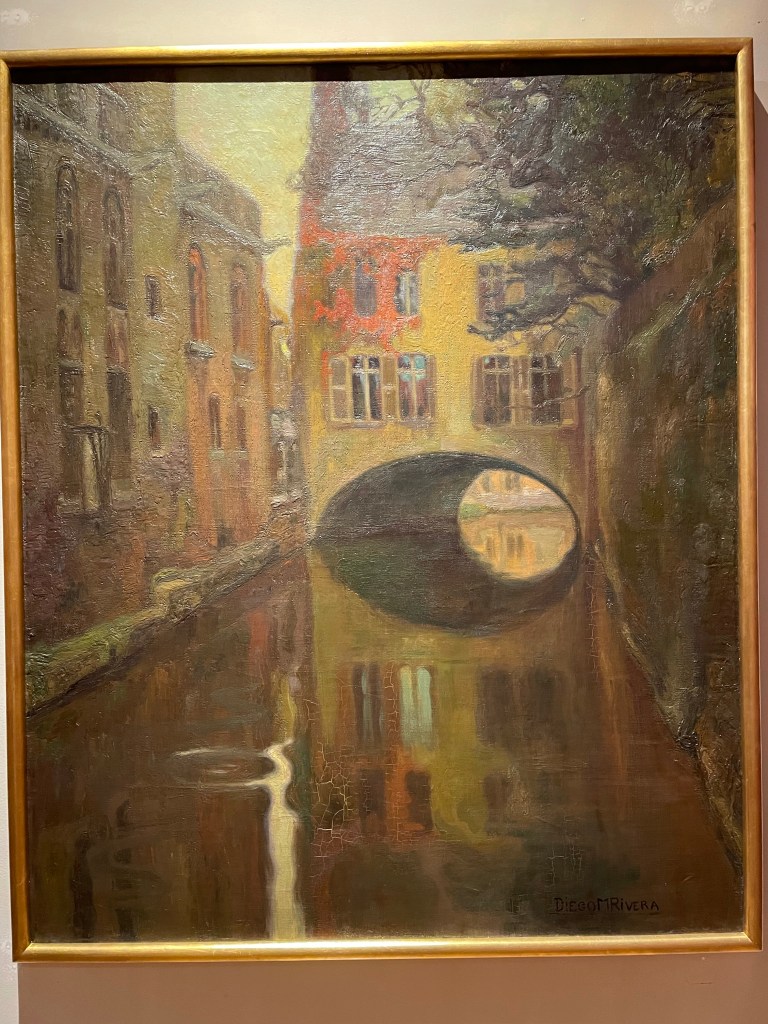
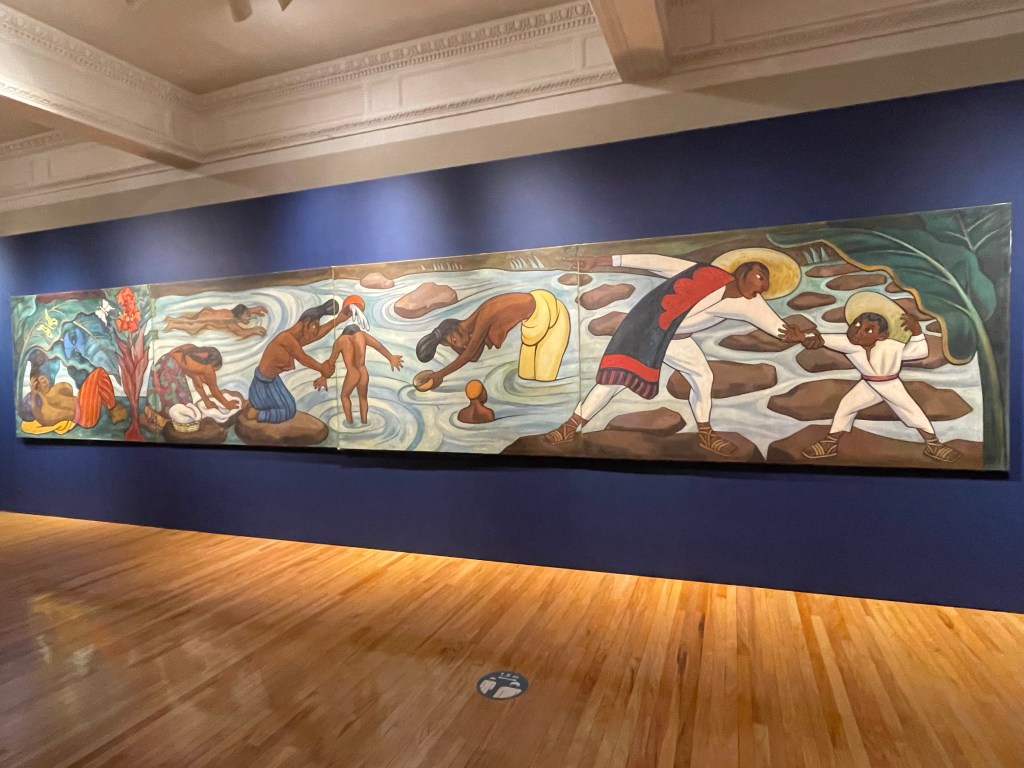
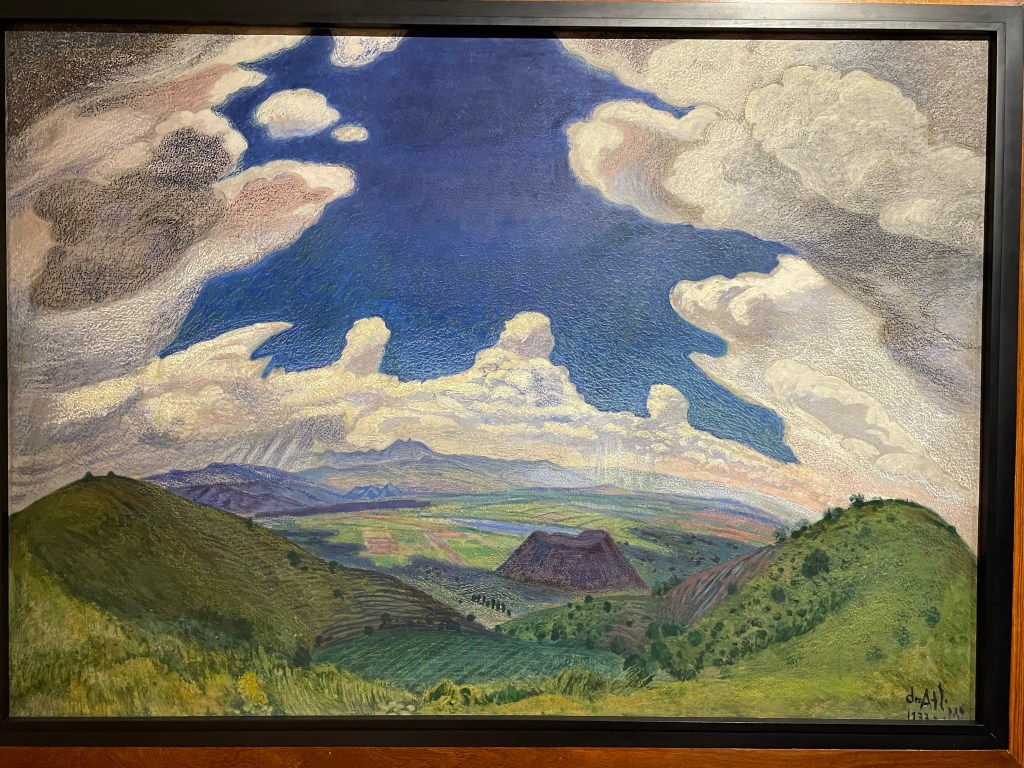
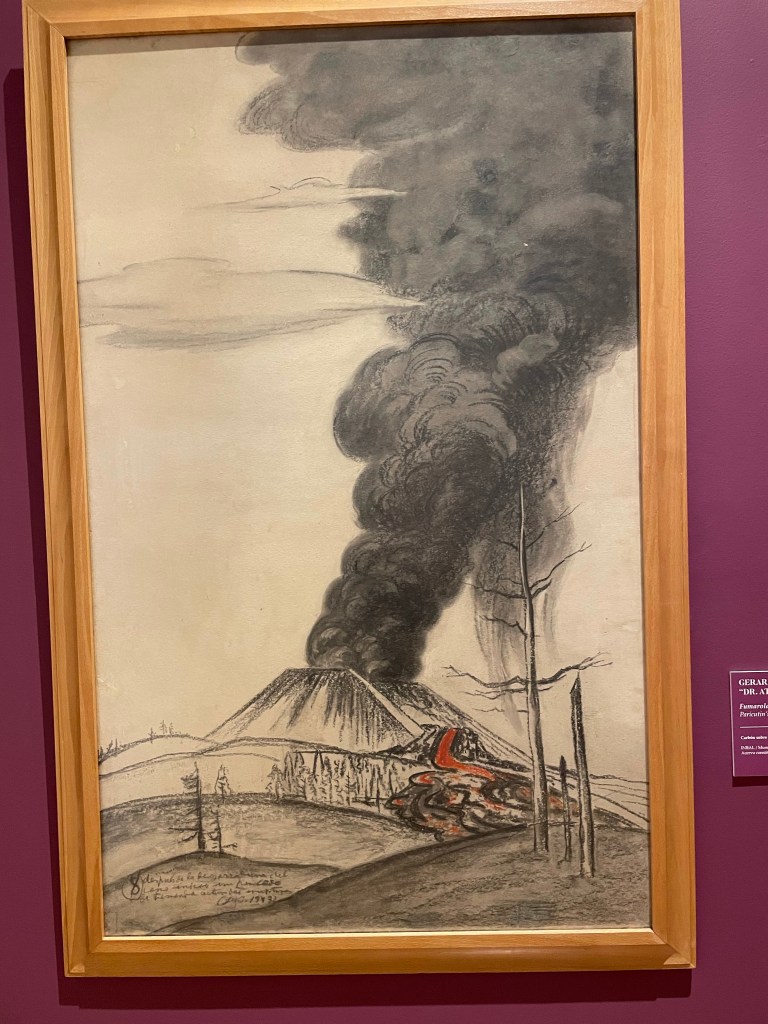
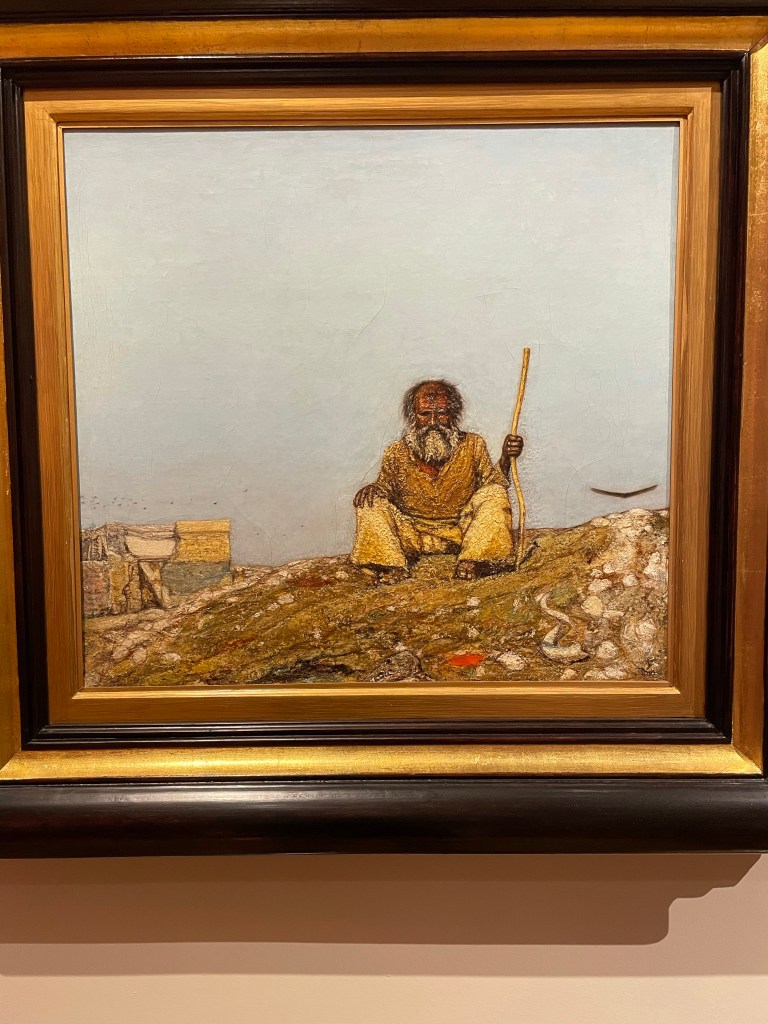

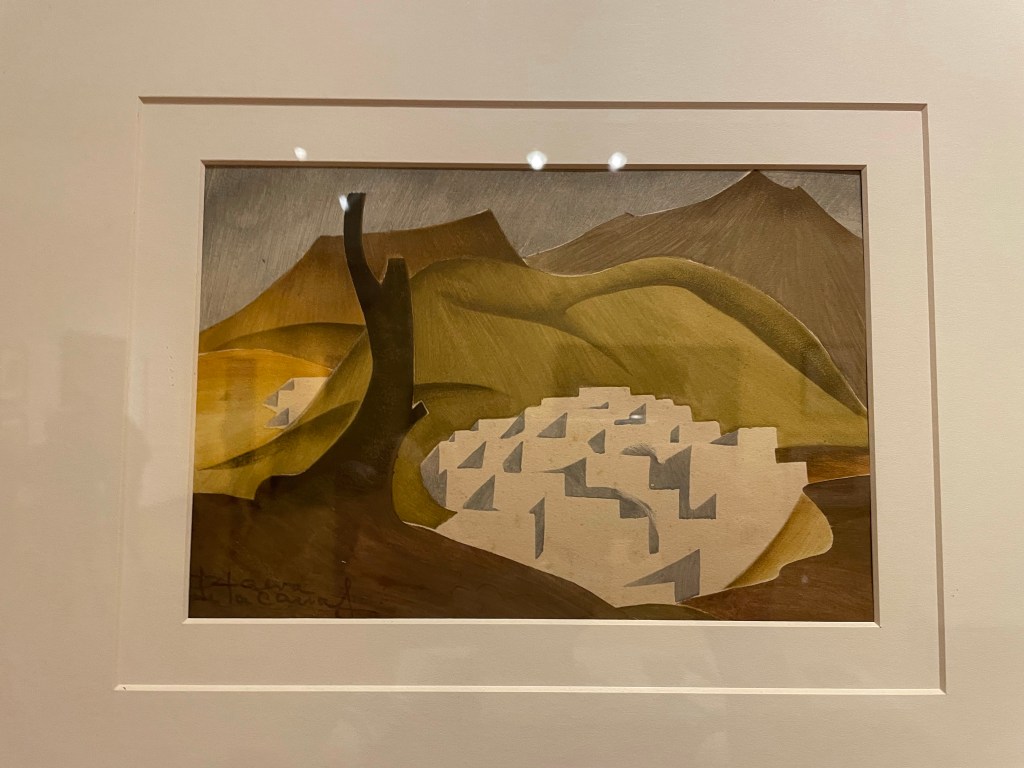
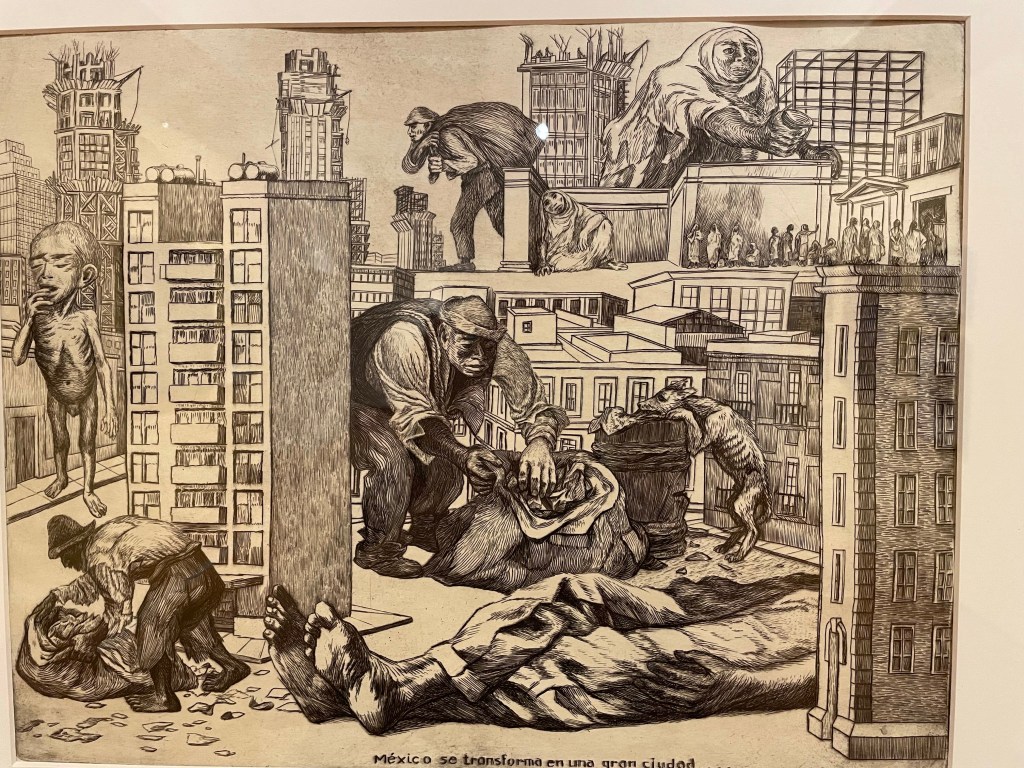
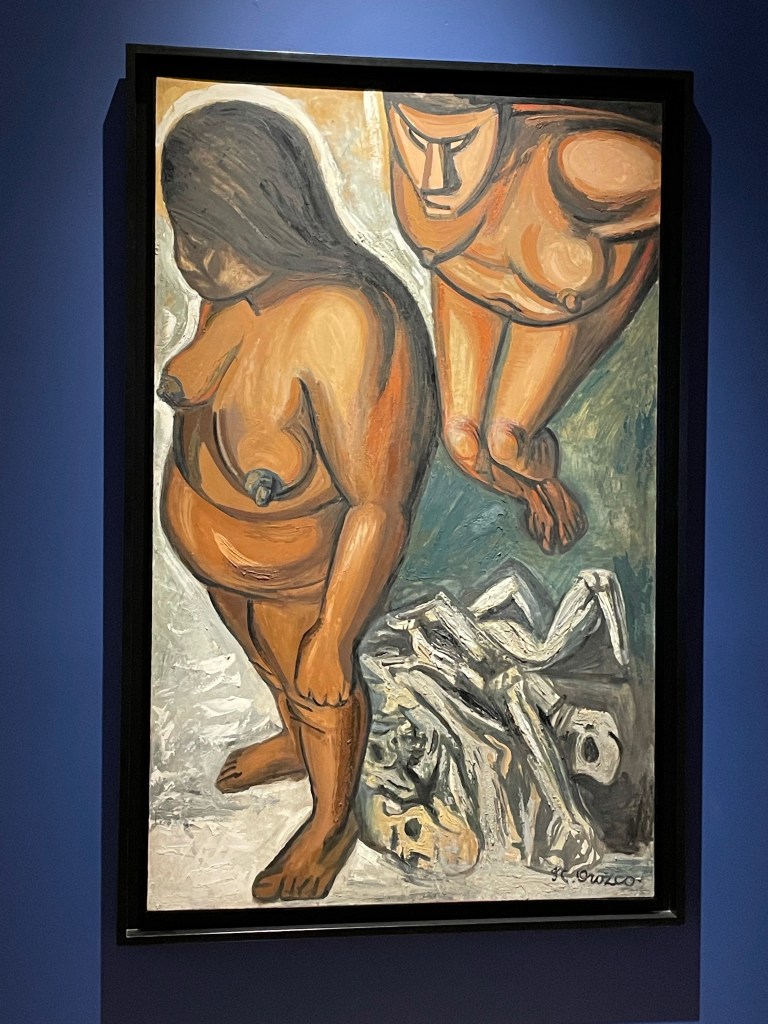
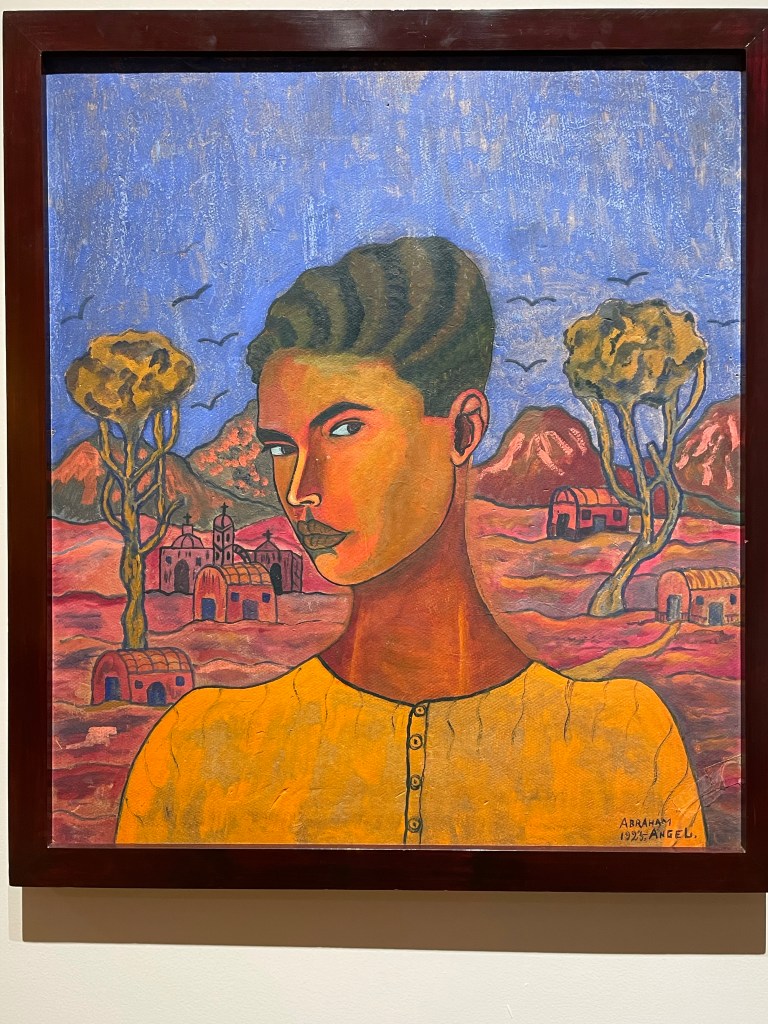
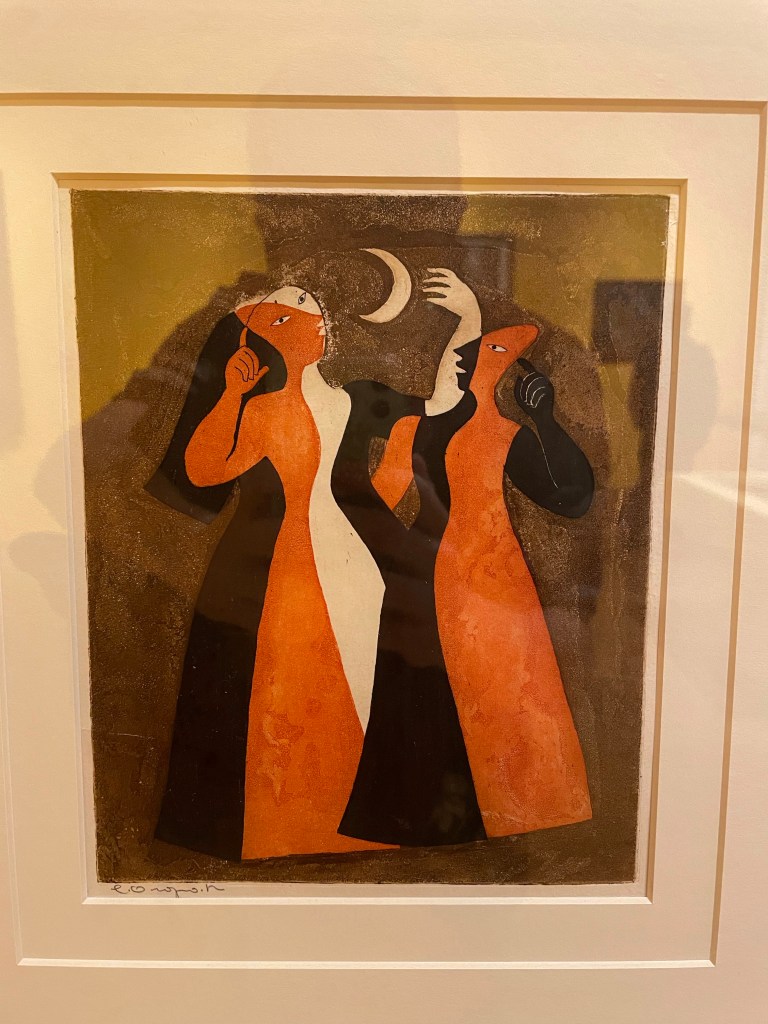

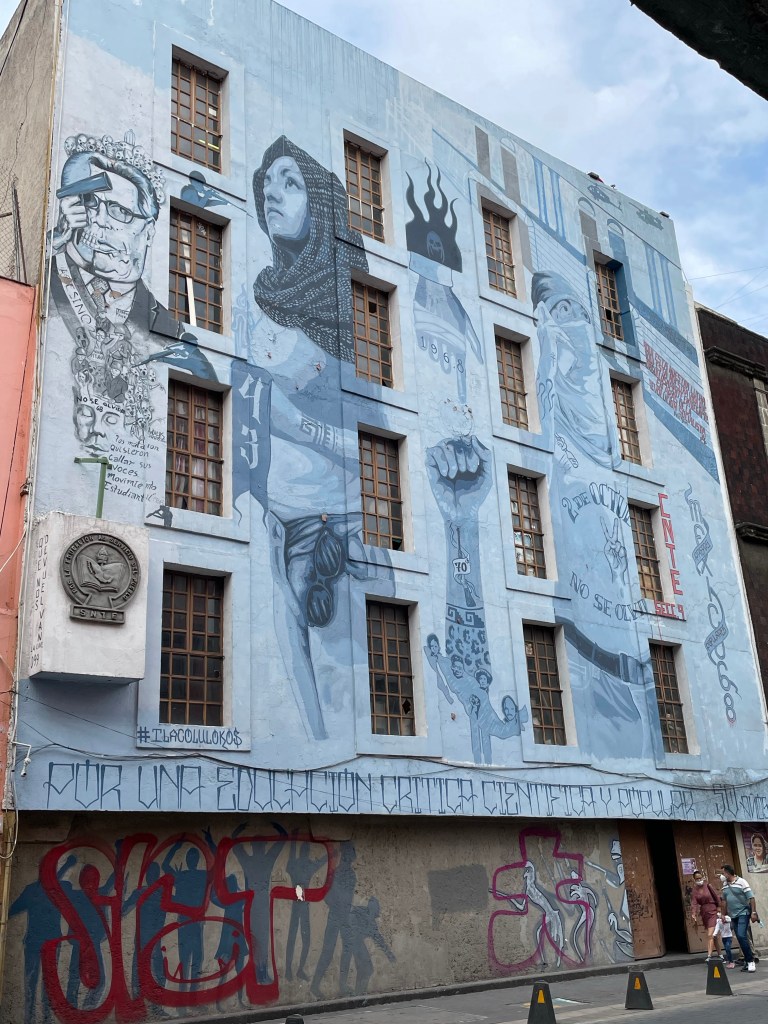
I woke up this morning with red eyes and a runny nose. The culprit is almost certainly allergies, and I have since taken medicine, but I still can’t seem to stop sneezing. Other than that, it’s been a great day.
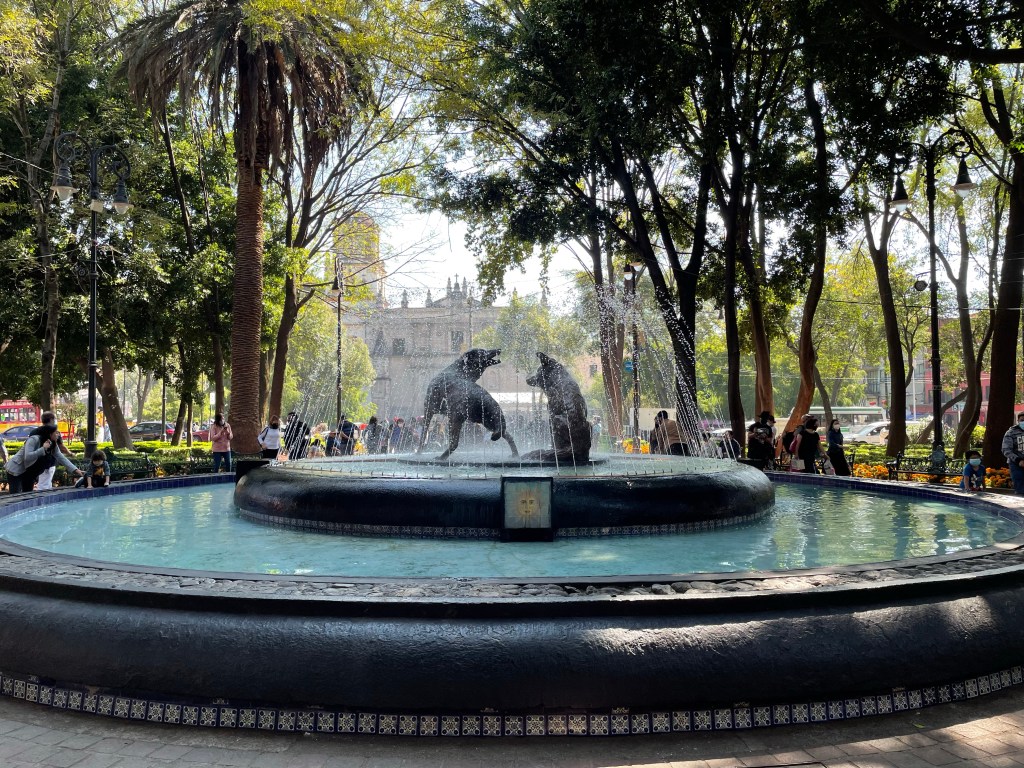
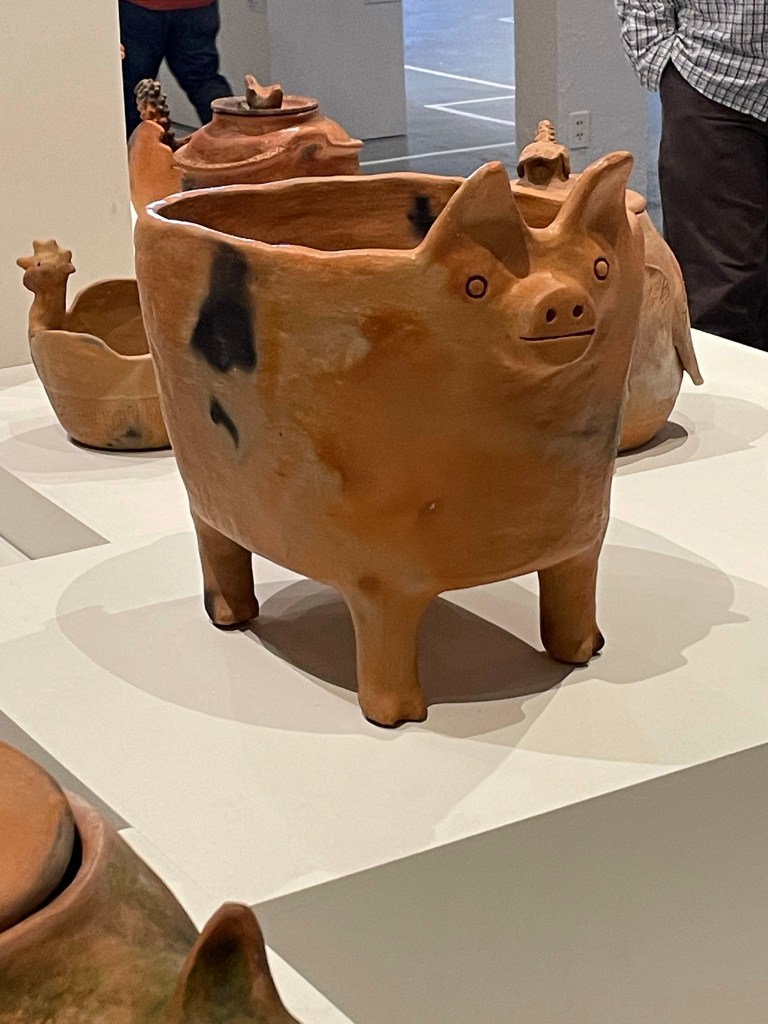
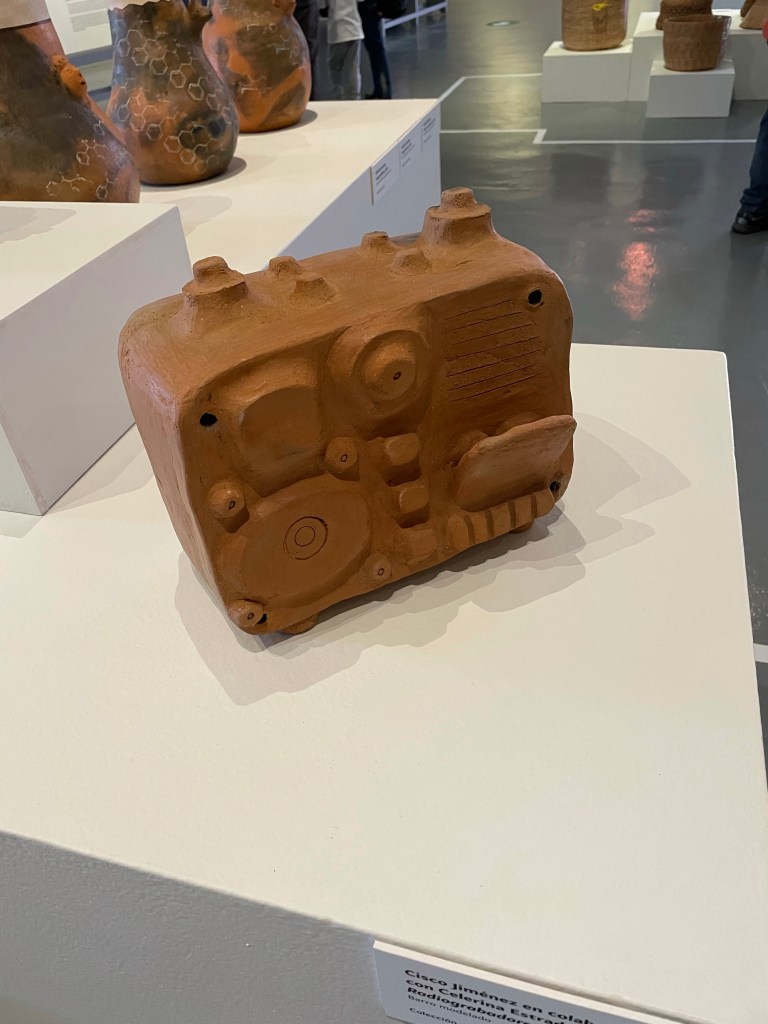
After eating breakfast at the hotel, I took a taxi from the Historic District to the Coyoacan neighborhood, where Frida Kahlo’s childhood home has been turned into a museum. Unfortunately, due to pandemic restrictions, museum capacity was limited and tickets were sold out for the next month. Fortunately, the Museum of Popular Culture was only a few blocks away (this title, however, is a bit of a misnomer. In American English, “popular culture” denotes “mass culture”, but in Spanish, it means something more like “folk culture”). The museum’s main exhibit was a collection of clay pots from Cuentepec, a Nahuatl-speaking community in central Mexico. The pots were interesting because they weren’t the kind of items you usually see in a museum. They were primarily functional, with only small artistic flourishes. The craftsmanship was well-practiced, but there remained blemishes and asymmetries which marked the items as the products of real hands rather than mechanical assembly. I hadn’t thought much about it before, but items like that are increasingly rare. The imperfections gave the pots a charming quality, a reminder of the people and the labor which brought them life. I was also able to buy a big book of Mexican folktales, which I’m super excited about. The stories are short and readable, with beautiful illustrations.
After the Museum of Popular Culture, I explored Coyoacan for a bit, then took a taxi back to the Zócalo. I had a nice conversation with the taxi driver (it’s a very rewarding feeling to be able to communicate with strangers in another language and still be understood) who spent a long time trying to convince me that I should marry a Mexican girl and open a restaurant in Chicago (feels like a projection, but ok). The Dia de Muertos traffic was so bad that after 25 minutes of driving, he pulled over to the side of the road and told me, very honestly, that it would be faster for me to get out and walk the last kilometer. I thanked him and went on my way.
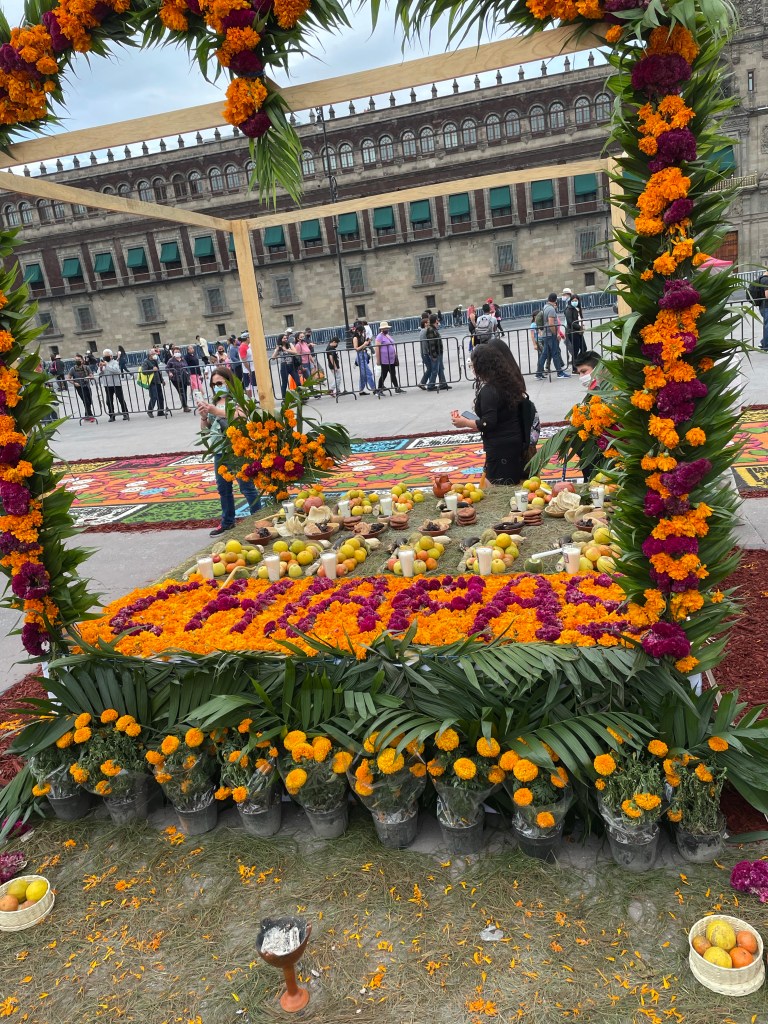
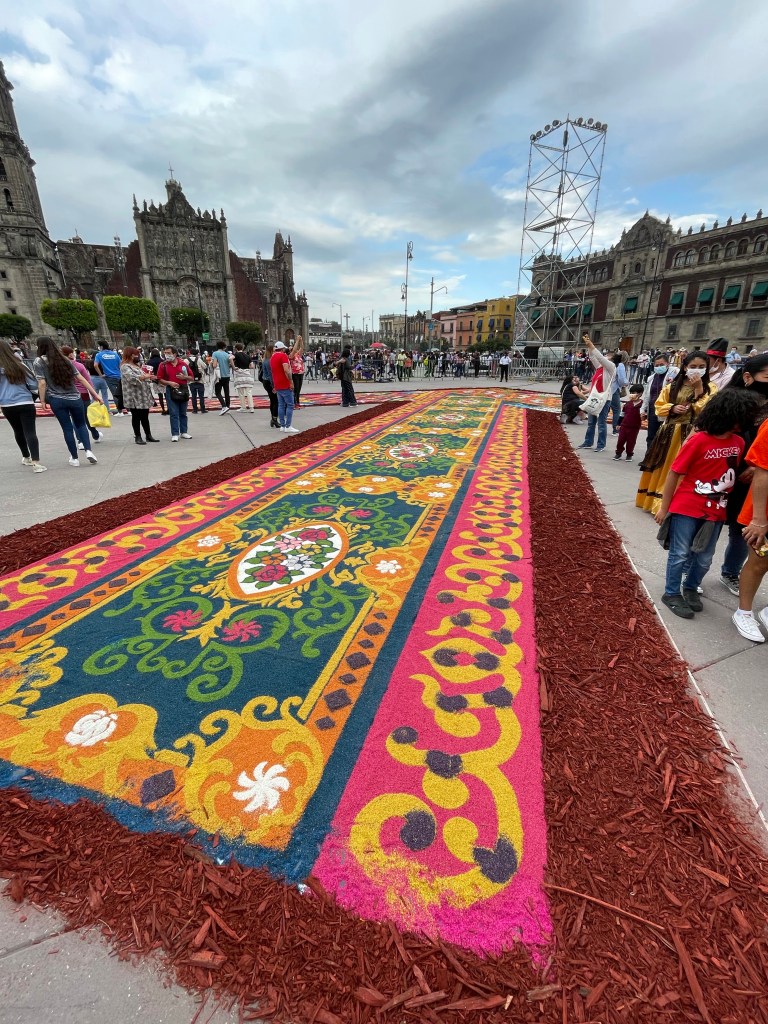
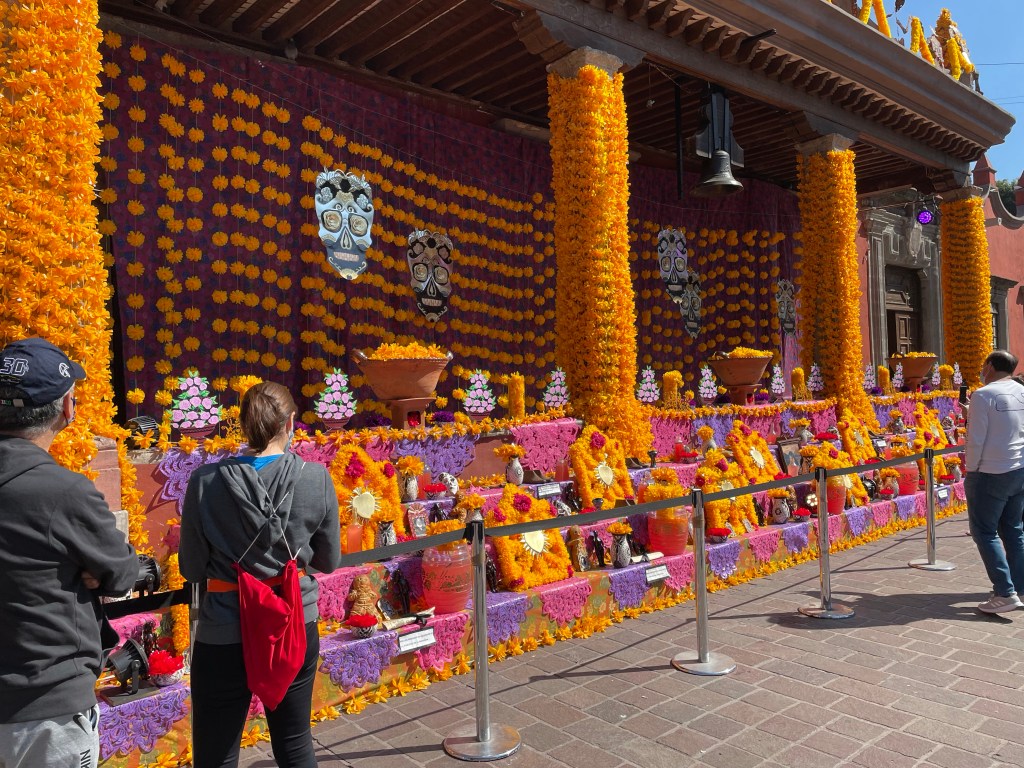
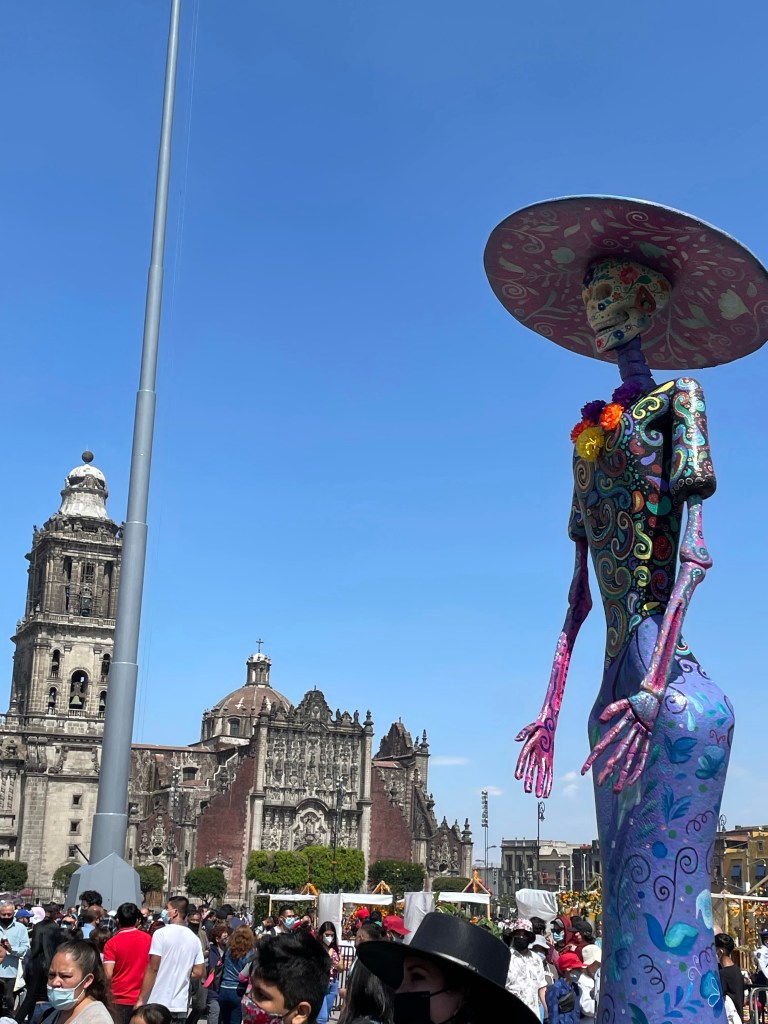
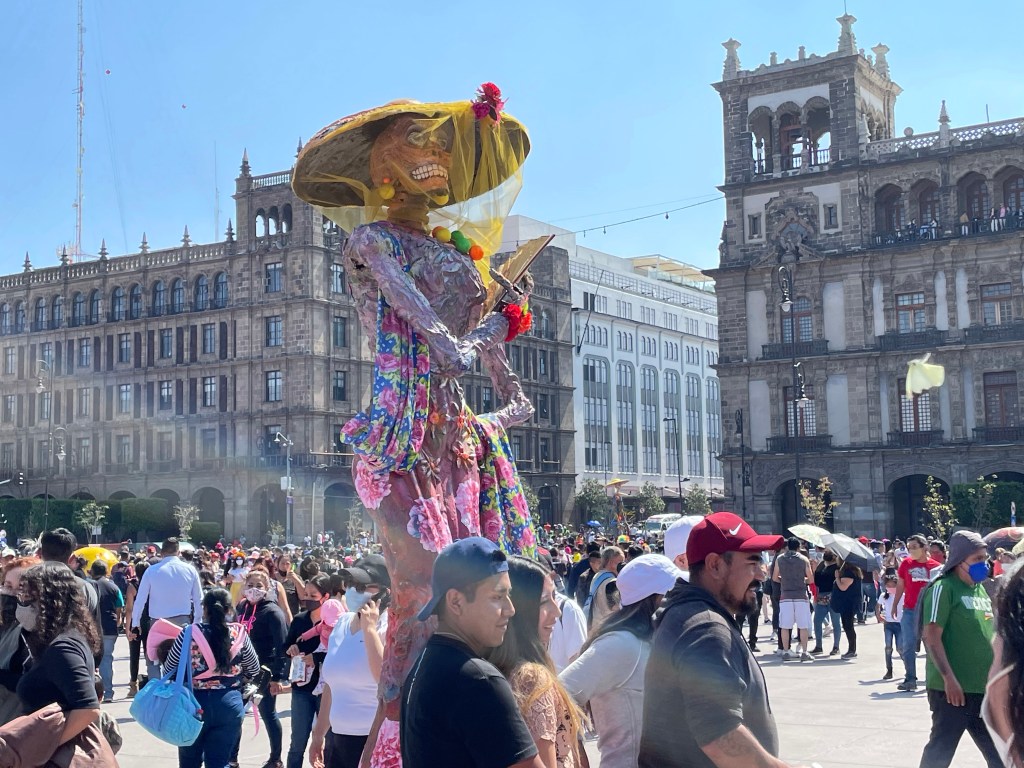
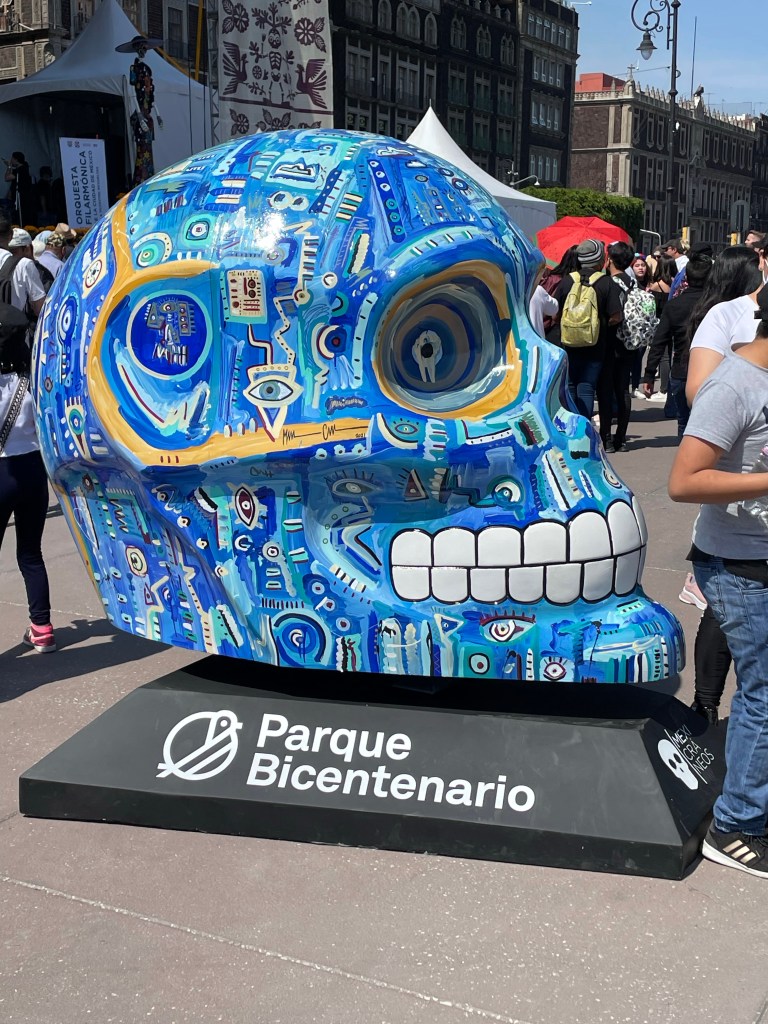
In the Zócalo, a sea of people had gathered in costume to see colorful statues, an orchestra, and a parade. I was too late for the parade, but the atmosphere was still enlivening. After more than a year of the pandemic, I’m still not used to seeing this many people in one place.
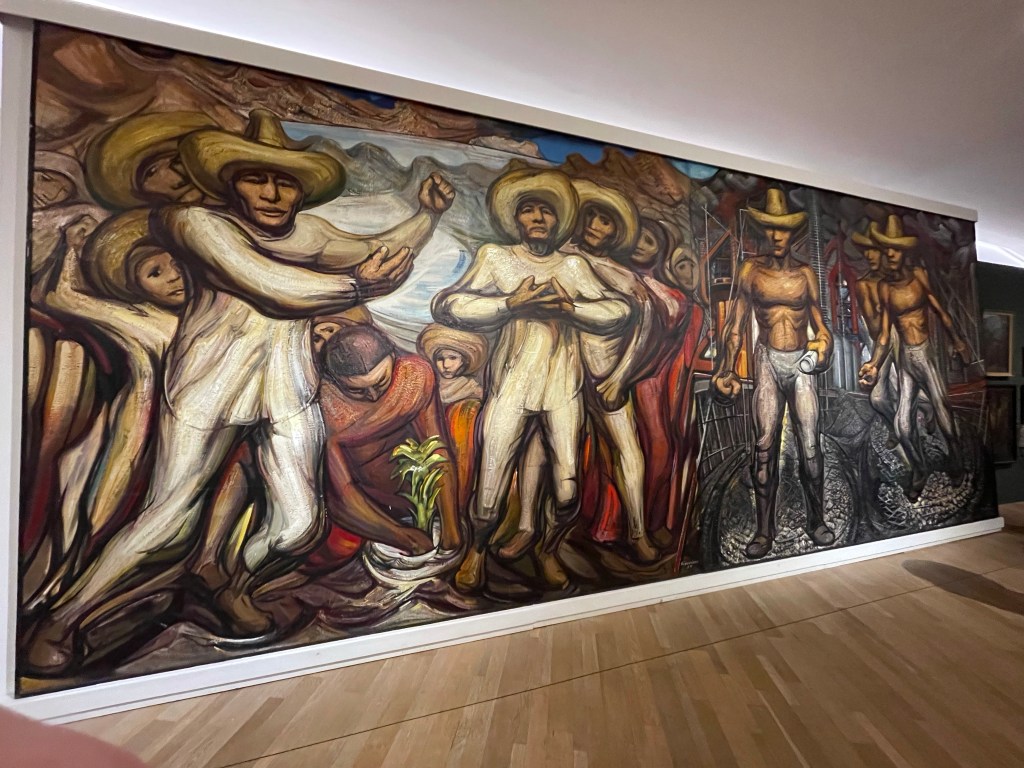
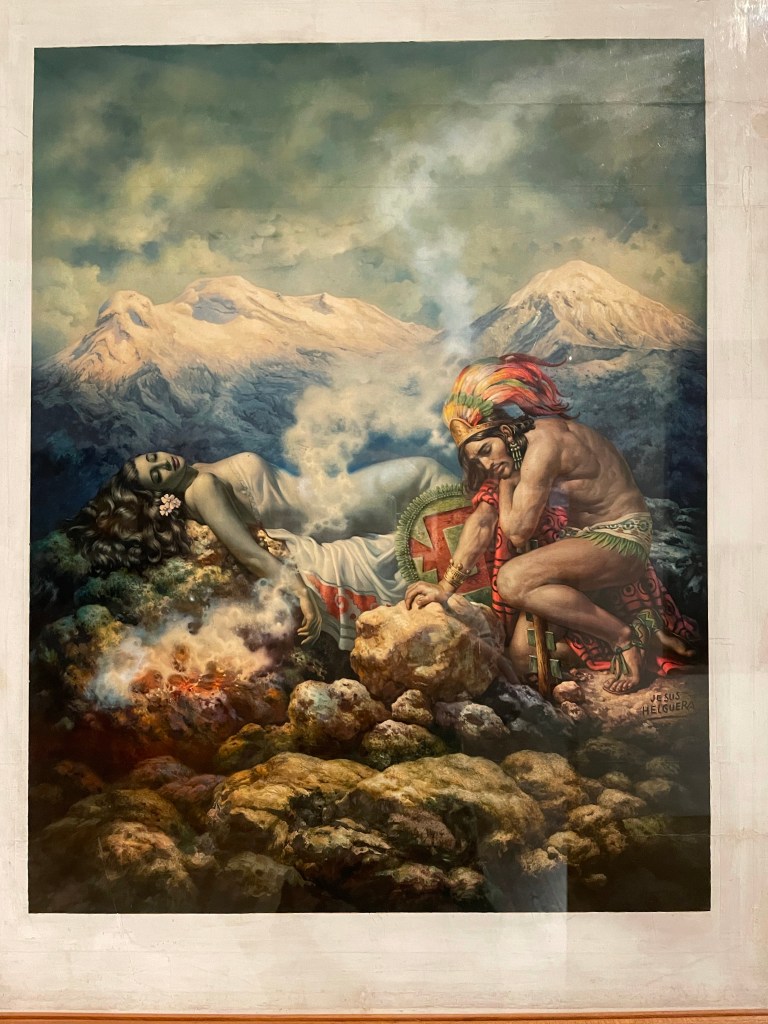
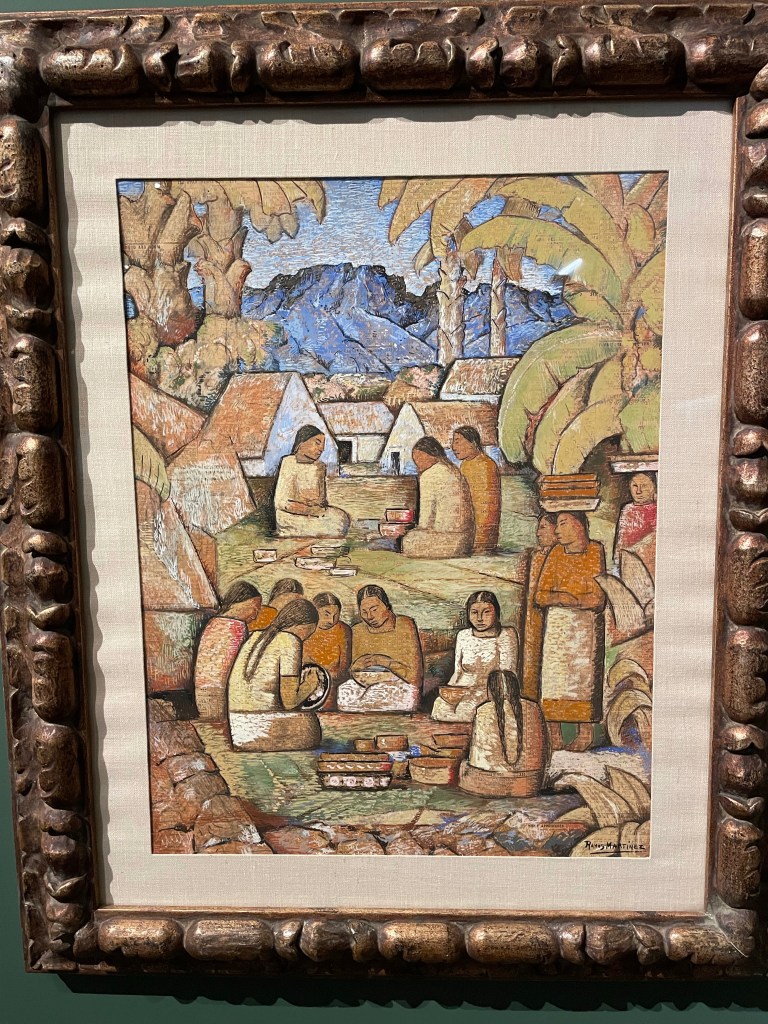
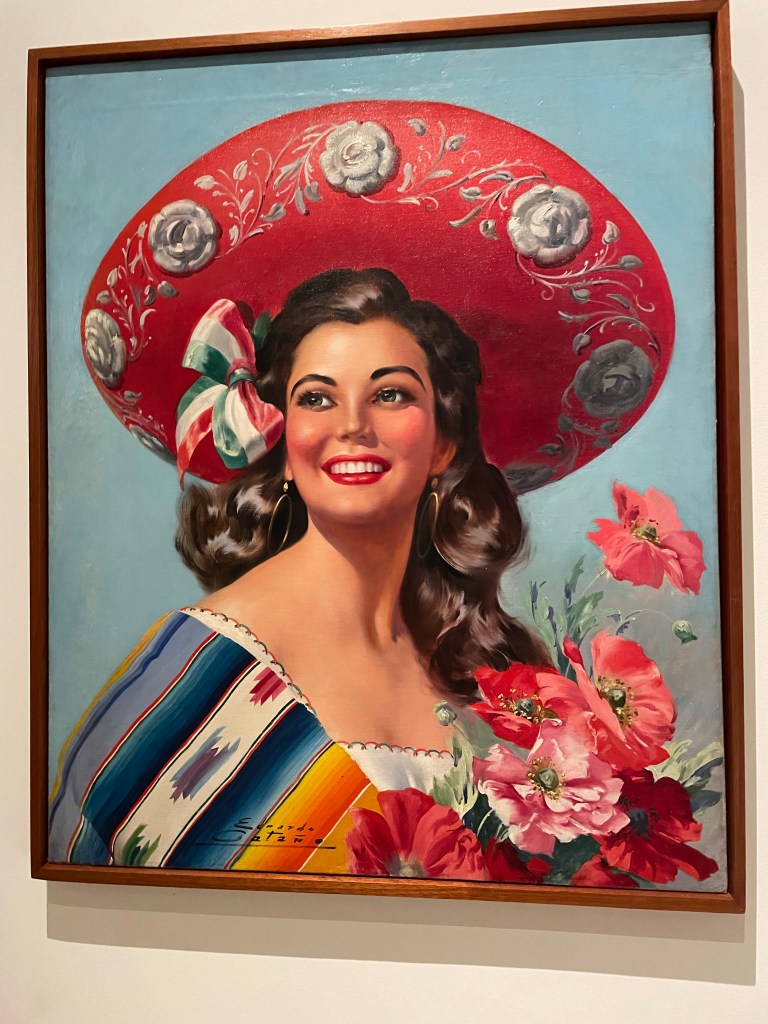
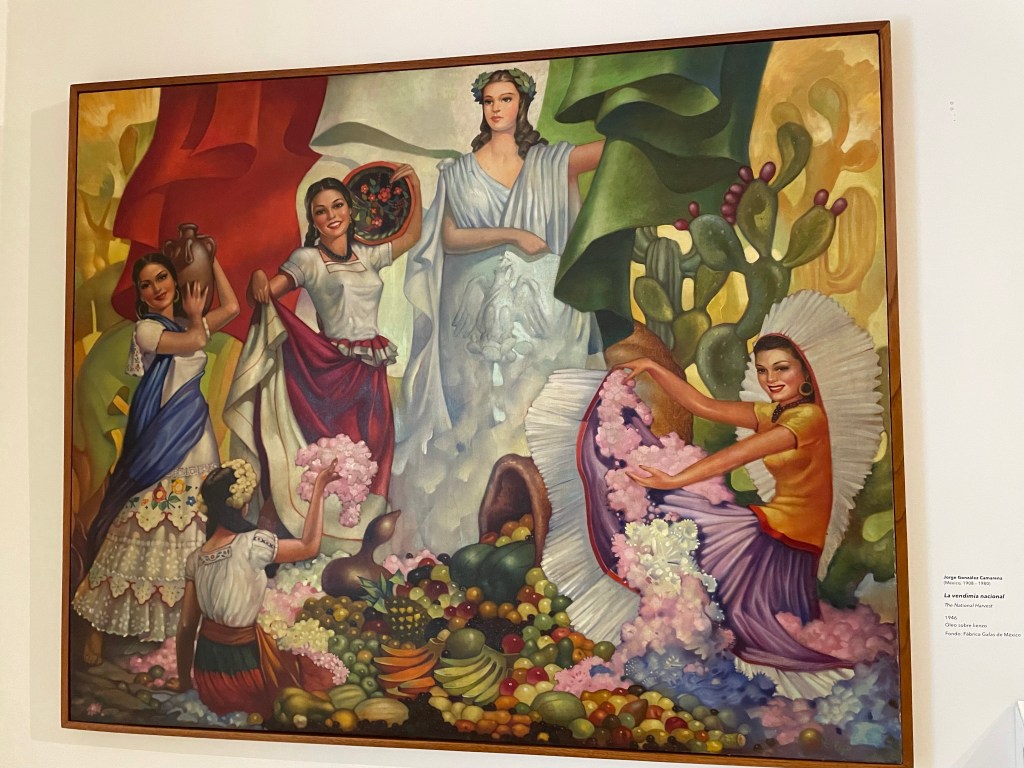
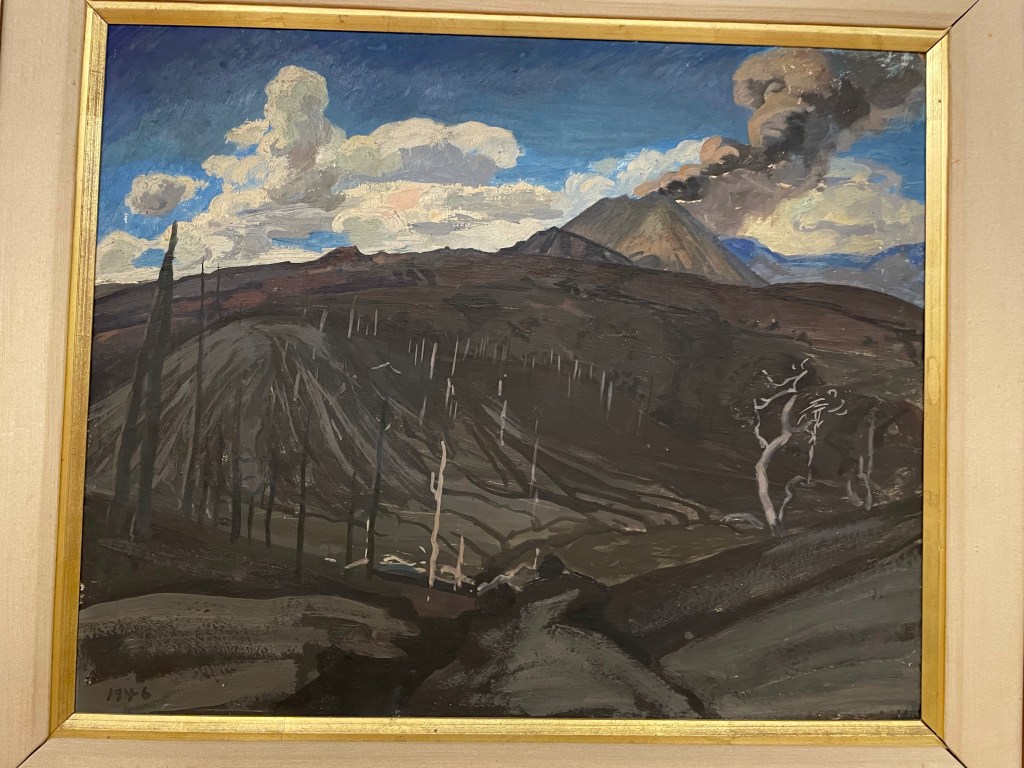
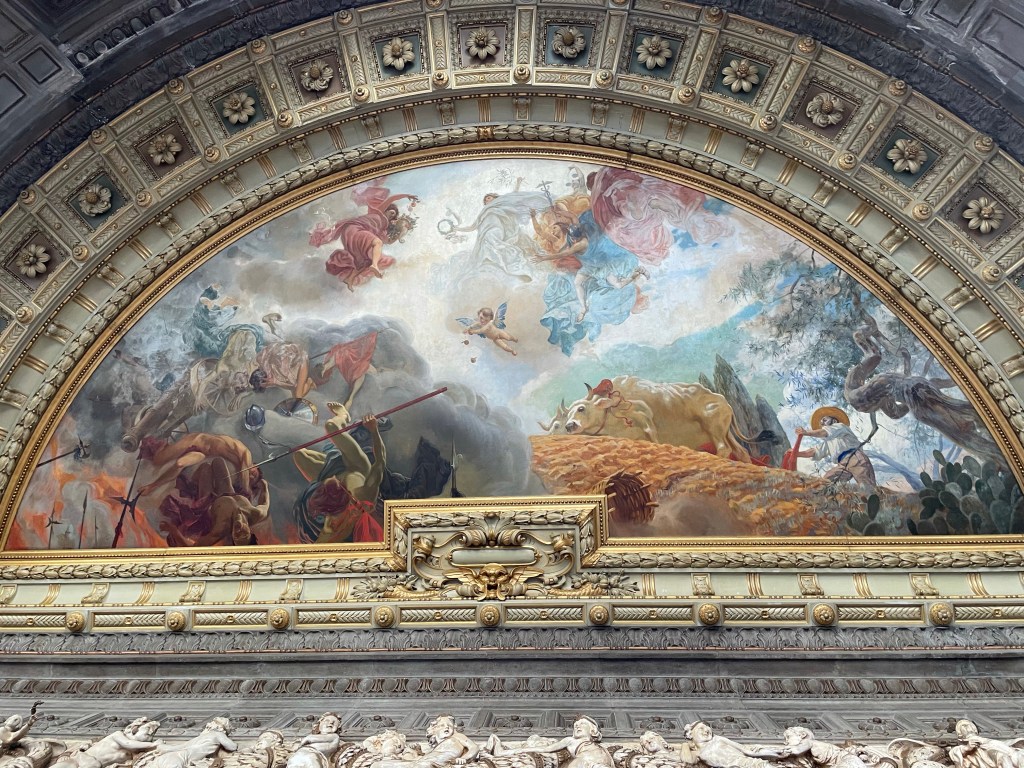
I then made my way to the National Museum of Arts, where I spent a couple hours. It was an incredible museum, and the Mexican artistic tradition might be the most interesting of any country, for reasons connected to larger trends in the nation’s history. I’ll try to explain. The biggest difference between the US and Mexico is that the process of colonization in Mexico was never completed. Europeans came and conquered, but not completely. Most Mexicans have both Spanish and Indigenous heritage (side note, but this is why Hispanic/Latino isn’t considered a race on questionnaires) and following the independence of the country (and again after the Mexican Revolution), there was an effort to reinvigorate the national culture with indigenous practices. This isn’t the case in the United States, where European colonizers pretty much exterminated anyone who was living there before they arrived. What few Native Americans are left have mostly been rounded up onto reservations where they don’t have to be seen or heard. The result is a radical difference in the way we understand our past. Americans can embrace the unbounded optimism of the frontier spirit, which conquers and remakes in its own image, because we don’t have to hear about the consequences. History is written by the winners, and as long as we keep winning, we never have to feel bad about anything. On the other hand, Mexican colonialism has been preserved in a state of permanently arrested development. The colonizers were expelled, but not before they indelibly altered the country with their language, religion, and institutions. As a result, it has been necessary to find ways to reconcile the country’s developments with its founding atrocities. In Mexico, the dead are still speaking.
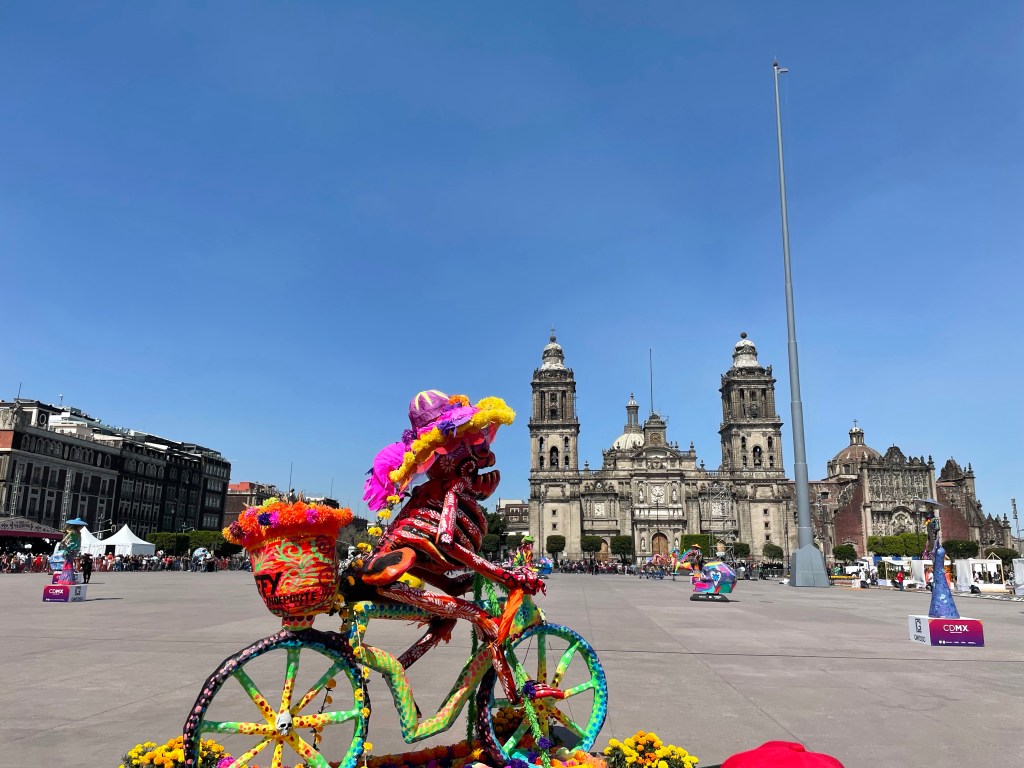

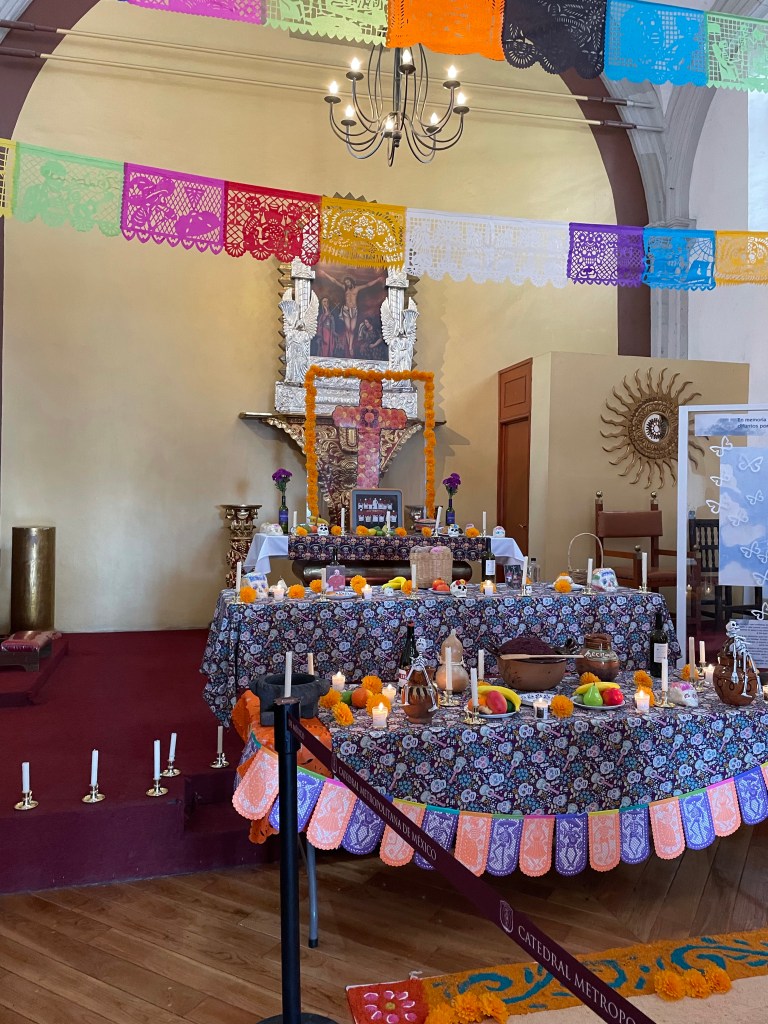
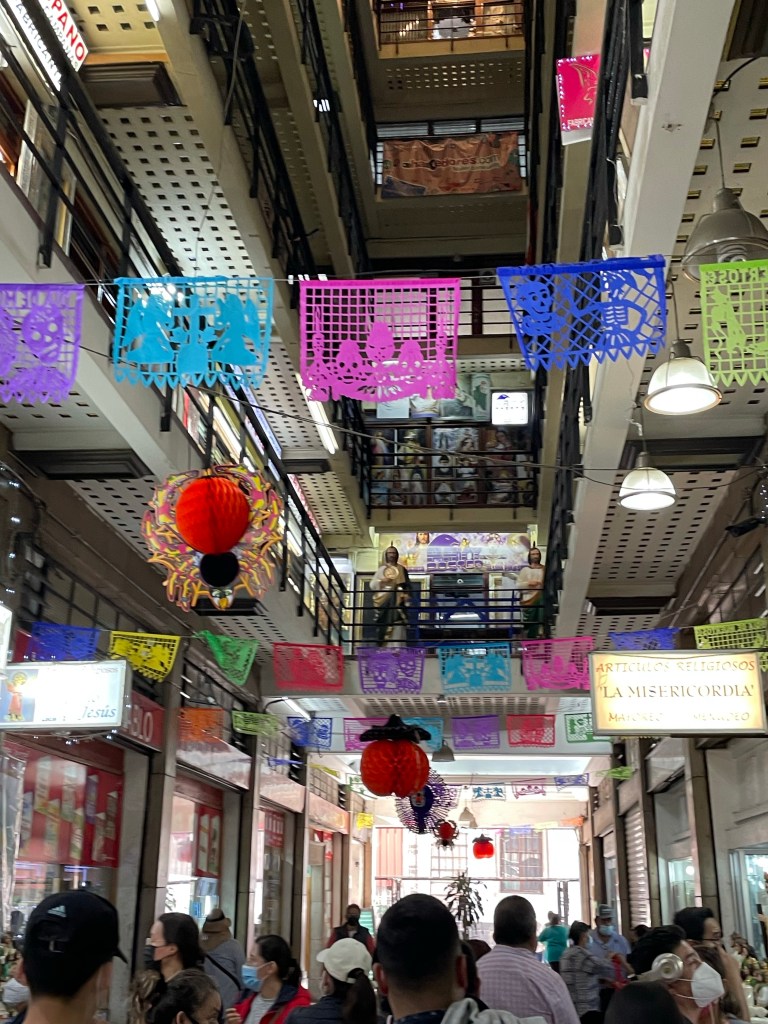
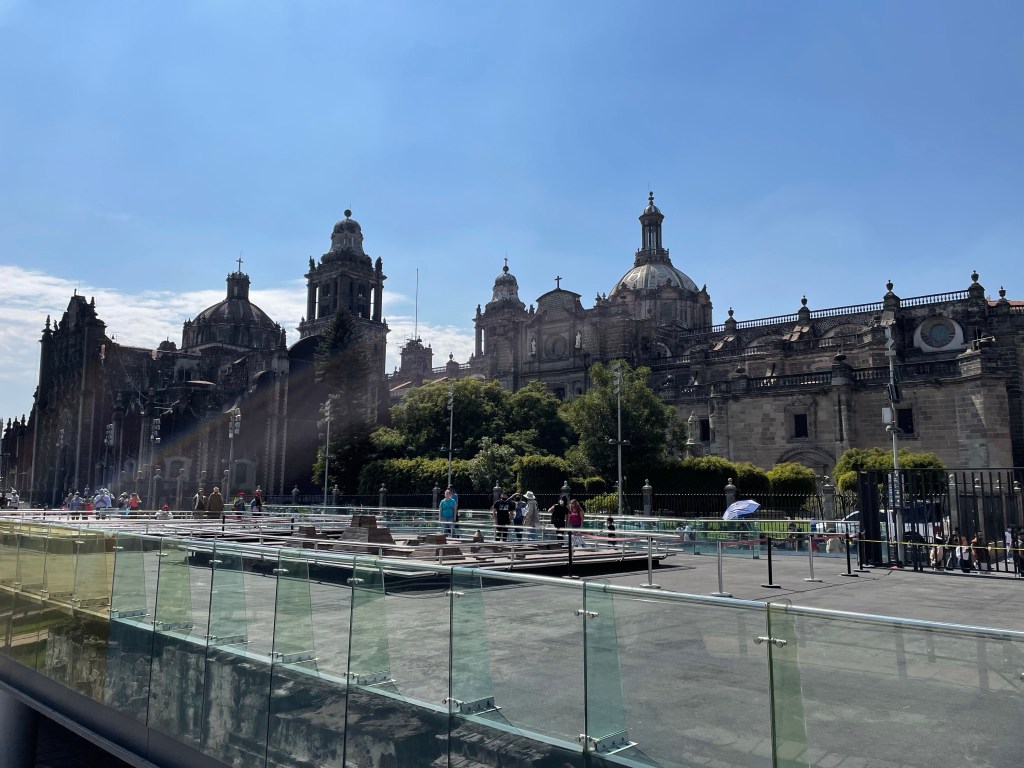

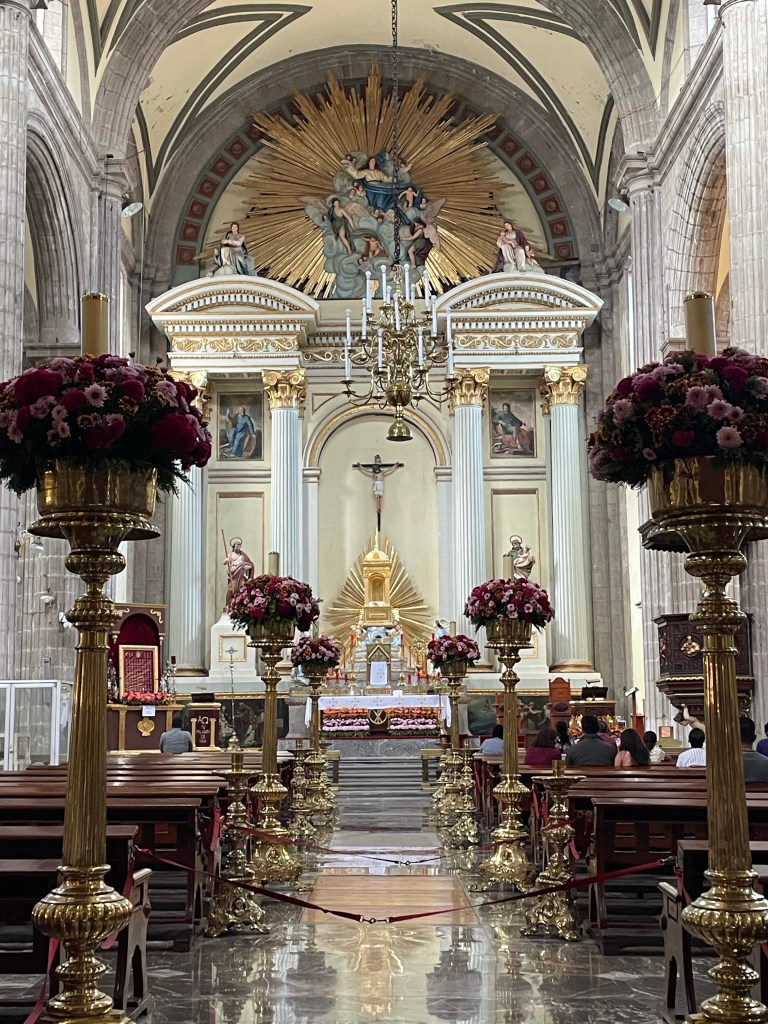

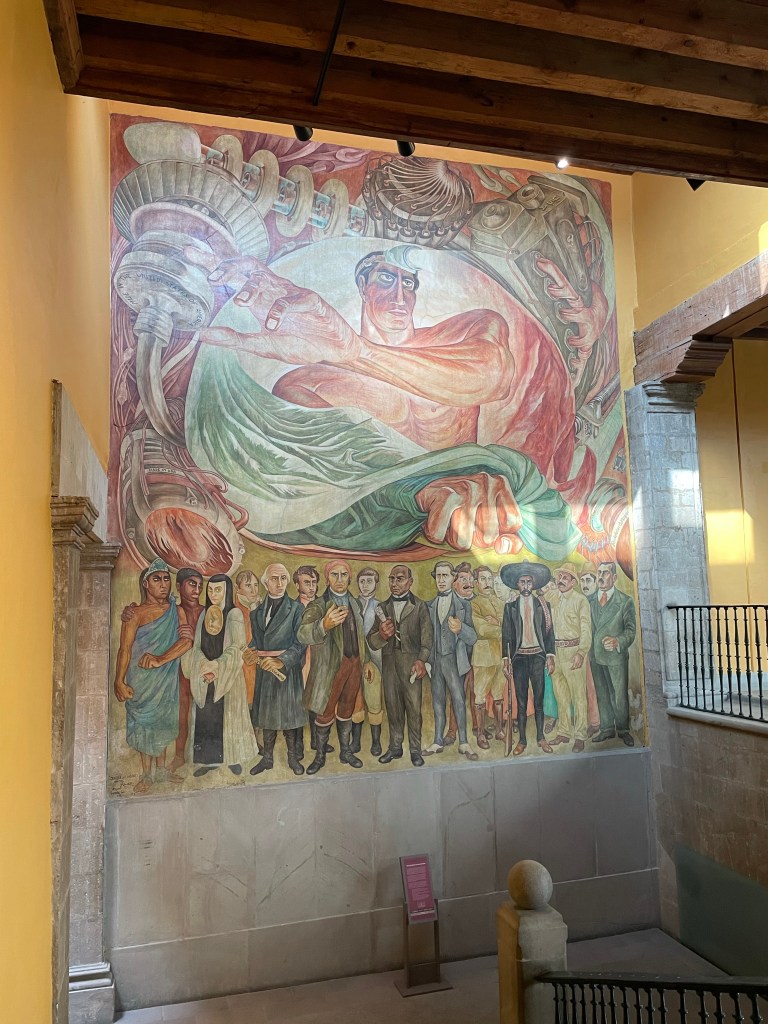

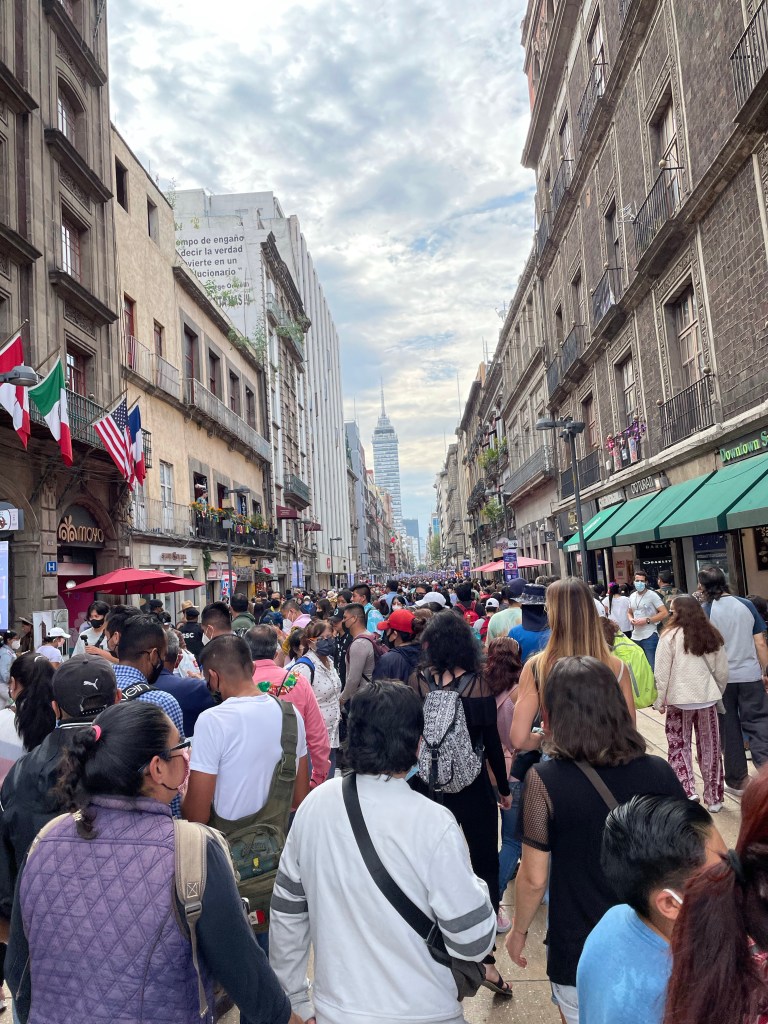
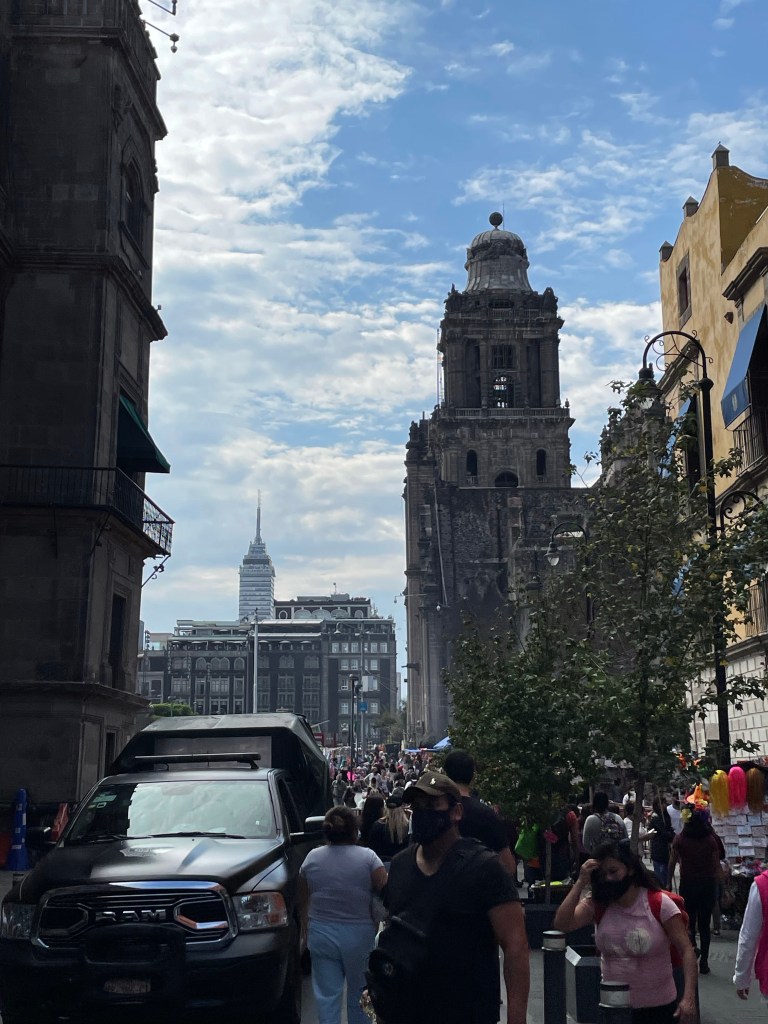
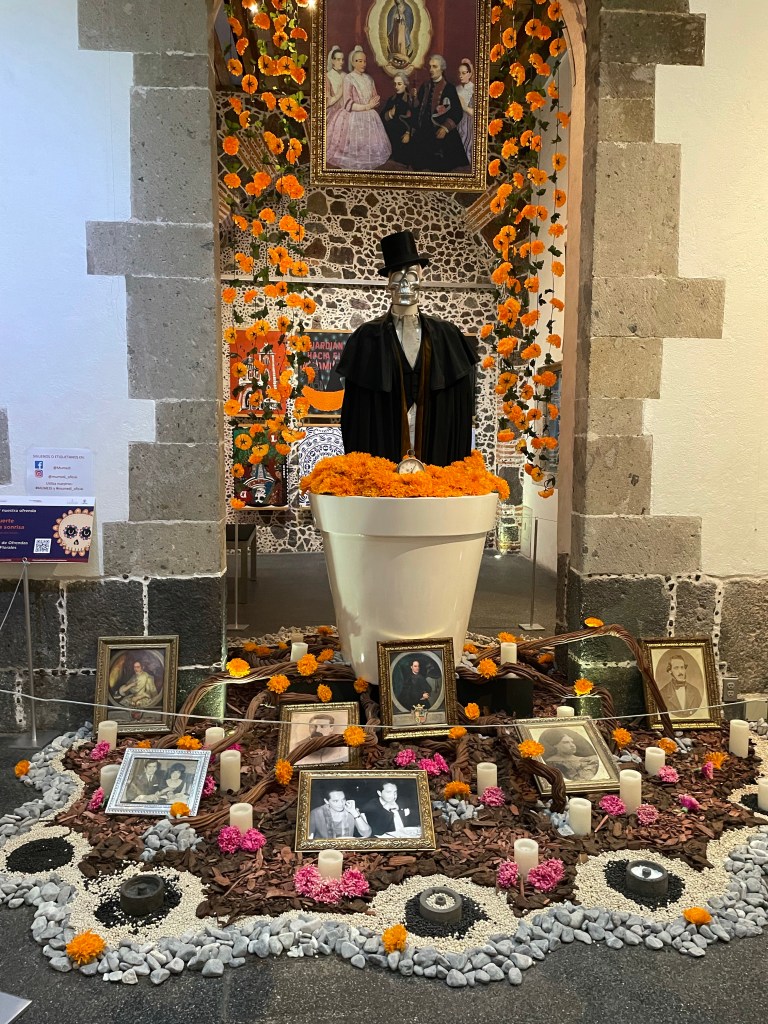
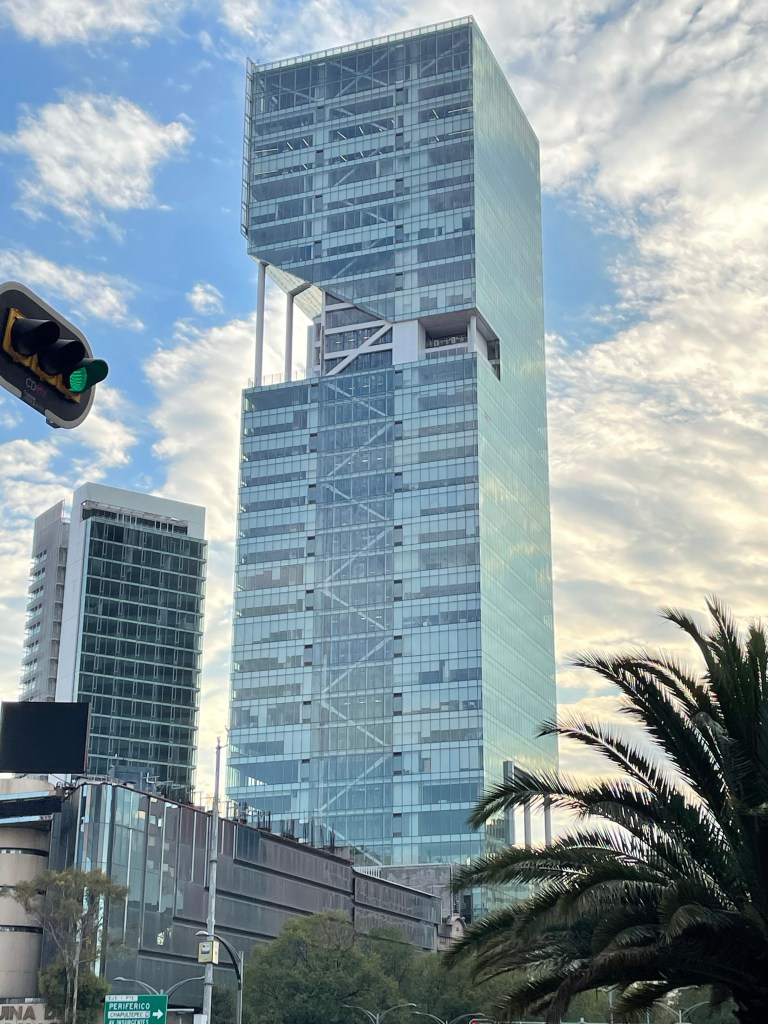
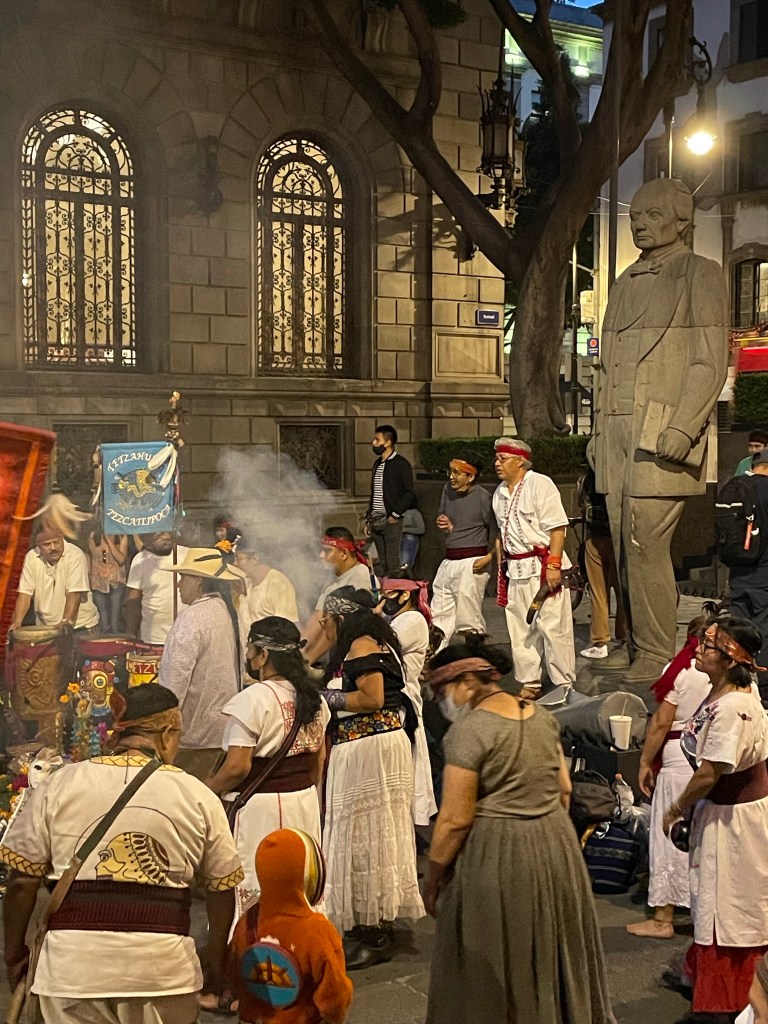
A somewhat frustrating day. I woke up at 7:30 (hungover), packed a bag, and left for the airport, where I waited in line for fifteen minutes before realizing you don’t need to go through baggage check if you don’t intend to check baggage. Upon boarding the plane, I found myself in the unfortunate position of occupying the middle seat between two rather large men. I slept through the flight, but it wasn’t a refreshing sleep, it was the kind where you wake up every five minutes because your head is falling.
Mexico City is busy in every sense of the word. Everything is brightly colored (this is true in Chiapas as well [one of my favorite things about Mexican culture is that it’s pretty normal for people to paint the whole exterior of their house purple] but it has a different effect in such a large city) and filled with a sea of people. The only other place where I’ve felt this crowded was in New York. There are shops everywhere. People have tents on the side of the street. They have stands on the boulevards. Every other sidewalk square has a blanket with a bunch of trinkets laid out for you to buy. There is constant activity in every direction, with no regard for where the road stops or starts. As a result, Mexico City has the worst traffic I’ve ever experienced. My five-mile taxi ride from the airport to the historic center of the town took forty-five minutes. If I didn’t have my bag with me, it might have been faster to run.
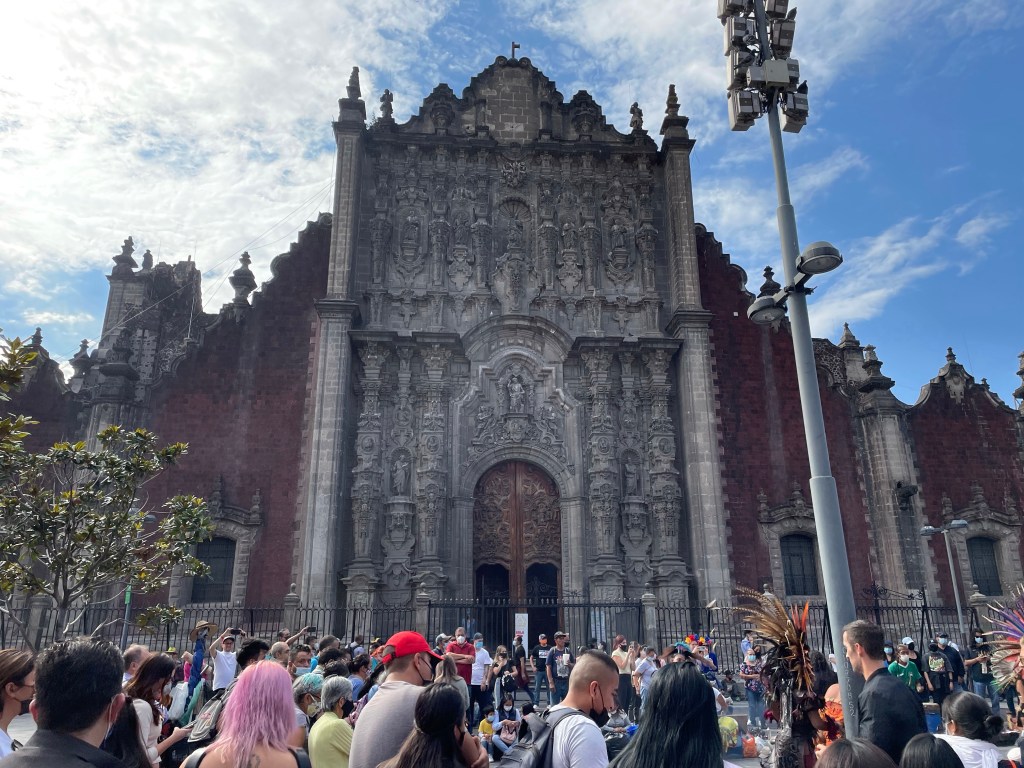
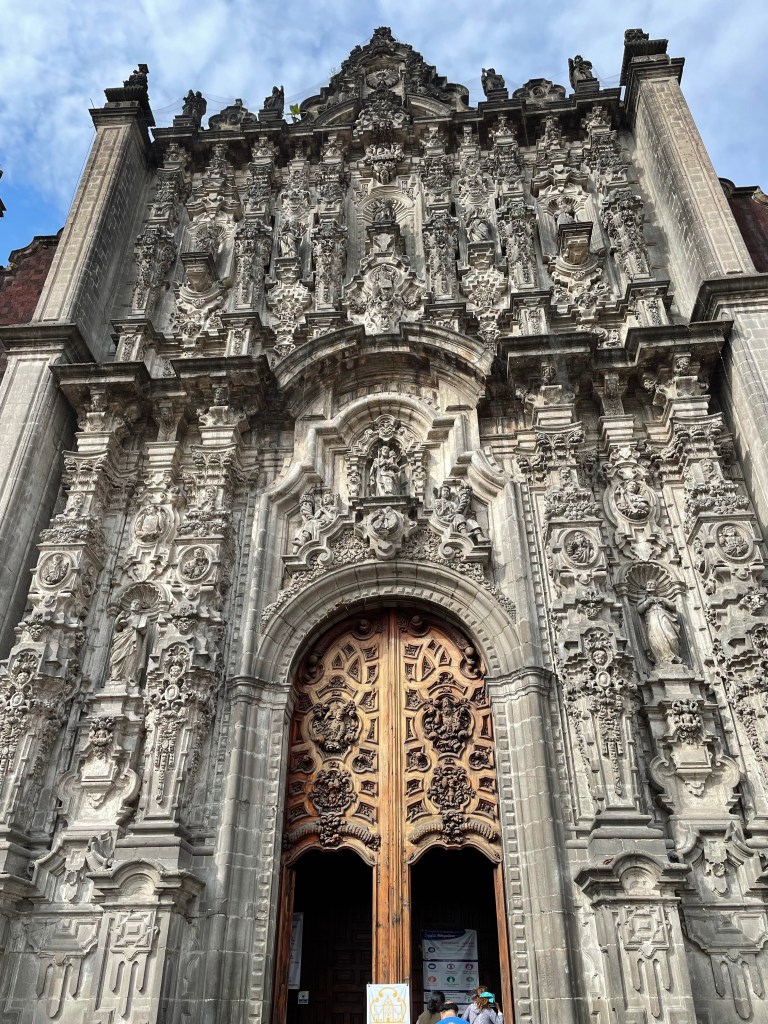
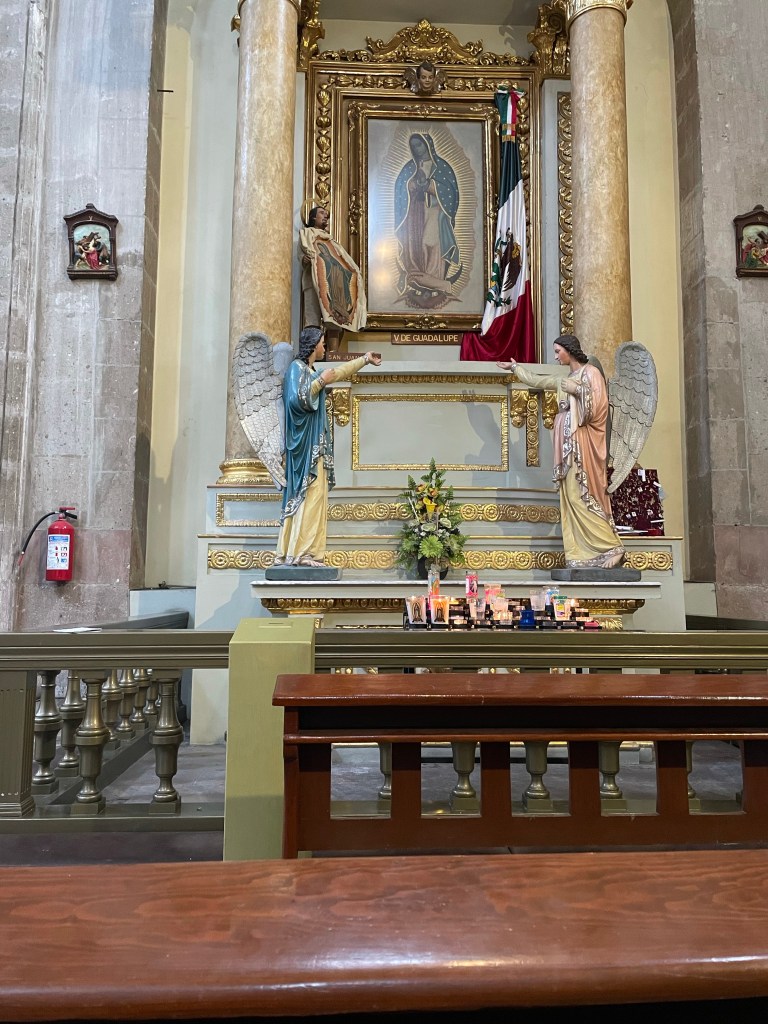
My first stop, the National Palace ended up being closed to the public, but while in the area, I was able to visit the National Cathedral, which was pretty interesting. Outside the Cathedral, people in Aztec costumes are dance and burn incense. Inside the Cathedral (like literally right next to the pews, on either side) are those souvenir penny press machines you see at the zoo. I took a quick wait through the National Museum of Culture, but it was a collection of items from foreign cultures, not Mexican culture, so I didn’t stick around too long. I can look at Chinese stuff when I go to China. After a walkthrough of a special exhibition at small art museum, I walked a mile-and-a-half to my hotel, with my phone down to 2% battery, only to find out that my reservation had been cancelled and the room given to someone else because I had not checked in by 5:00pm (it was about 6:30 at this point). Apparently this information was on Expedia, but I hadn’t scrolled down to read it, and also it was in Spanish. Luckily, there was a Starbucks nearby where I could sit down, charge my phone, and look for a new hotel, and I was eventually able to find a place to stay, so I set off to walk another two miles in the opposite direction. Upon arrival, having had my plans changed, having walked around carrying my bag all day, and having not yet eaten dinner, I wasn’t in a great mood, but after settling in, I bought some quesadillas at a tent across the street, and chatting with the people at the stand made me feel much better.
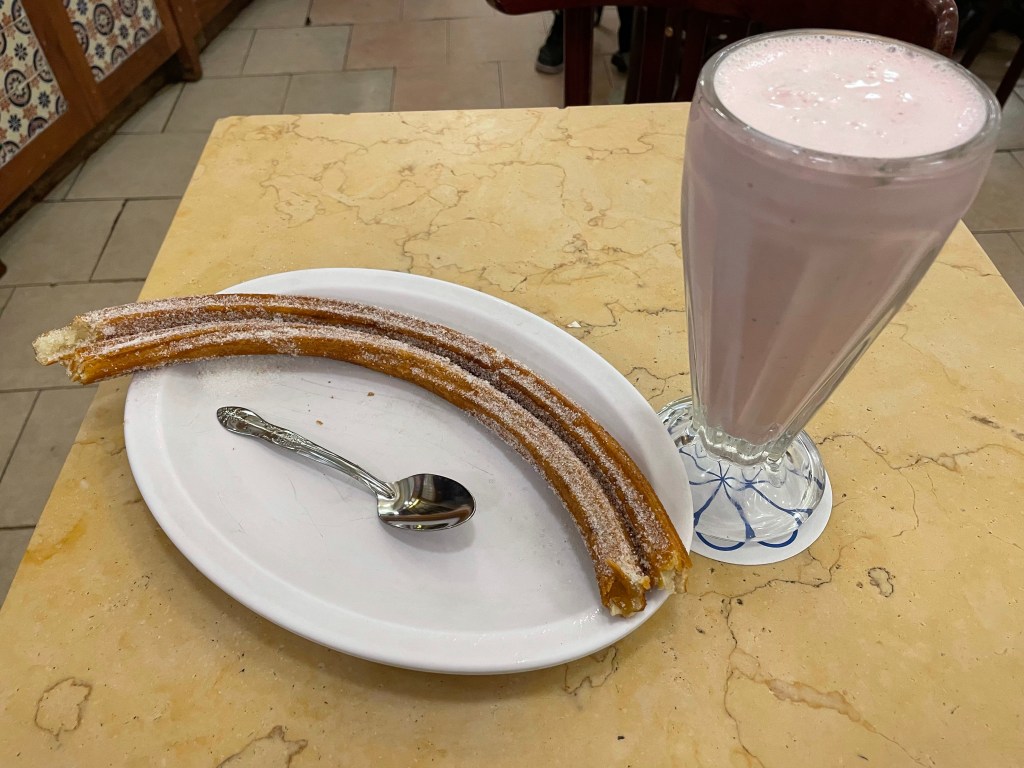
I still have some hotel stuff I need to figure out tomorrow (the hotel I’m at right now is more expensive than I would like, so I’ll only be staying here for one night) but after that I’ll be going to Frida Kahlo’s house, then to the big Dia de Muertos celebration in the Zócalo (the main square), and later to a famous churro restaurant.
There was a party for all the teachers (from the English school, and the other school that’s run by the same people) this evening. We arrived around 3:30, and Sherrill and Tayde left the restaurant around 5, but I stuck around and watched the comedian, and talked to an old Grandma for a couple hours and also the other teachers too and tbh I’m pretty drunk right now because the the teachers thought it was funny that I was confused about what was happening, so they kept ordering me more beers, and so I kept drinking, and now I’m going to bed because I have to travel tomorrow. Good night.

Today we had fun classes full of Halloween themed activities, and as soon as the classes were over, my brain turned off. I’ll be back tomorrow.
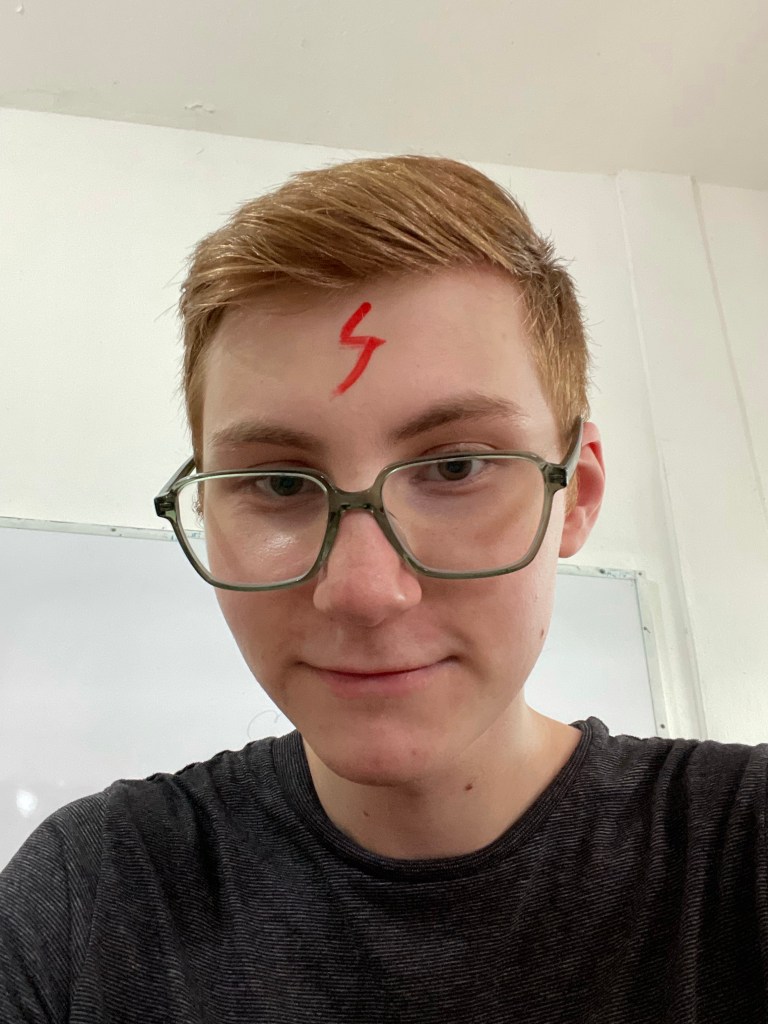
The first half of our semester is drawing to a close. Tomorrow’s class will be a Halloween celebration, and this weekend I will submit grades before leaving for Mexico City. I’ve now been in Mexico for three months and I have another two-and-a-half to go. This feels like a good time for reflection.
My Spanish has progressed nicely. In the mornings, after class, I can feel my brain twisting phrases, trying its best to render internal dialogue in an alternative and limited lexicon. Outside of the school, I use Spanish most frequently for monetary transactions, and as a result, now, when I am thinking automatically rather than intentionally, numbers often come to me in Spanish rather than English. I still dream in English, but there are Spanish phrases here and there; lately all of my dreams have been about preparing lessons.
The classes I teach have begun to feel limited by the constraints of Zoom. So far, we haven’t been doing many writing activities, because they’re hard to share via video chat. Over the weekend, I want to start experimenting with another program where I can share documents with individual students. With a faster way to send documents back and forth, we can add another dimension to our studies.
Daily routines have solidified. I wake at 8:20, go to Spanish class at 9, return at 10 (10:30 if I get breakfast at the market), work on some lessons, nap from 12 to 2:40, eat lunch, teach from 4-7, eat dinner, lay around for a while, meditate around 8:30, plan more lessons until 11, blog, read until 1, sleep. This is a functional routine, but it’s getting a bit boring. There’s a school of traditional arts in the town center and their classes are open to the public; I’m going to drop by there tomorrow and ask about their schedule. I’ve been feeling an itch to do more art lately, and attending classes would provide extra Spanish practice too. It sounds like there may also be another class of adult beginners that I can start teaching for a bit of extra cash. All of this means I need to get more efficient at prepping lessons, which also probably means I need to stop laying around so much on the weekends.
I still haven’t made any friends here. I have good relationships with my students and fellow teachers, but I don’t hang out with them outside of the designated class times. Between my classes and phone calls, I don’t feel lonely, nonetheless, maybe I can make some new friends at the arts school.
Since arriving I have finished eight books. I’d like to finish eight more before leaving. Can’t trust an English teacher who doesn’t read.
Finally, WordPress says I’ve posted everyday for the last 85 days. This is definitely the most consistently I’ve ever written, and it feels good to build a habit. Writing at the end of the night has been a valuable way to reflect, and sticking to a daily schedule has helped me maintain discipline about my practice. That said, I feel kinda limited writing daily blogs. The quality of every post is limited by the fact that I write it out, read it over, and publish it all in one sitting. I’d like to work on longer form writing, where I can express bigger ideas with greater clarity and nuance, but I don’t know if I can do that while also blogging daily. That said, I also worry that if I stop forcing myself to write every single day, I’ll find an excuse not to write at all. All of this matters to me because, in addition to being primary creative outlet right now, writing is also a skill I’d like to develop professionally. I’d love it if I could get paid to just write. That’s the dream. And so right now, I need to be improving my craft.
I don’t have all the answers yet, but I may start playing around. Anticipate changes.
 AdamFendos.blog