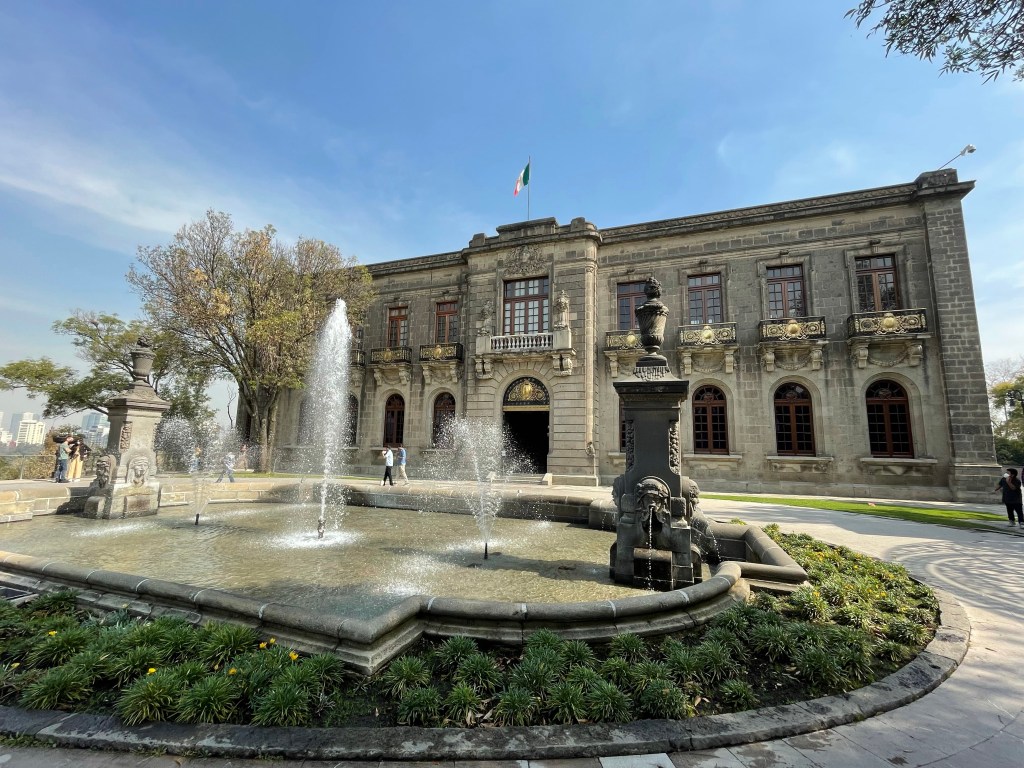
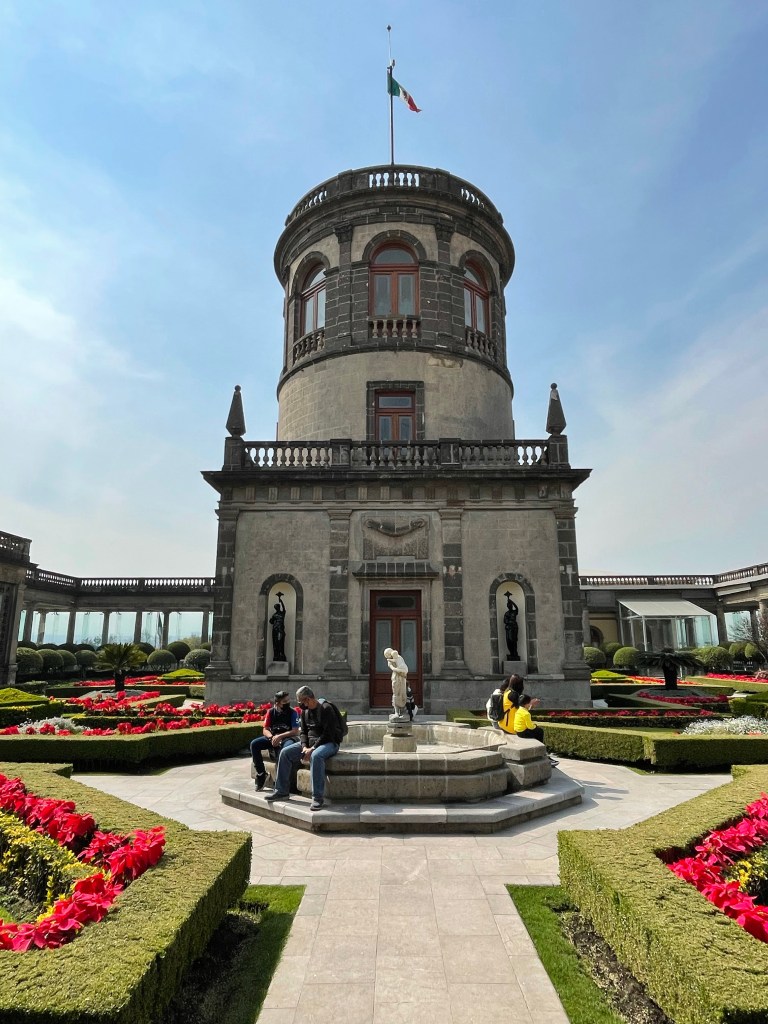
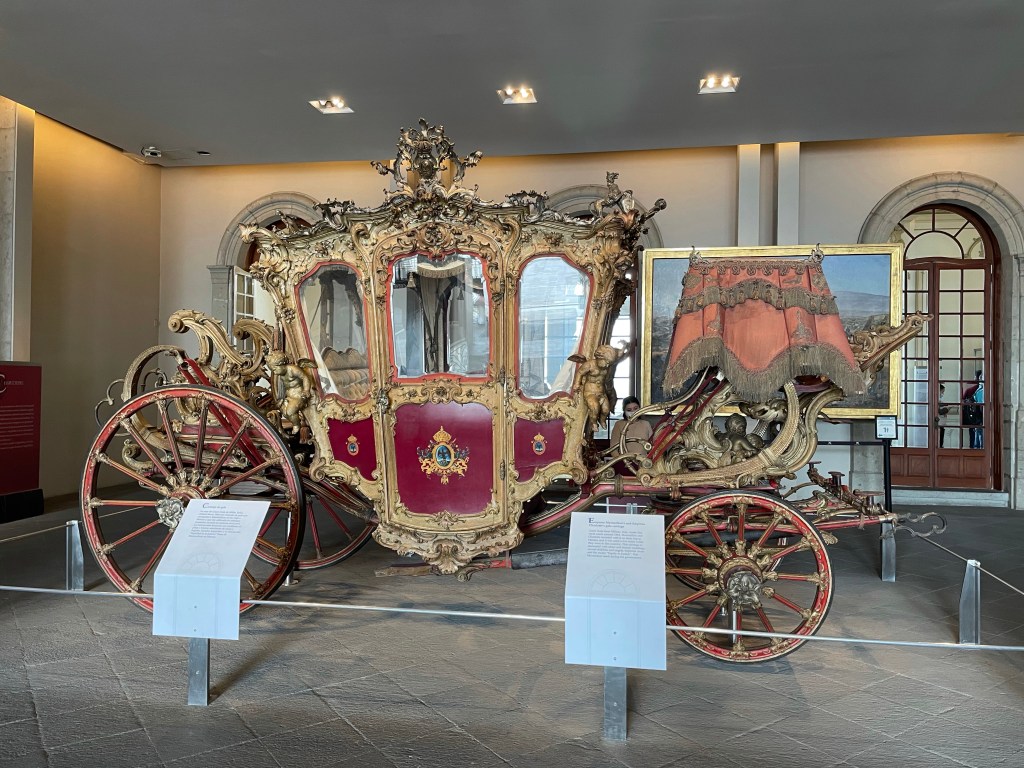
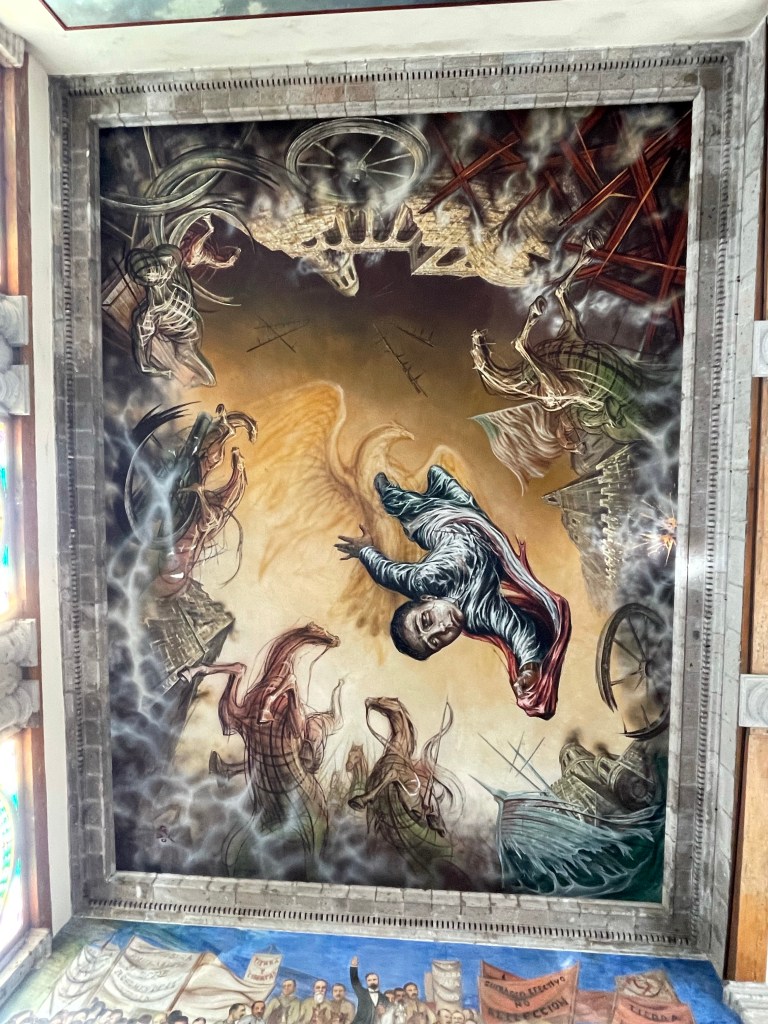
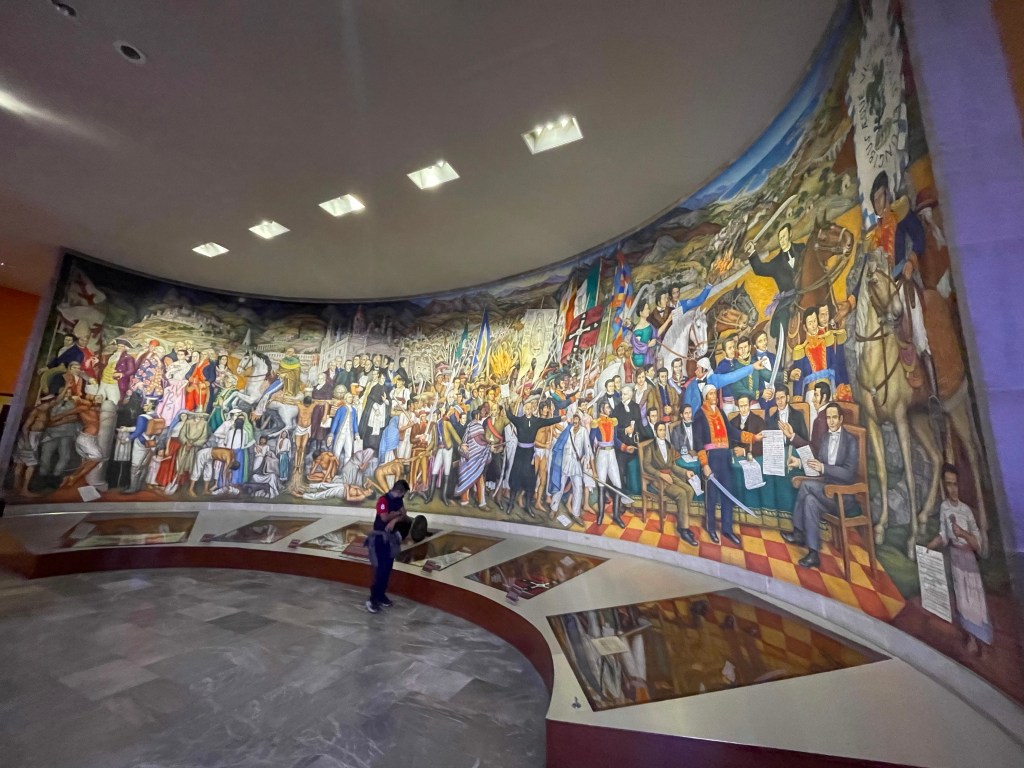
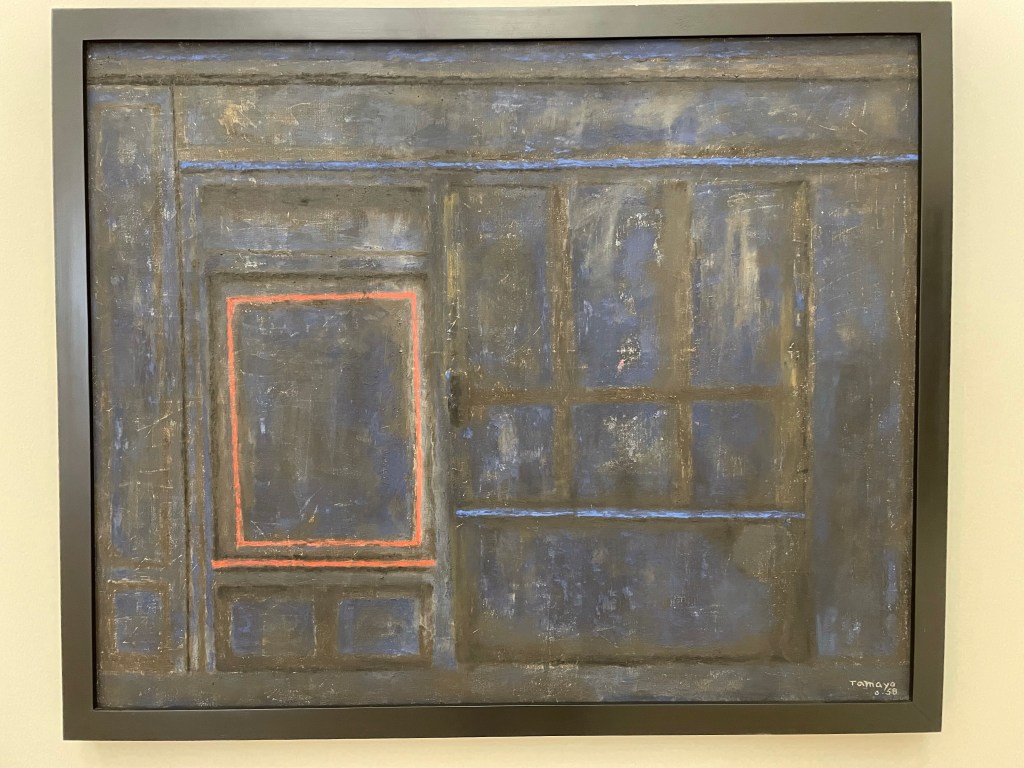
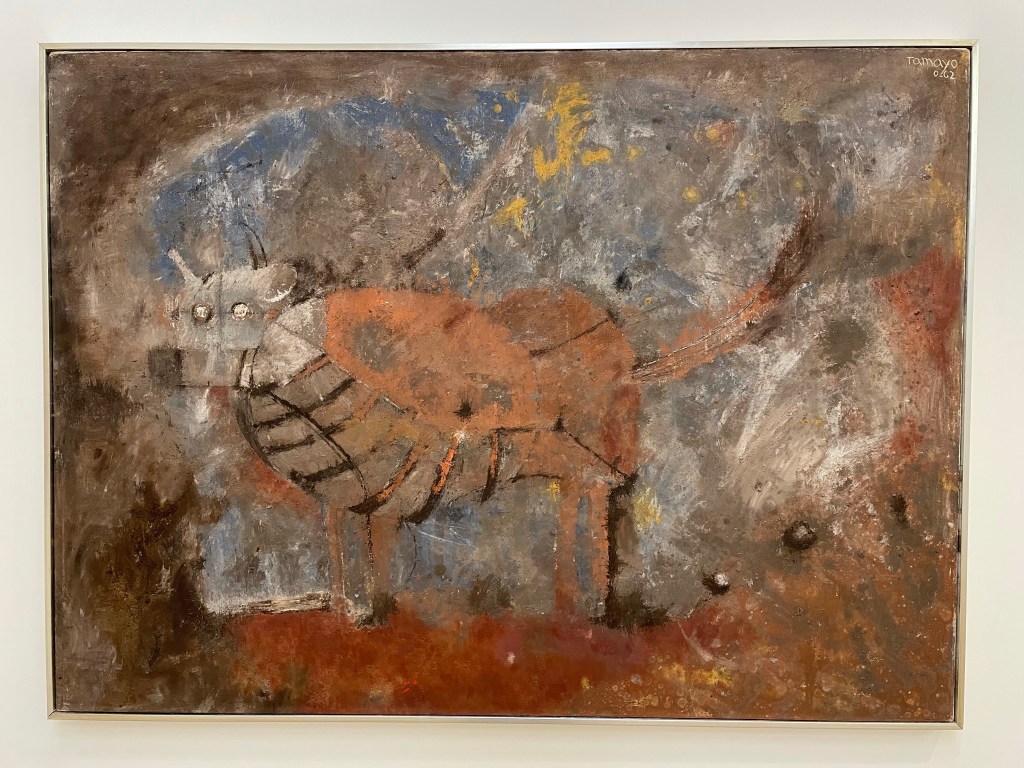
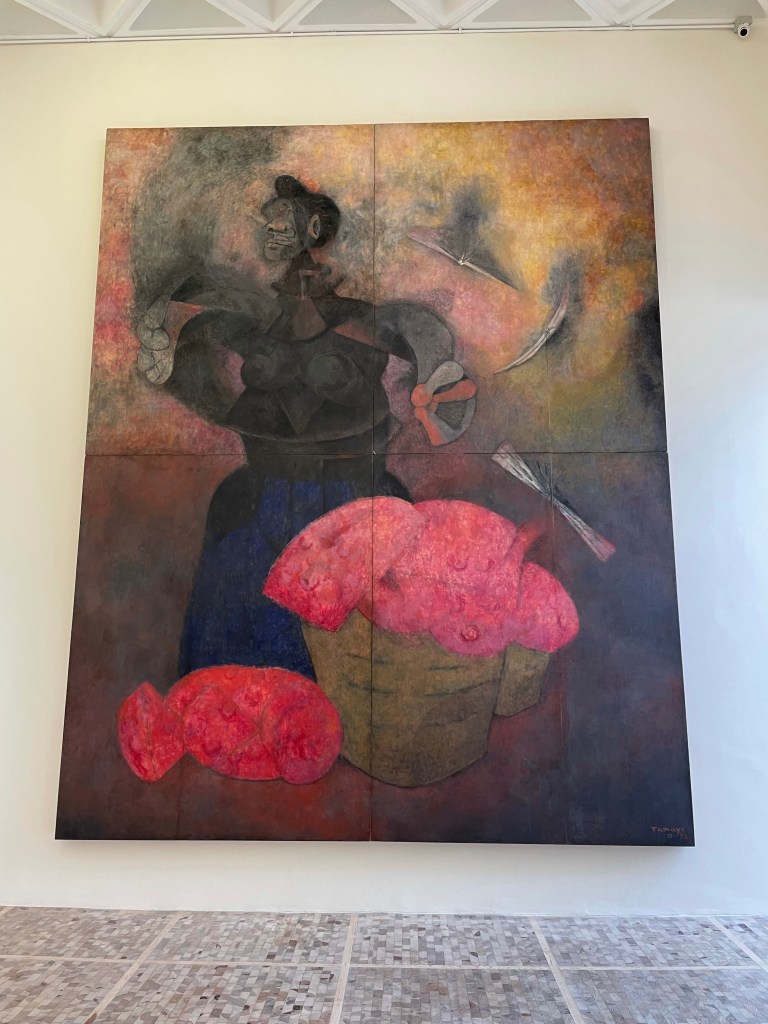
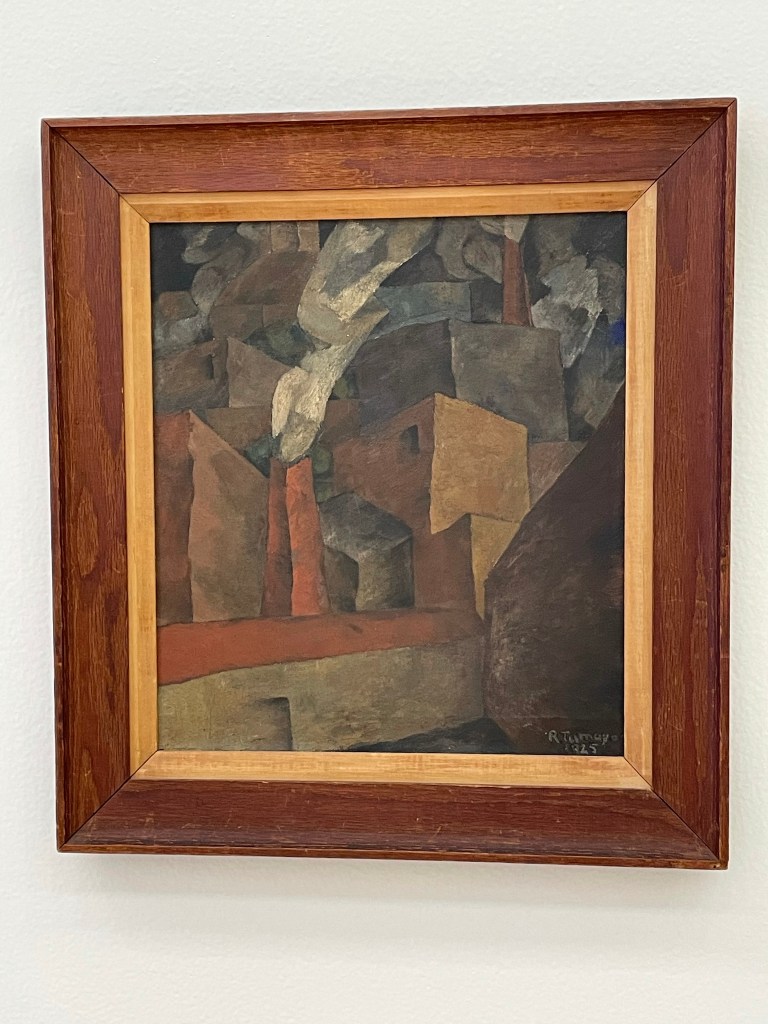
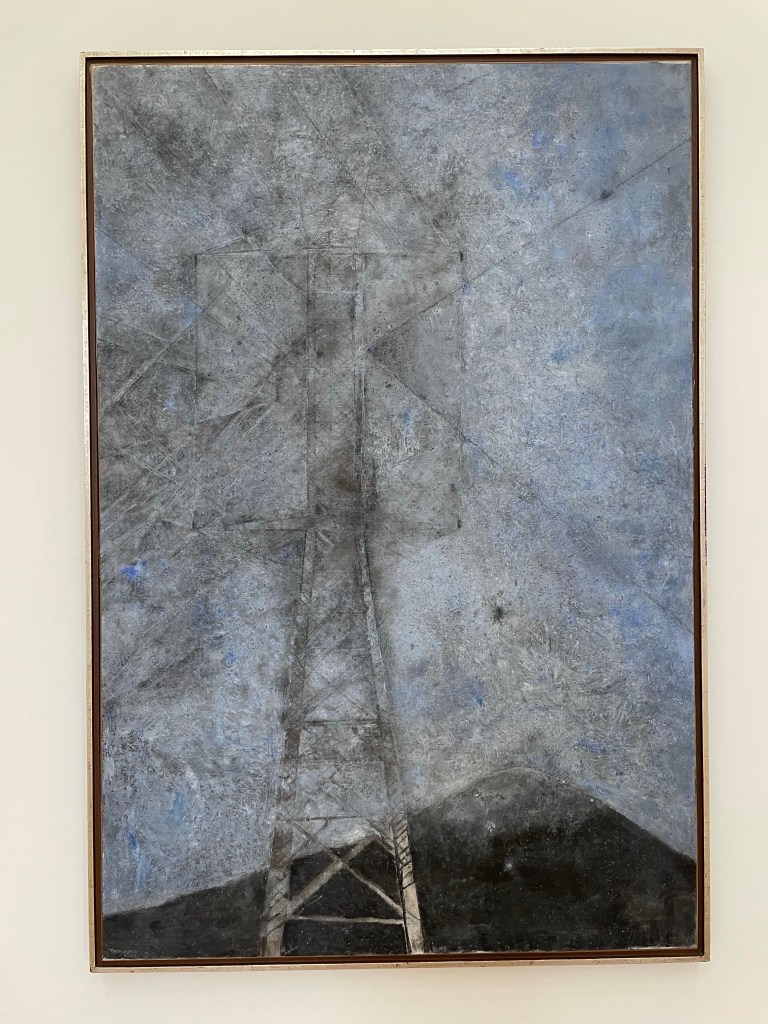
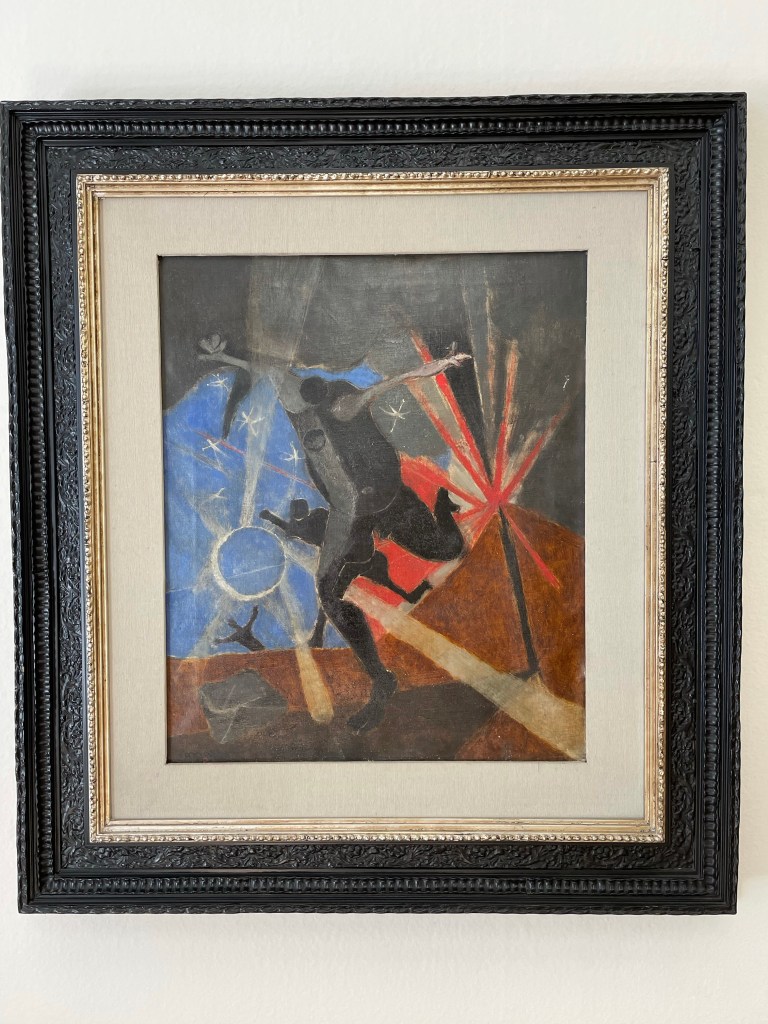
Today I visited Chapultepec Castle, the largest European-style castle in the Americas. It was built by the Spanish and currently functions as a history museum. During the days of the First Mexican Republic, Chapultepec Castle served as a military academy. This monument honors the young cadets (popularly known as the Niños Heroés) who were killed when US Marines took the castle during the Mexican/American War (known as the North American Invasion here in Mexico). During the 1860’s, Mexico came under semi-occupation by France, who decided that Mexico really needed was a monarch, so they imported the first available Hapsburg, Maximilian, to become the new Emperor of Mexico (he didn’t even speak Spanish). Maximilian lived here for three years before he was beheaded.The castle was also home to the controversial president/dictator Porfirio Diaz, who ruled for nearly thirty years, bringing stability and wealth to the country’s institutions, at the cost of increased inequality and corruption, eventually leading to his overthrow during the Mexican Revolution. Francisco Madero, the leader of the Revolution, is pictured here (he’s the one on the horse). [As a side note, most Americans, if they know anything about the Mexican Revolution, have heard about Pancho Villa, who was wanted for many years by the US Government. This, and his role as the villain in a number of cowboy movies has given the impression that he was a bad guy, but in fact, the US Government was probably on the wrong side of this conflict, and Villa is often considered among Mexico’s great heroes for leading a peasant army against the landlords who had kept them in highly-exploitative conditions. In 1939, President Cárdenas declared the the castle would henceforth be used as a national history museum. A cool ceiling muralA famous mural of the Mexican independence movement. The guy in the middle with the black robes is Miguel Hidalgo. The guy on the right with the sword and the du-rag is Jose Morelos. Idk who anyone else is. In the afternoon, I visited the museum of the famous painter Rufino Tamayo. Tamayo actually spent most of his formative art years in New York and Paris but his style has a distinct Mexican influence. The camera doesn’t quite capture it, but his colors have a deep texture, into which one can stare endlessly. Tamayo’s technique reminds of Mark Rothko, but unlike Rothko, Tamayo’s works usually contains recognizable figures, often in symbolically loaded ways. This is his self-portrait.












 AdamFendos.blog