A humid, 95 degree day. Really takes the energy out of you. I taught, took my clothes to the laundromat, and did some work for my online class about data analytics.
The Word for World is Forest by Ursula K. Le Guin is roughly a hundred and eighty pages (with big text), and reading it felt like a breeze compared to Gravity’s Rainbow, the last work of fiction that I finished. TWFWIF is science-fiction novel about the conflict between the natives of the planet Athshe and a group of technologically-advanced human colonists (think James Cameron’s Avatar, but with small, green aliens instead of big, blue aliens). The plot is pretty standard fare; it’s one of many anti-colonial sci-fi stories created in the aftermath of the Vietnam War. It seems Americans could only sympathize with the plight of the Vietnamese if we imagined them as literal aliens.
Where TWFWIF shines is its prose. Le Guin presents us with a number of perspectives, each written in a simple style that prizes emotional clarity. The highlight of the book is its villain, a delightfully- hateable human general with a vitriolic contempt for the passivity of the Athsheans and the perceived weakness of any humans willing to compromise with them. The chapters from his perspective are viscerally upsetting in a manner which is very fun to read.
On the other hand, I didn’t care much for the aliens. Le Guin’s depiction of the Athsheans was utopian in a way that came across as paternalistic. The trope of the spiritually-enlightened, perfectly-innocent natives is an oversimplification that avoids all the difficult questions about colonialism.
In sum, The Word for World is Forest was a fun and fast-paced read, but the subject matter feels pretty well-trodden and I don’t think Le Guin had much new to say. Perhaps a longer version of this same story would have been better. 6/10
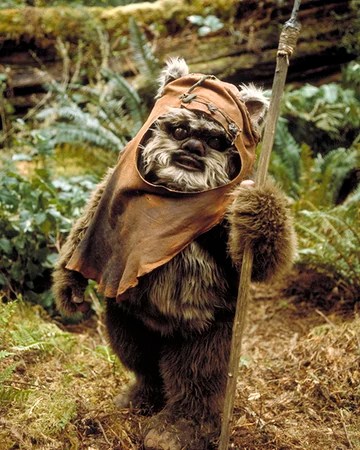
Pictured: Ho Chi Minh, I guess

 AdamFendos.blog